

Importing a classic car from Europe to the USA
Europe kept the cars America never got — and once they turn 25, the door opens. The federal rules, the 2026 tariff picture, shipping from Rotterdam and titling in your state, from a Dutch dealer that exports to the US.
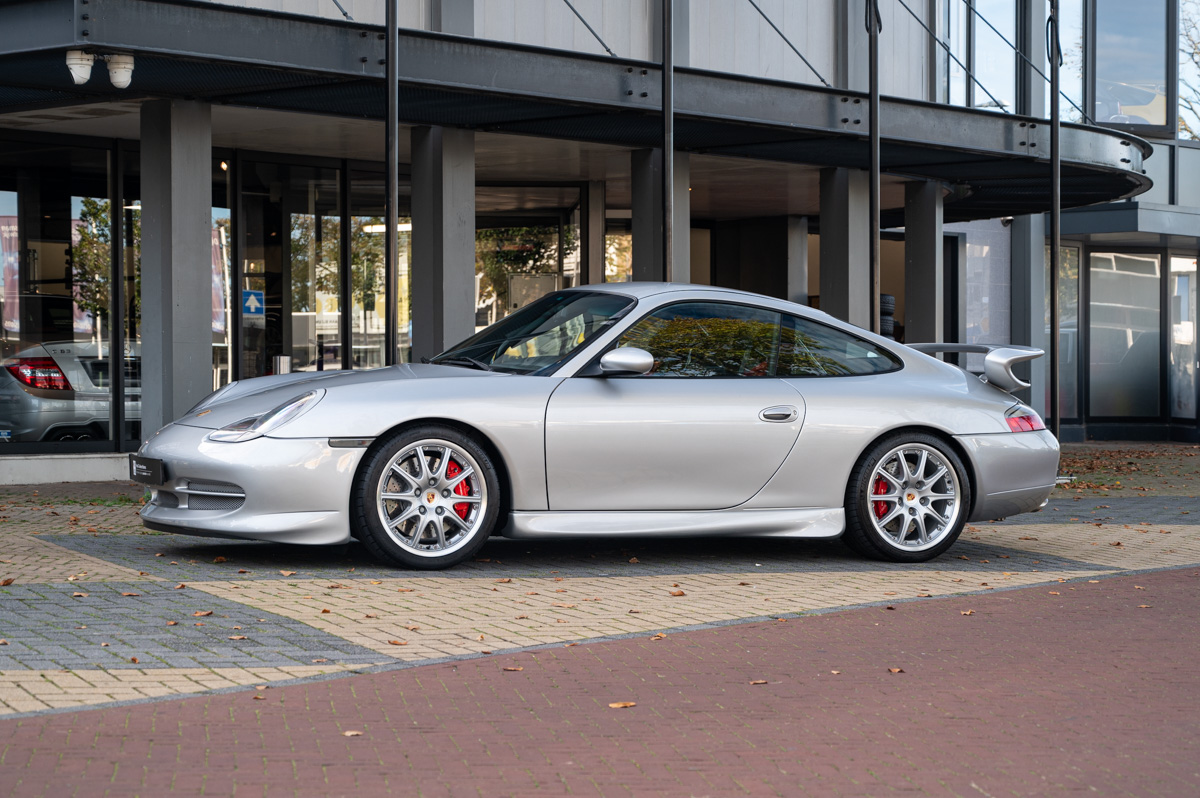
In the showroomPorsche 911 (996) · 2000→Updated November 2026 · verified against NHTSA, EPA and CBP guidance
Any car built 25 or more years ago — counted from its date of manufacture, not its model year — may be imported into the United States without meeting federal safety standards. Cars over 21 years old in original engine configuration are also EPA-exempt, and in 2026 qualifying classics avoid the 25% Section 232 tariff, paying standard import duty instead.
Typical all-in from a dealer like HooG Selections in Katwijk, near the port of Rotterdam: the purchase price + 2.5% duty + ocean freight in the low-to-mid four figures (USD), no Dutch VAT — allow roughly one to two months door to door.
107 cars in our showroom are US-eligible today →
What the 25-year rule is
Imported vehicles normally have to comply with the Federal Motor Vehicle Safety Standards (FMVSS) — which most European-market cars never did. The exception is age: NHTSA confirms that a vehicle 25 or more years old can be lawfully imported without regard to FMVSS compliance, and that the 25-year period runs from the date of the vehicle's manufacture.
That detail matters. A car built in March 2001 becomes importable in March 2026 — not on January 1, and not when its model year turns 25. At entry, your customs broker files DOT form HS-7 and checks Box 1, which covers vehicles 25 or more years old.
The EPA's 21-year rule
Emissions are handled separately, with a lower threshold. On EPA form 3520-1, exemption code E covers a vehicle at least 21 years old that is in its original, unmodified configuration. A car with a replacement engine generally does not qualify unless the engine is the same model as the original.
Because 21 is less than 25, any car that clears the NHTSA rule normally clears the EPA rule as well — provided the drivetrain is original. One more reason documented, unmodified cars are worth paying for.
Taxes and duties in 2026
This changes most often, so treat the figures below as a snapshot (November 2026) and confirm current rates with CBP or a licensed customs broker before you buy.
- Base duty: passenger cars enter at 2.5% of the purchase price (pickups and light trucks: 25%, regardless of age).
- Section 232 (the "25% auto tariff"): vehicles manufactured at least 25 years before the year of entry are exempt, entering at a zero additional rate. A 24-year-old car pays the full tariff; a 25-year-old car does not.
- Since July 24, 2026: a temporary 10% surcharge lapsed, but new EU-focused measures took effect the same day and broker guidance diverges on the all-in rate for EU-built classics. Budget conservatively at up to ±10% and ask your broker for the exact figure — the rate follows where the car was built, not where you bought it.
- Entry fees: Merchandise Processing Fee (±0.35% of value, capped) and Harbor Maintenance Fee (0.125%).
There is no US federal VAT. And because the car leaves the EU, a Dutch dealer invoices the sale for export — you do not pay Dutch VAT on top.
Step by step: buying from a Dutch dealer
- Confirm eligibility
Build date (not model year) 25+ years before entry, original engine configuration.
- Inspect and verify history
Ask for a technical inspection report, maintenance records and mileage verification — or a live video walkaround.
- Agree the sale
With an export invoice; the dealer deregisters the car from the Dutch system and prepares the EU export documents.
- Book shipping, appoint a broker
Shipping from Rotterdam; your US customs broker files the Importer Security Filing before the vessel sails.
- Clear US customs
The broker files the CBP entry with HS-7 (Box 1) and EPA 3520-1 (code E) and pays duty on your behalf.
- Collect the car
At the port, or arrange inland transport — keeping the stamped forms for your DMV.
Shipping and insurance from Rotterdam
From Rotterdam — Europe's largest port, with weekly transatlantic sailings — you choose between a container (recommended for classics: a dedicated 20-foot container, or a shared slot to cut costs; the car travels enclosed and braced) and RoRo (driven aboard; usually cheaper, but exposed, the car must run, and nothing may be shipped inside).
East Coast ports (New York/New Jersey, Baltimore) mean a crossing of typically a few weeks port to port; West Coast delivery takes substantially longer. All-in ocean freight for a single car commonly lands in the low-to-mid four figures (USD), but rates move — get a current quote. More on how we handle this on our exporting & worldwide delivery page.
Registering the car in your state
Registration is state law, so requirements vary. Universally you'll need the CBP entry paperwork with the stamped HS-7 and EPA 3520-1, the bill of lading, the bill of sale, and the foreign registration documents.
Most states title a 25-year-old import without further inspection; some require a VIN verification, and California applies additional emissions rules to directly imported vehicles — check with your DMV before the car ships. A practical plus of buying in continental Europe: Dutch-market cars are left-hand drive, so there is no RHD adjustment, unlike Japanese imports.
Why the Netherlands is a smart hunting ground
Documented mileage: the Netherlands has recorded odometer readings nationally since 1991 (now run through the RDW vehicle authority), so Dutch-history cars come with verifiable kilometers. Garage culture: enthusiast cars are typically stored indoors and maintained to pass the annual APK inspection.
EU market access: Dutch dealers source across the entire EU, so the selection is continental, not local — and if the right car isn't in stock, a tailored search puts our network to work. Logistics: Rotterdam is on the doorstep and English is spoken practically everywhere, which keeps a remote purchase manageable.
What turns 25 in 2026–2027
The current sweet spot is the 1996–2002 generation of European youngtimers — modern enough to drive daily, now crossing the 25-year line month by month. European-spec versions America never got are exactly where import value lies — and because eligibility is measured by build month, a late-2001 car becomes importable months after an early-2001 car.
Now legal to import into the US
Live from our inventory: cars that have passed the 25-year line recently. Eligibility runs from the date of manufacture; where we only know the build year, confirm the month with us before you buy. Dollar figures use the ECB reference rate of Nov 6 and are indicative.
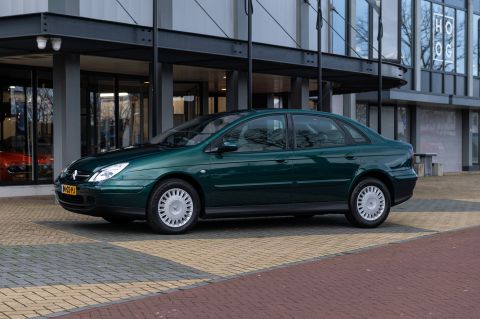 US-eligible
Citroën C5 3.0 V6 EXCLUSIVE
2001 · 139,127 km · 86,449 mi
€14,950≈ $16,700
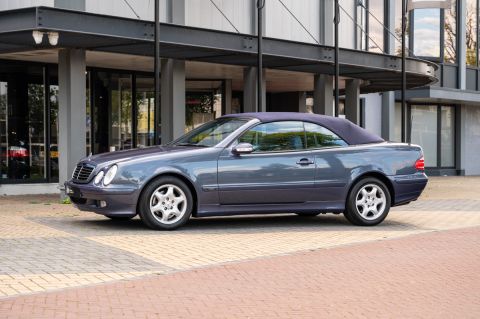 US-eligible
Mercedes-Benz CLK 320 Cabriolet Avantgarde
2000 · 56,960 km · 35,393 mi
€24,950≈ $27,900
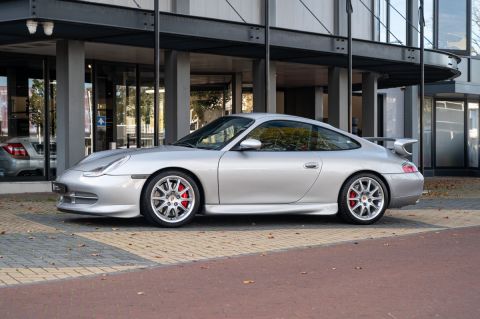 US-eligible
Porsche 911 (996) GT3 Clubsport
2000 · 74,621 km · 46,367 mi
€149,950≈ $167,400
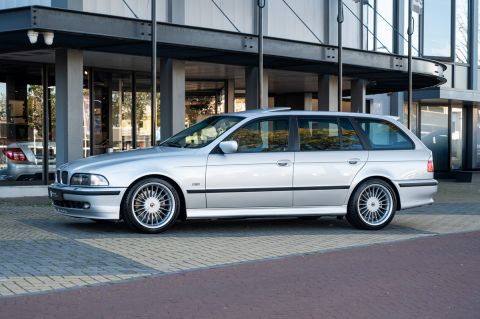 US-eligible
Alpina B10 3.3 Touring
2000 · 164,184 km · 102,019 mi
€29,950≈ $33,400
 US-eligible
Opel Vectra 2.5 V6 i500
1999 · 121,890 km · 75,739 mi
€24,950≈ $27,900
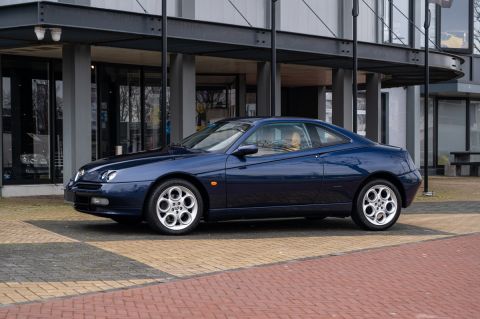 US-eligible
Alfa Romeo GTV 1.8 T.Spark 16V
1999 · 10,552 km · 6,557 mi
€27,950≈ $31,200
Turns 25 in 2027: Volkswagen Beetle · Porsche 911 (996) · Mitsubishi Pajero
Never sold new in the US 2026 · built 2001BMW E39 M5
European specification 2026 · built 2001Mercedes R129 SL
The final cars 2026 · built 2001Audi RS4 (B5) Avant
Forbidden fast wagon 2026 · built 2001Renault Clio V6
Mid-engined oddity 2027 · built 2002W210 E55 AMG, 996.2 & more
The next wave
Frequently asked questions
Is the 25-year rule based on model year?
No — NHTSA counts 25 years from the date of manufacture. A car built in June 2001 becomes eligible in June 2026, whatever its model year says.
Do I pay the 25% auto tariff on a classic?
No. Vehicles manufactured at least 25 years before the year of entry are exempt from the Section 232 tariff. As of late 2026, budget roughly 2.5–10% all-in depending on country of manufacture, and confirm with your broker.
What does shipping cost, and how long does it take?
Container shipping from Rotterdam to a US East Coast port commonly lands in the low-to-mid four figures (USD) all-in, and you should allow roughly one to two months door to door including customs clearance; West Coast takes longer. Rates move — we quote current rates per car.
How do I pay safely from the US?
You buy from a registered Dutch company (KvK 81062842) on an export invoice and pay by international bank transfer to our Dutch business account. Before you commit we show the car live on a video call and share the full inspection report and vehicle documents.
Can I import a 22-year-old European car?
Generally not for road use: it clears the EPA's 21-year rule but not NHTSA's 25-year rule, and both must be satisfied. Narrow exceptions (Show or Display, racing) need prior approval.
Does an engine swap affect eligibility?
It can — the EPA exemption requires the original, unmodified engine configuration. Buy documented, original cars.
Can I register an imported classic in any state?
Yes, with the stamped customs forms; procedures differ by state and California has extra requirements for direct imports.
Classics from our collection
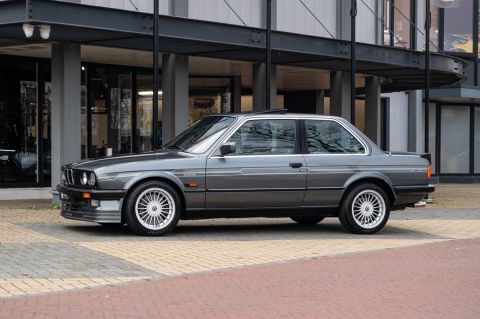
Alpina B6 3.5
Alpina B10 3.3 Touring
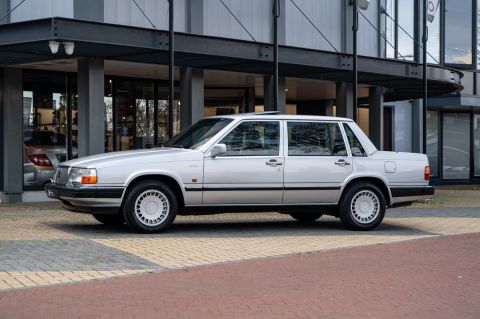
Volvo 760 GLE 2.8
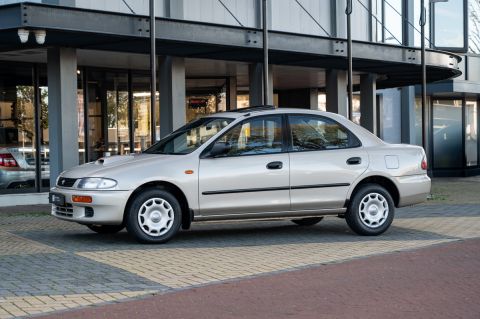
Mazda 323 TD
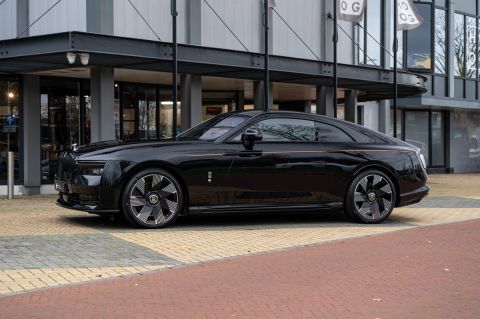
Rolls-Royce Spectre
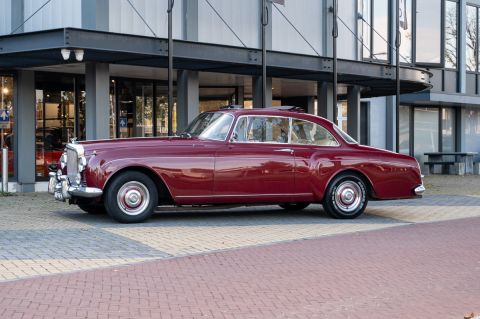
Bentley S2 Continental by H.J. Mulliner
Questions? Talk to Nick directly.
You'll speak to a specialist straight away — exports and insured worldwide delivery included.
We'll show you any car live on a video call — and handle the export paperwork and insured shipping from Rotterdam.
Last reviewed: November 2026 · Sources: NHTSA importation guidelines, EPA form 3520-1, CBP entry guidance, current trade-measure trackers. This guide is general information, not legal or customs advice. Rules and tariff rates change; verify current requirements with NHTSA, the EPA, CBP, and a licensed customs broker before purchasing.
Also interesting: HooG Selections in English · Showroom & inventory · Exporting & worldwide delivery · Classic car finder