
Mercedes-Benz 200 Series 230E
Save this Mercedes-Benz
With a free account you can keep an eye on it:
- notification of a price change or sale
- pre-market: see new cars before anyone else
- bid in the live auctions
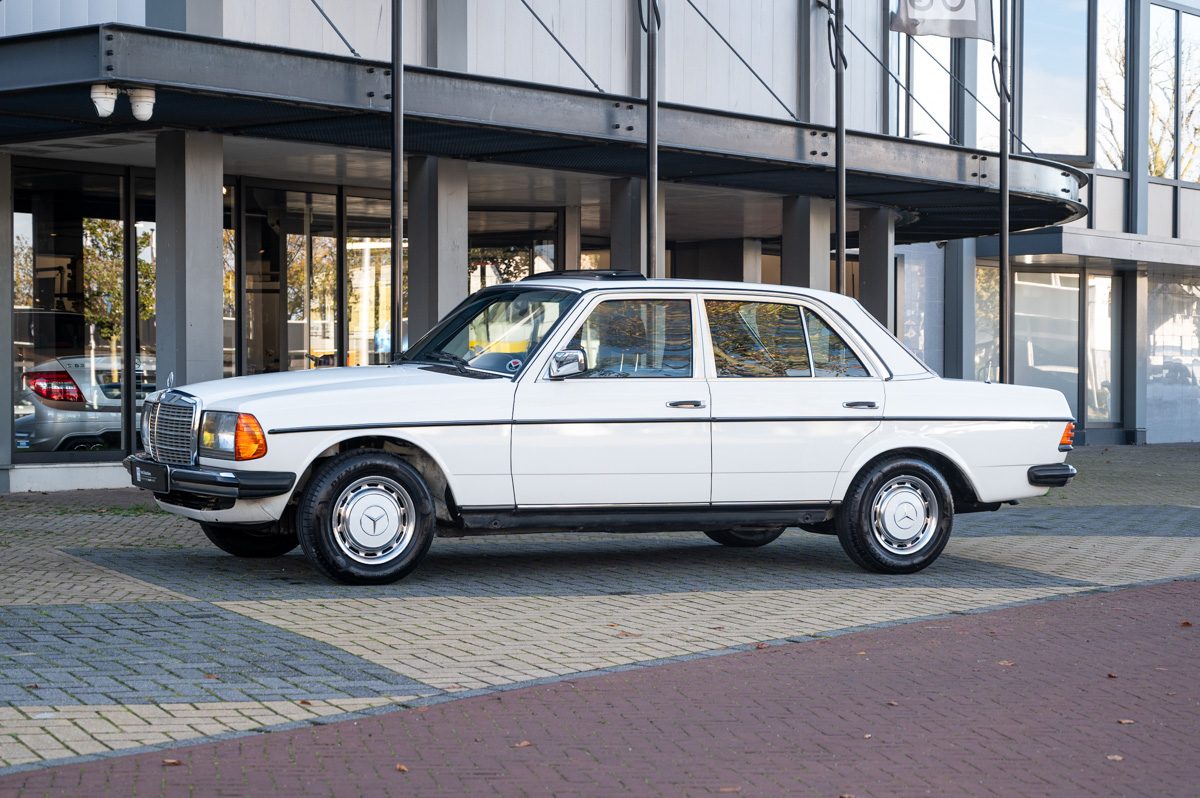
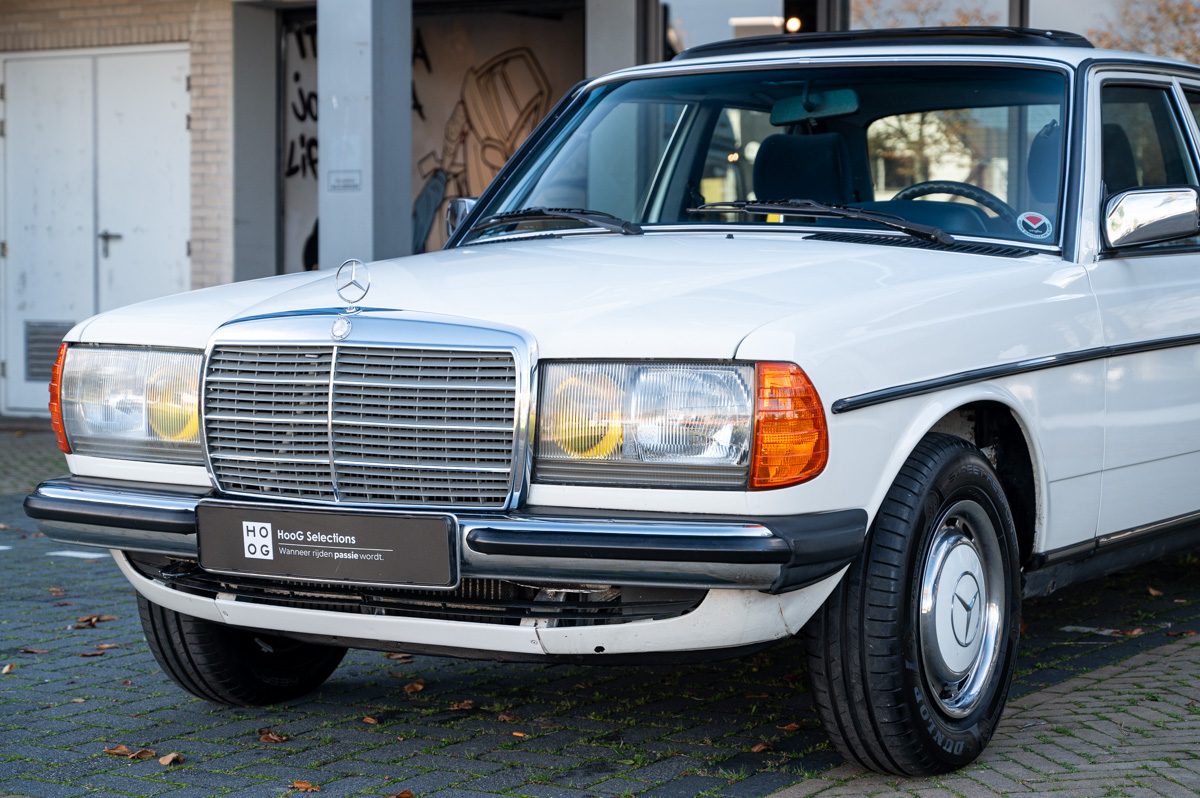
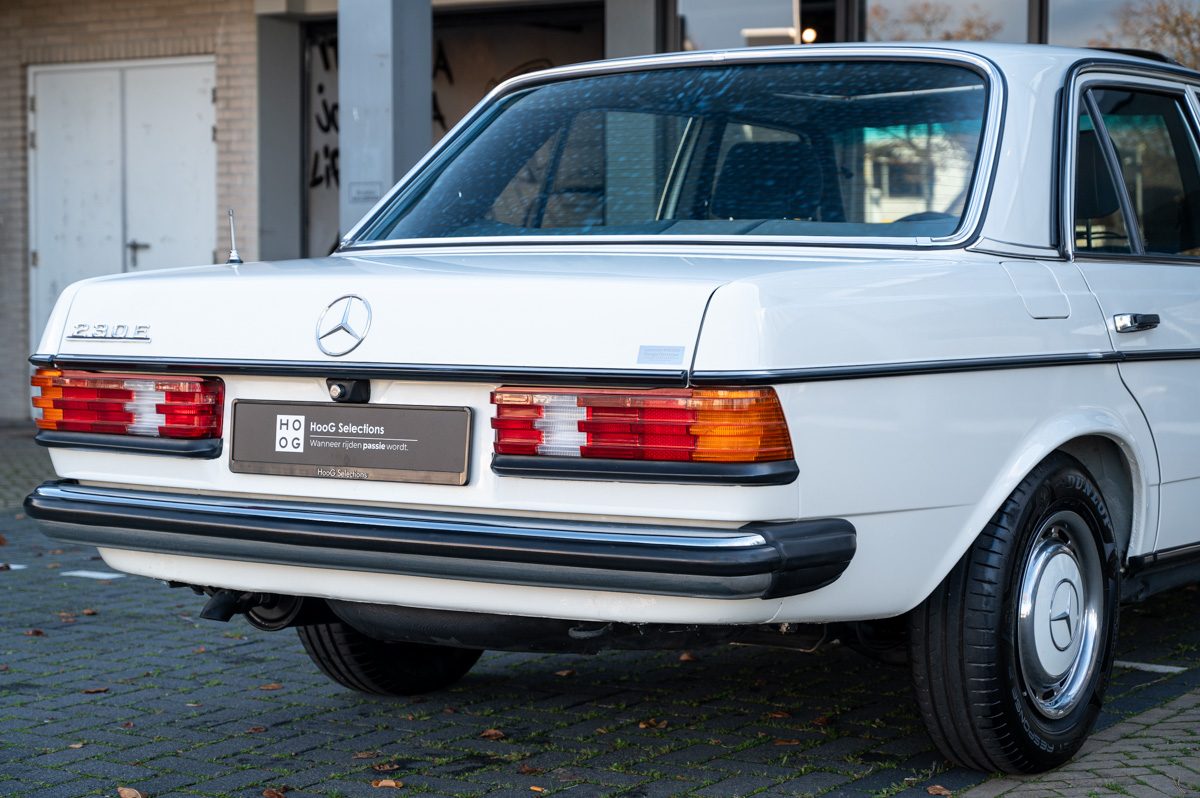
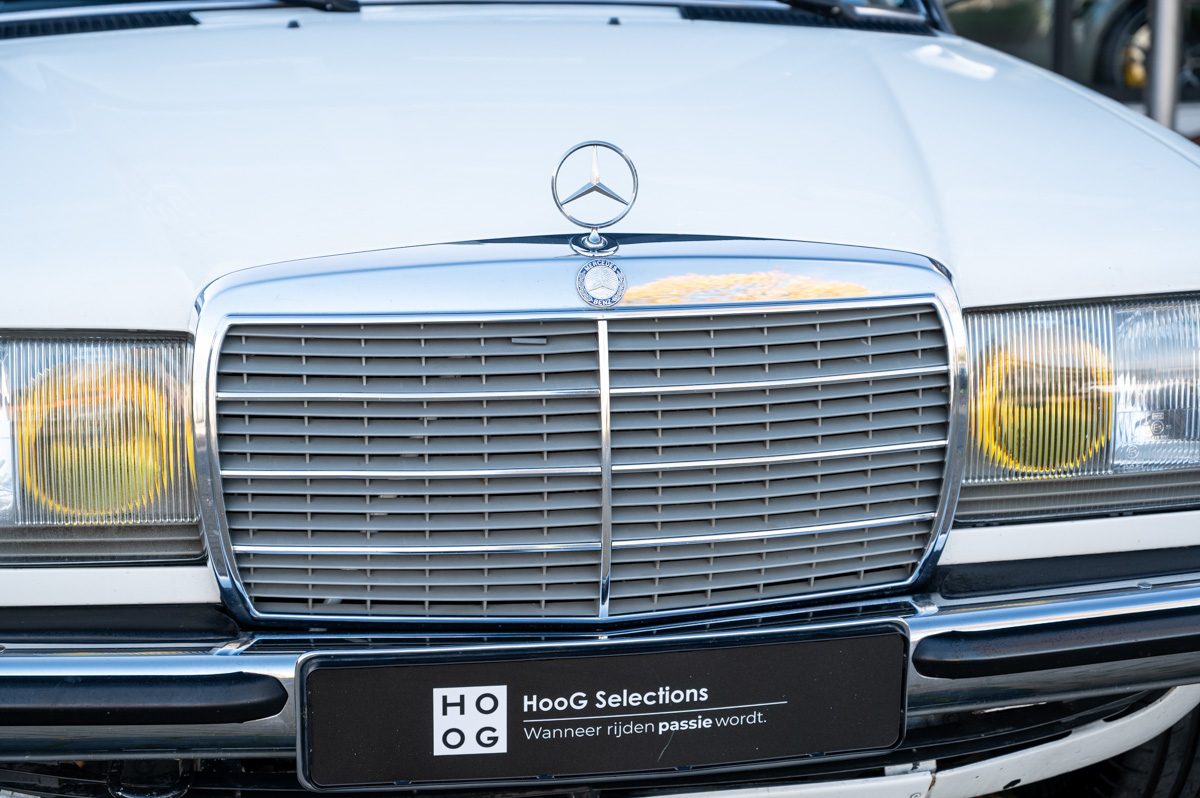
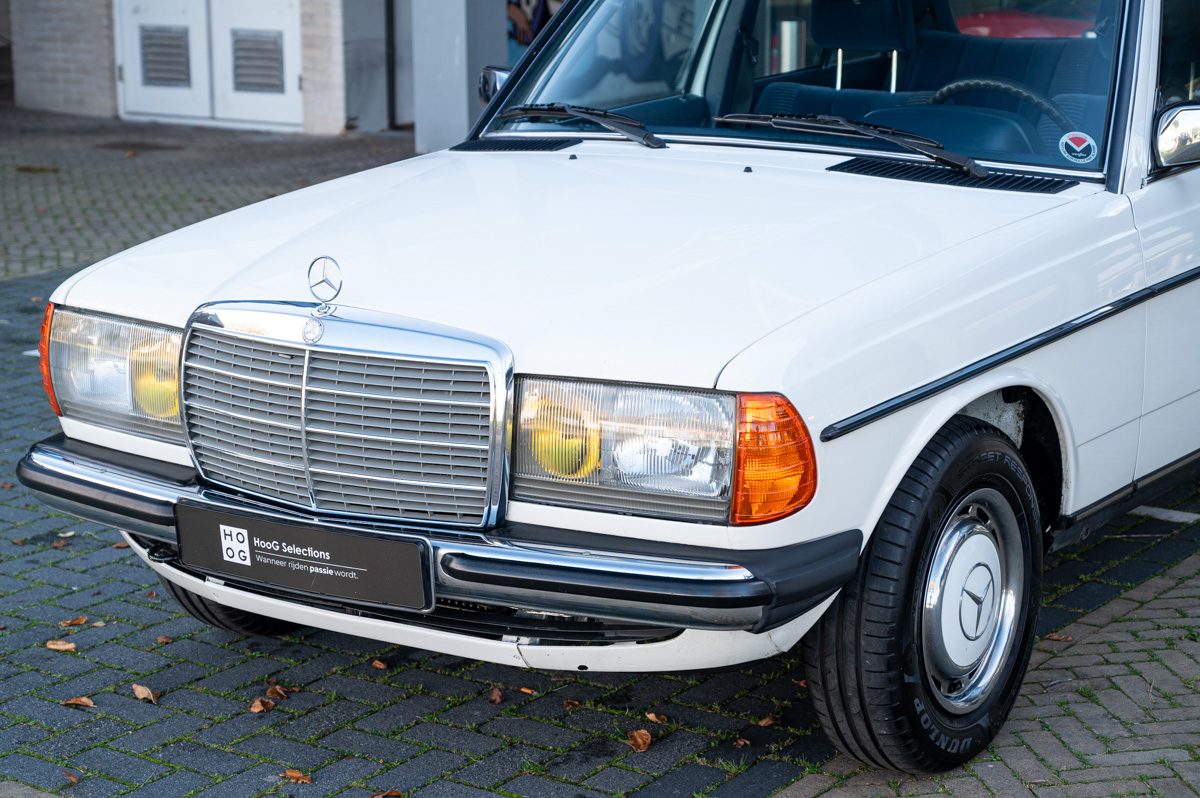
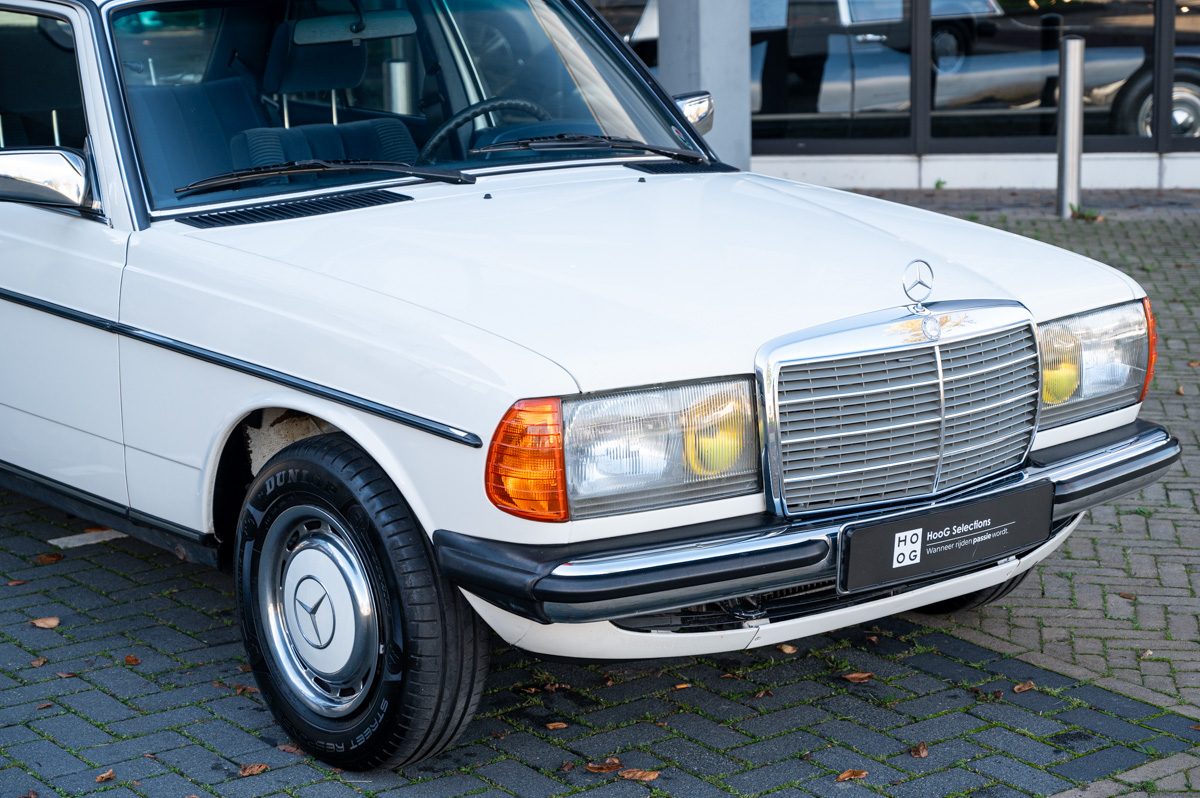
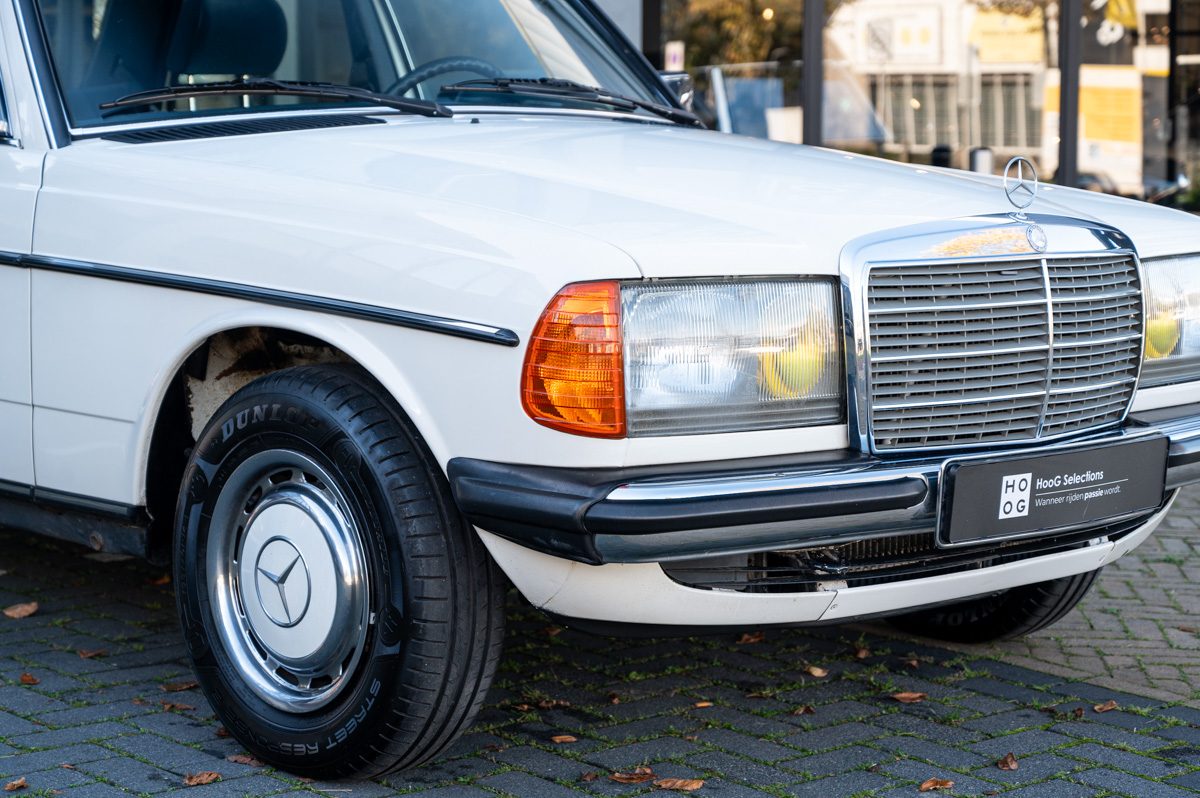
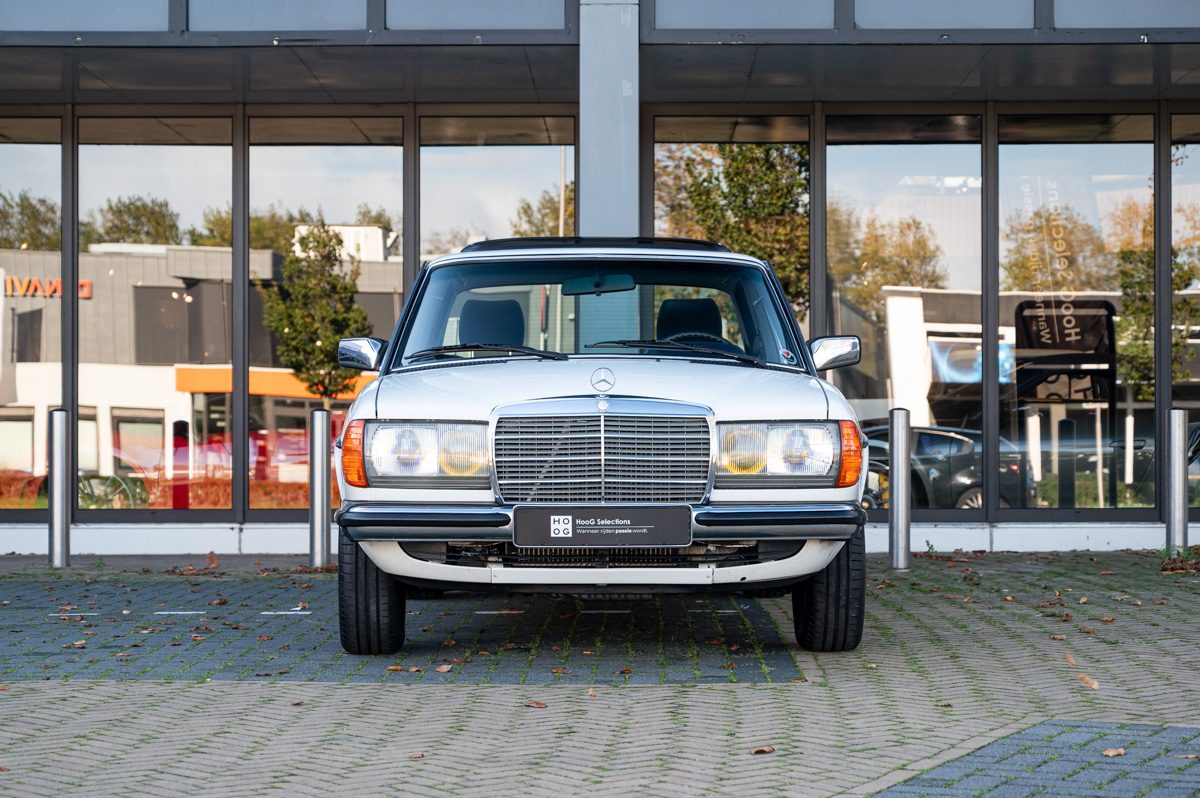
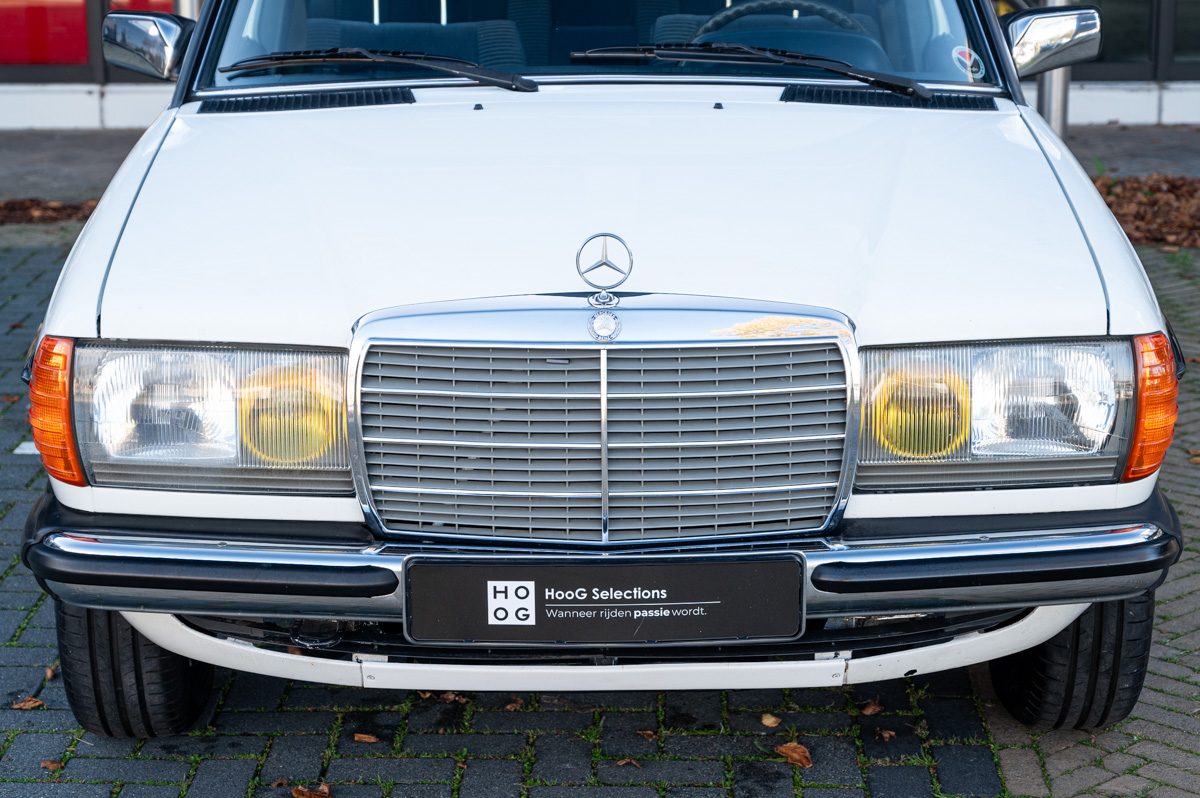
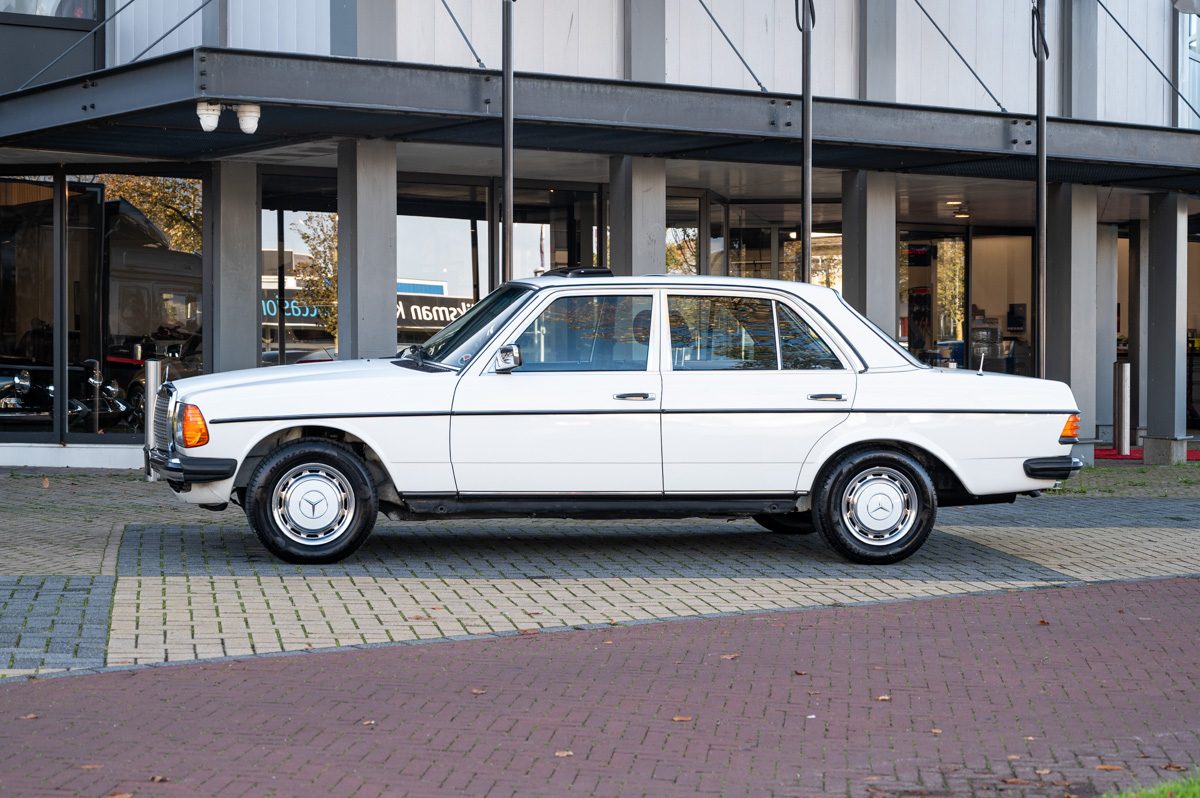
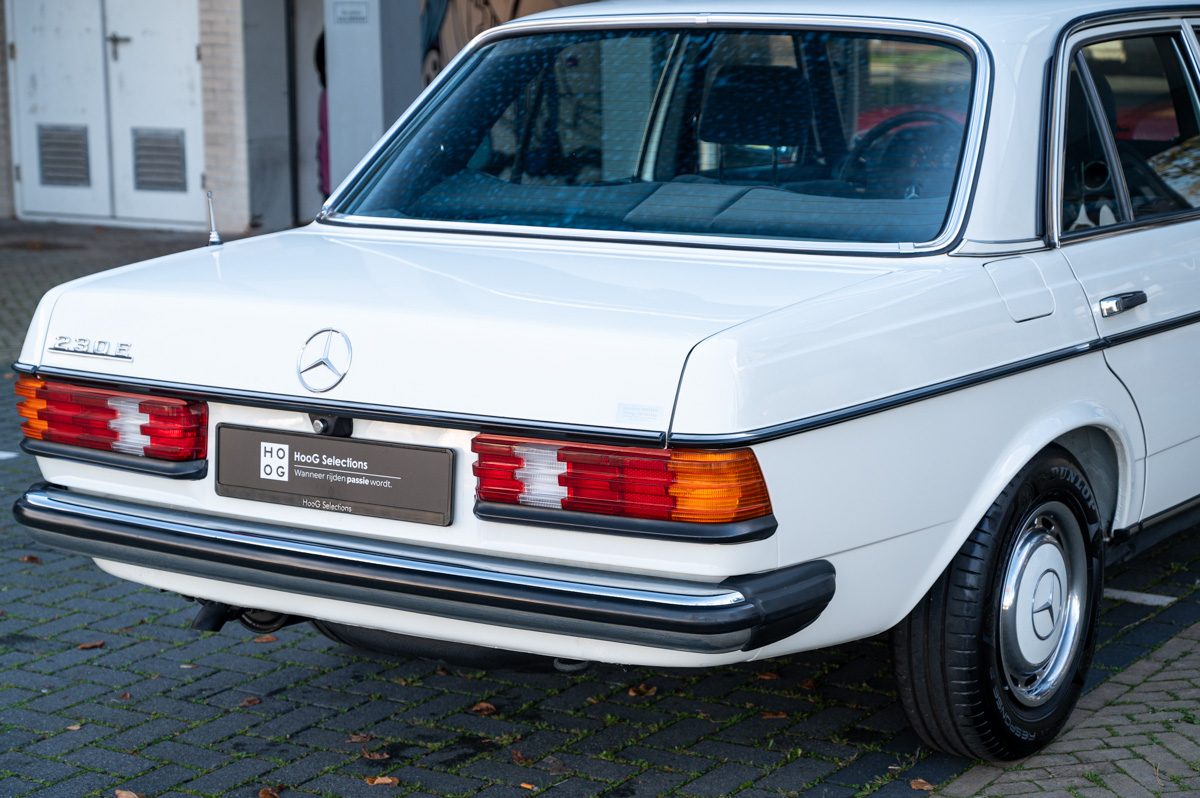
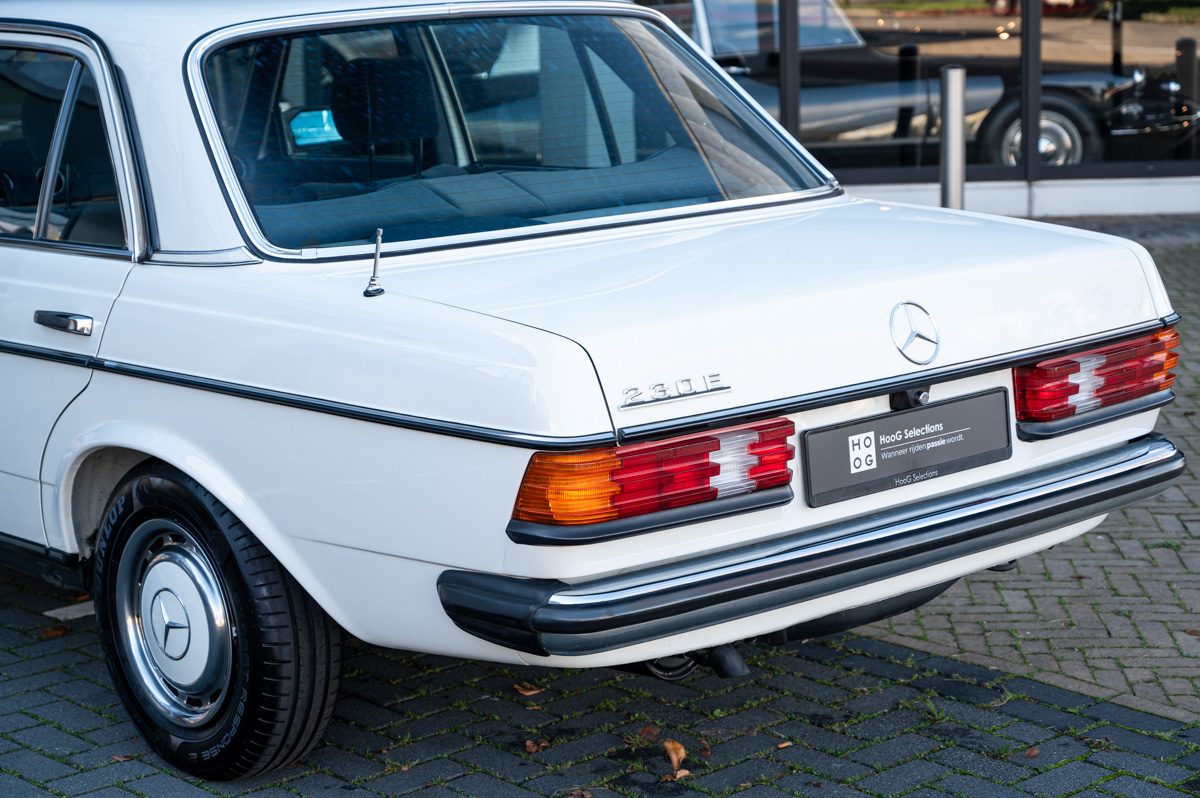
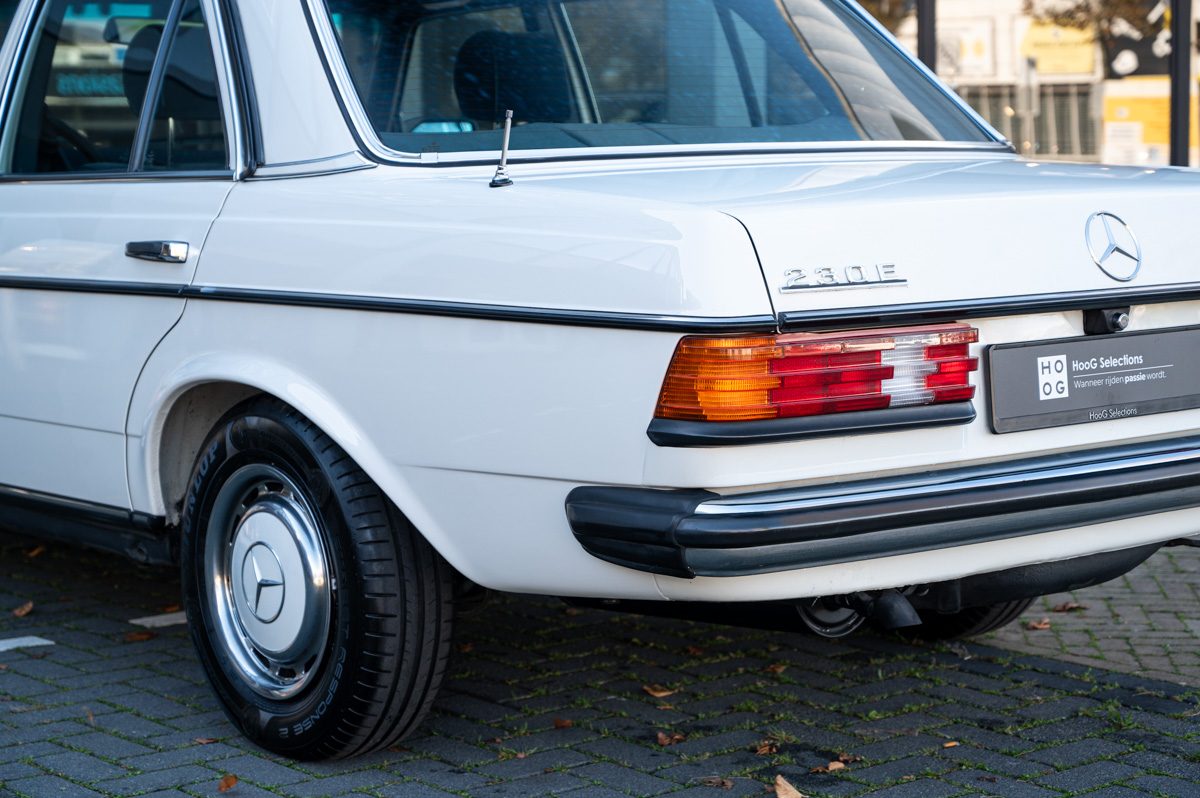
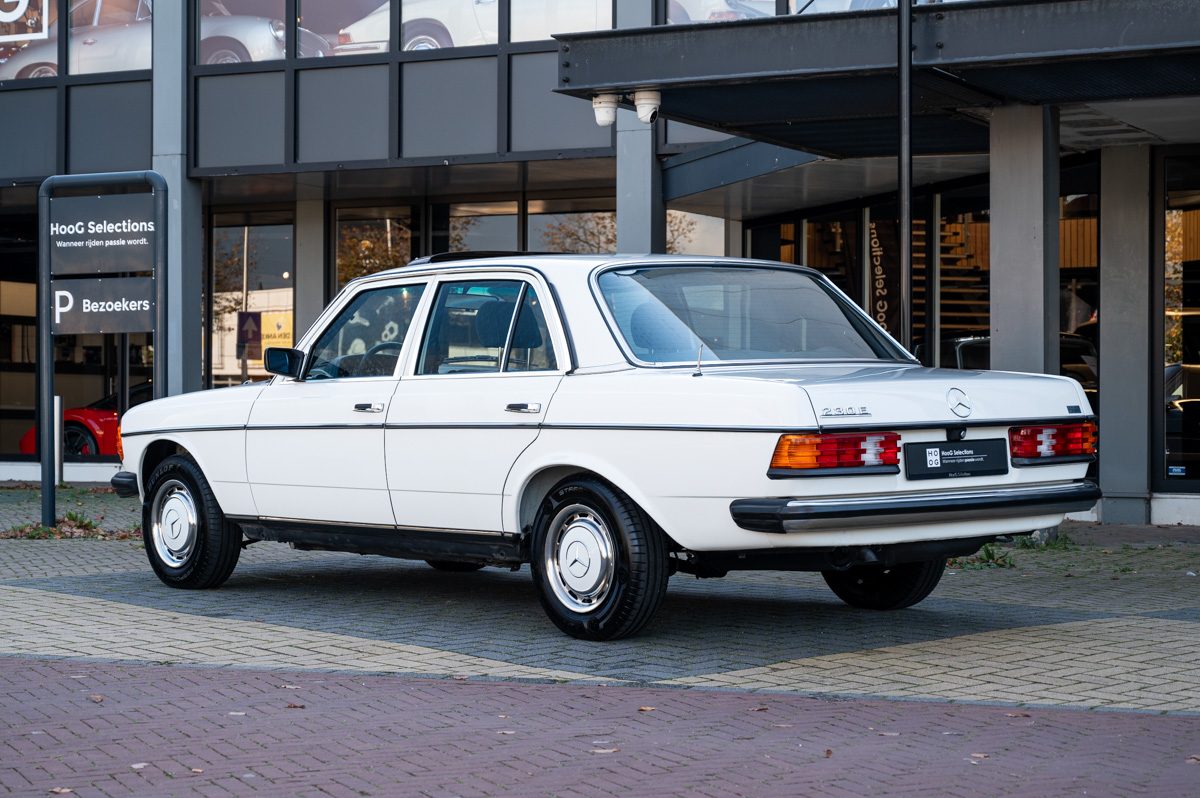
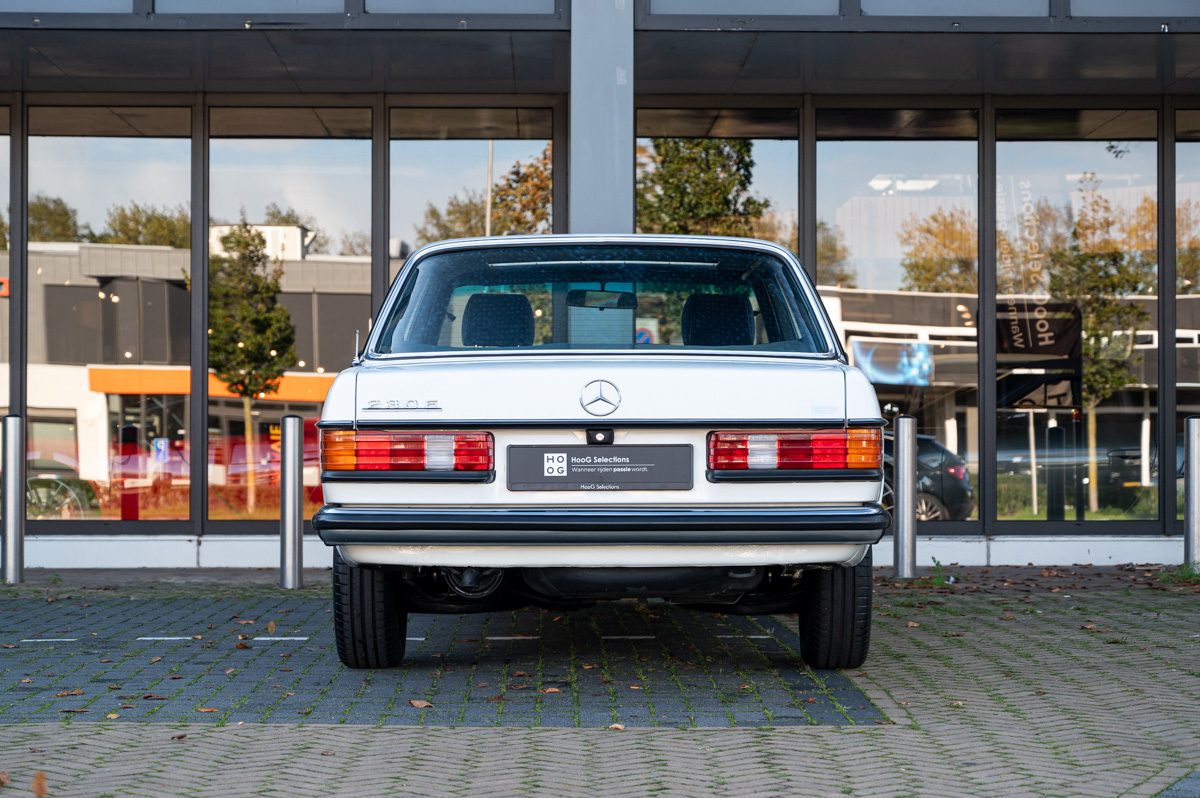
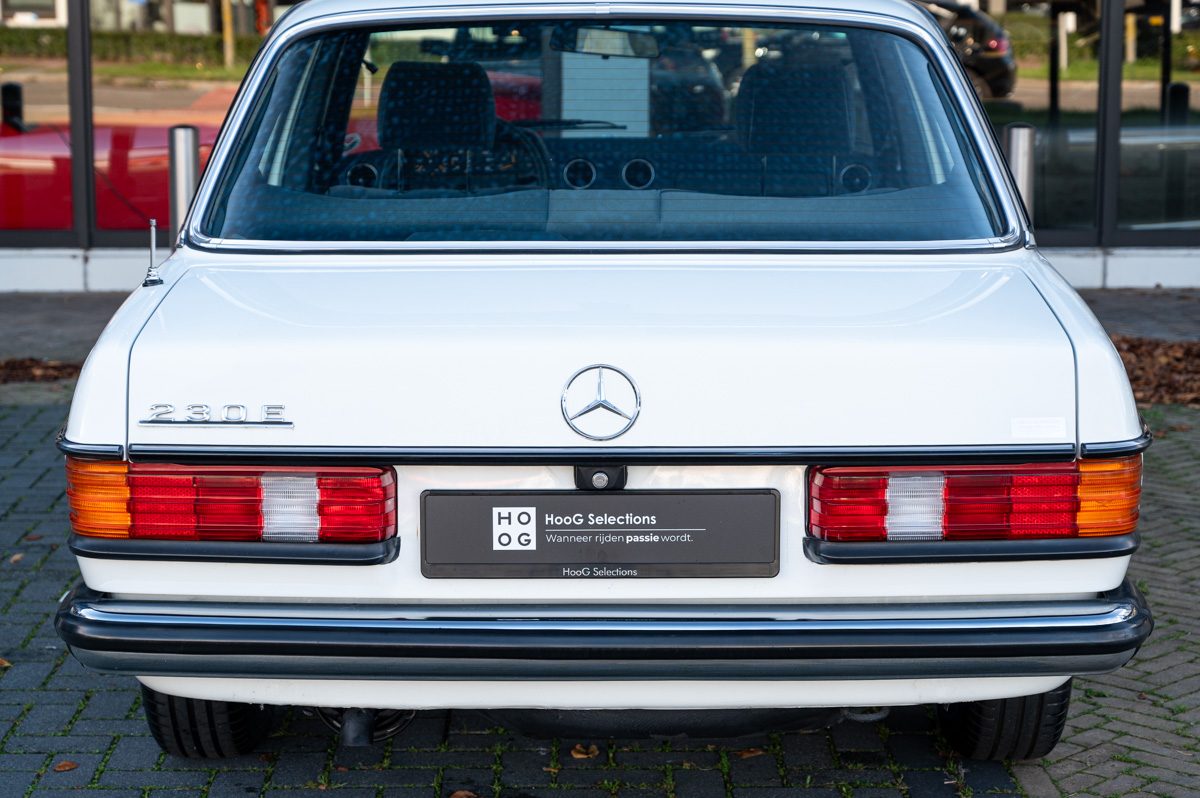
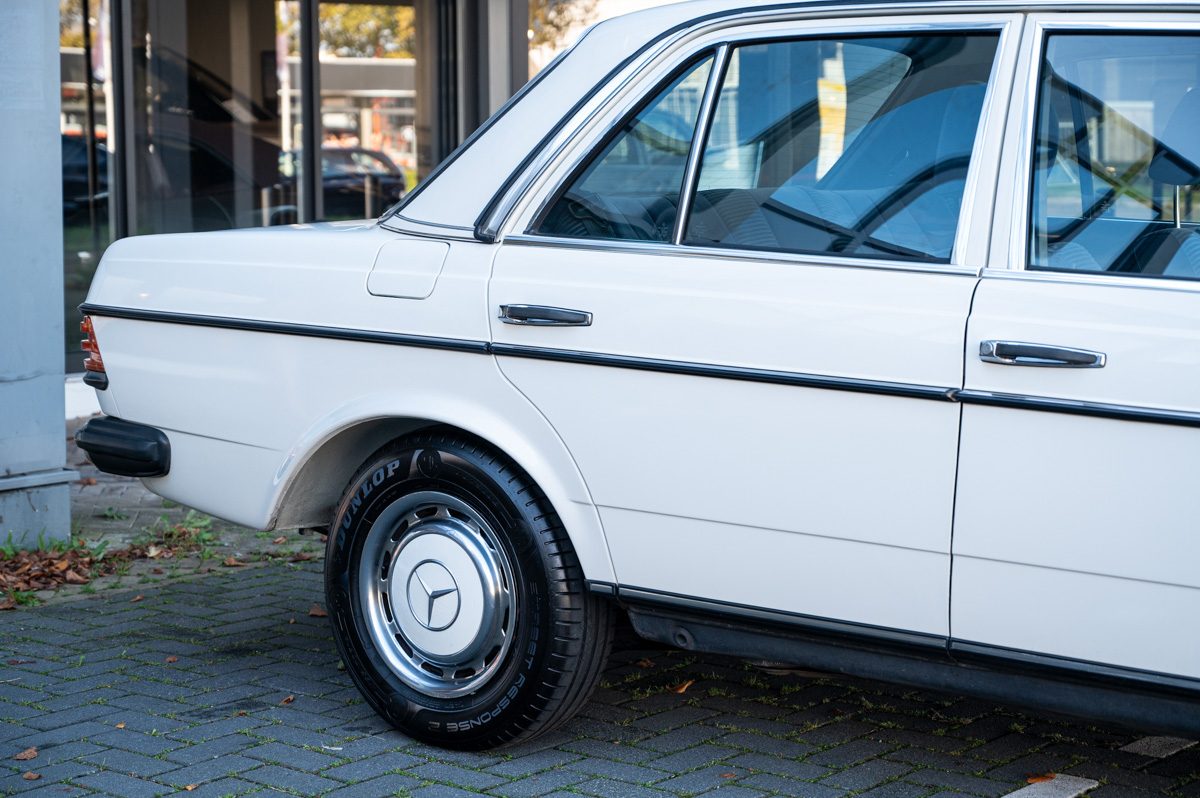
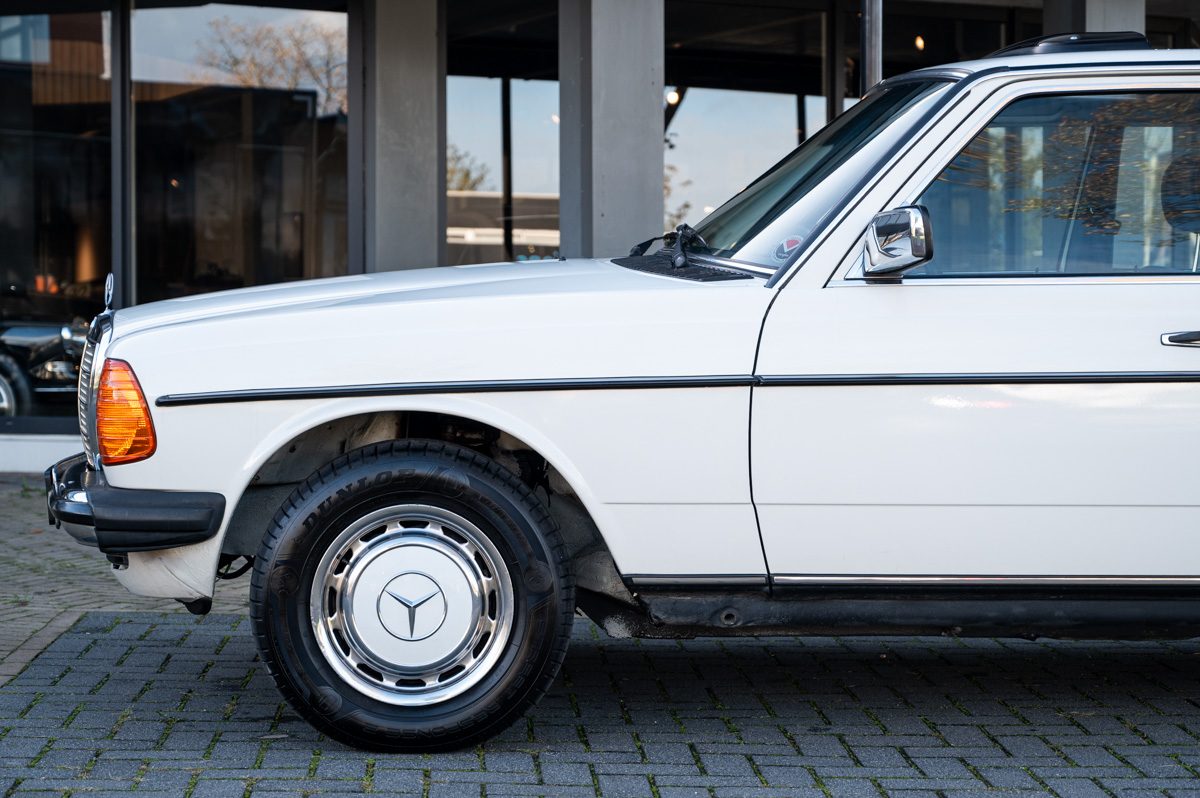
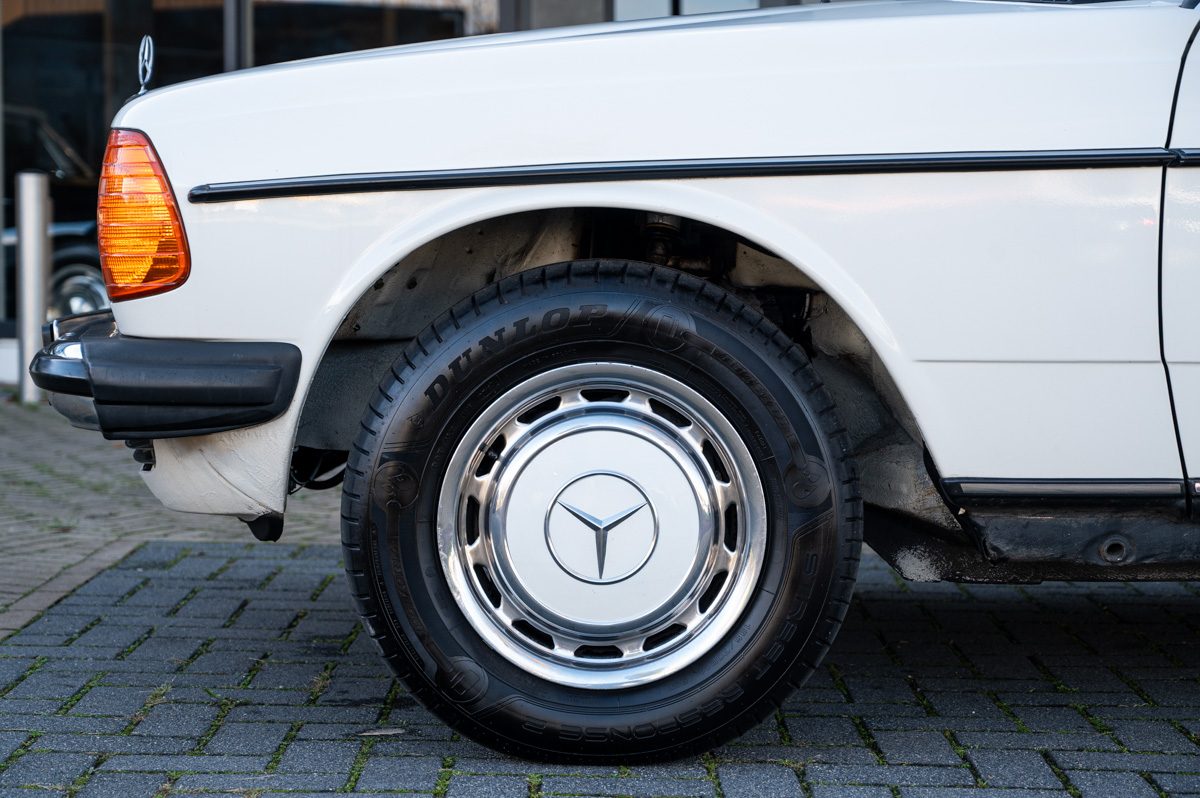
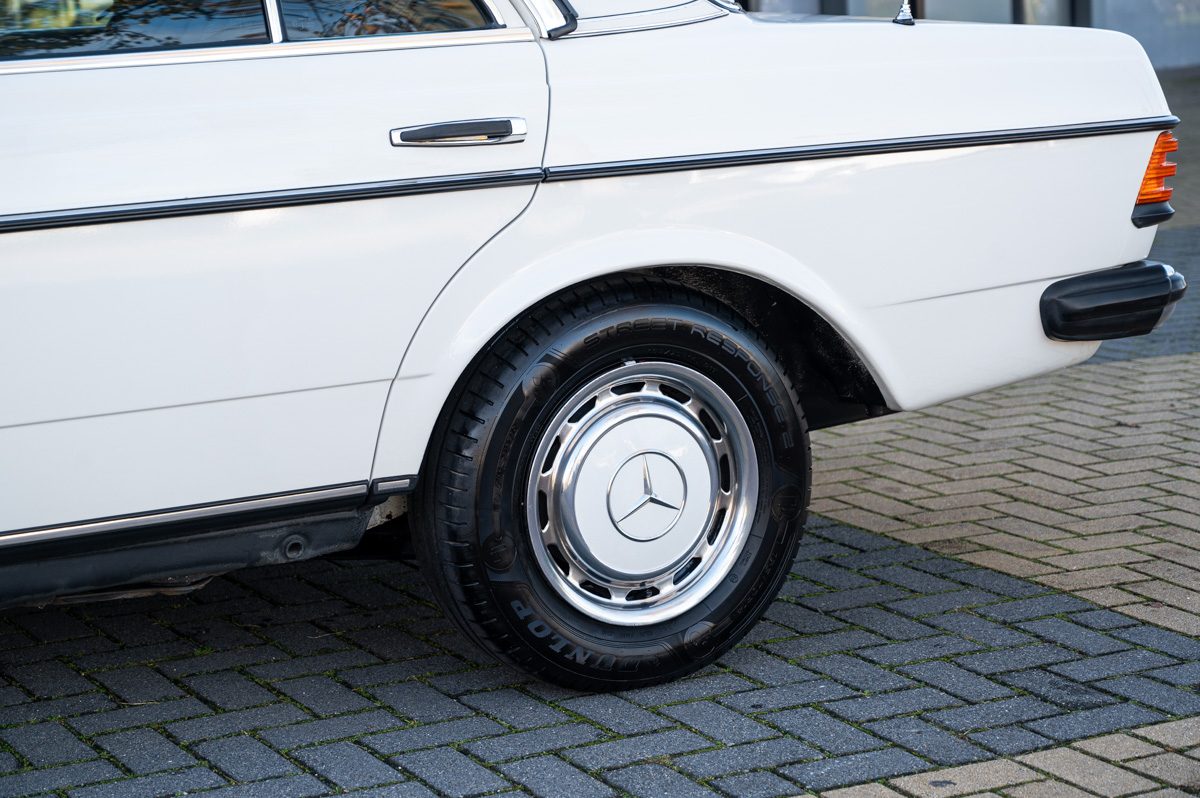
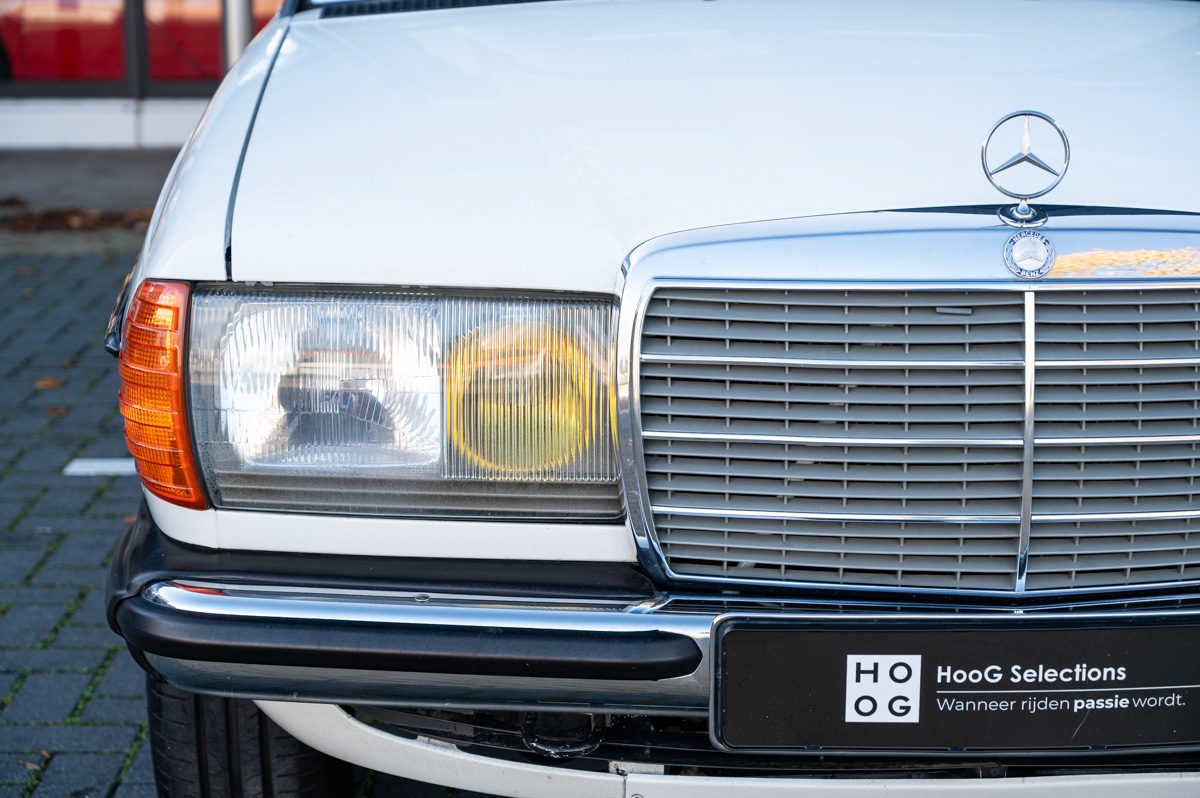
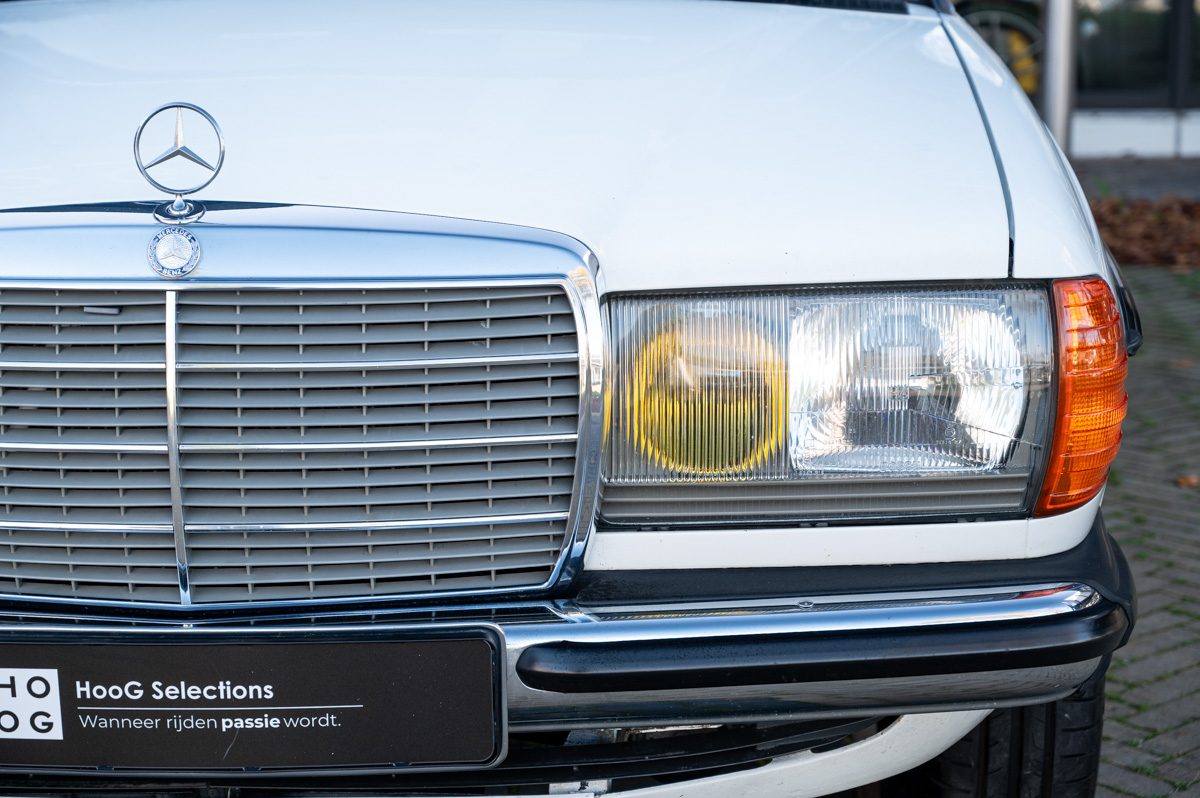
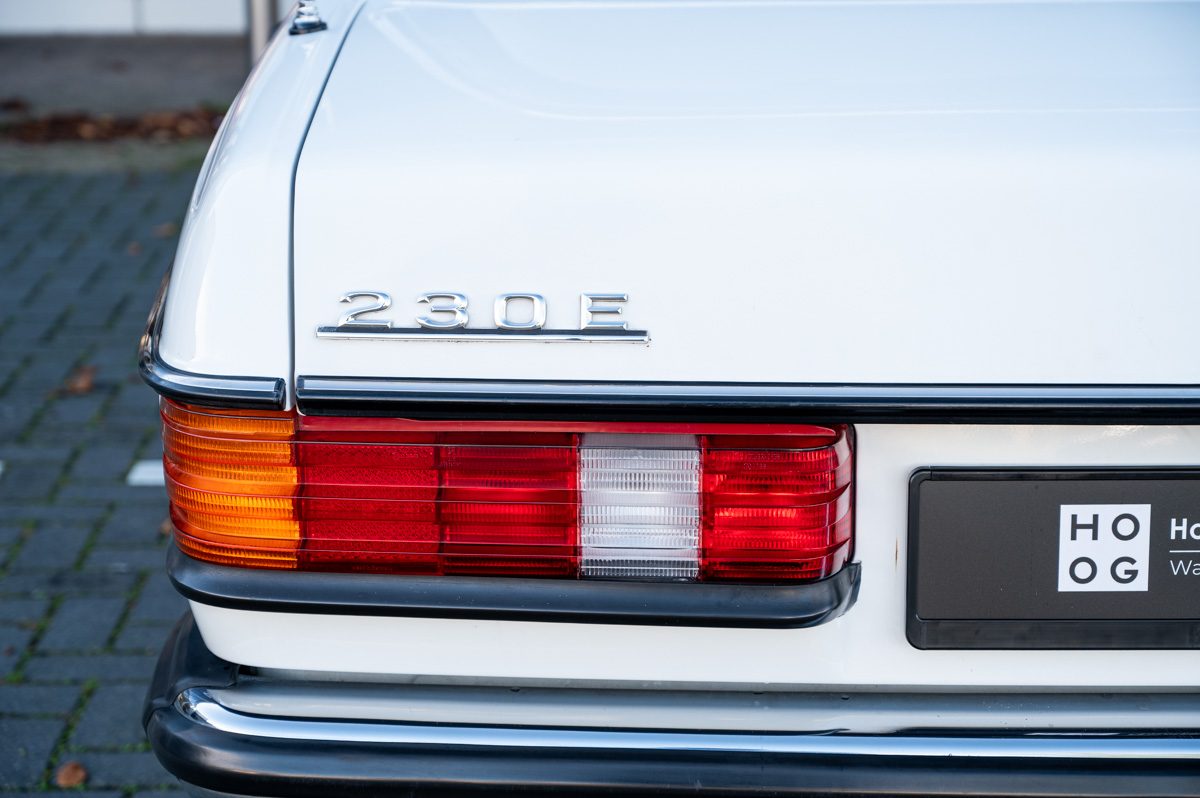
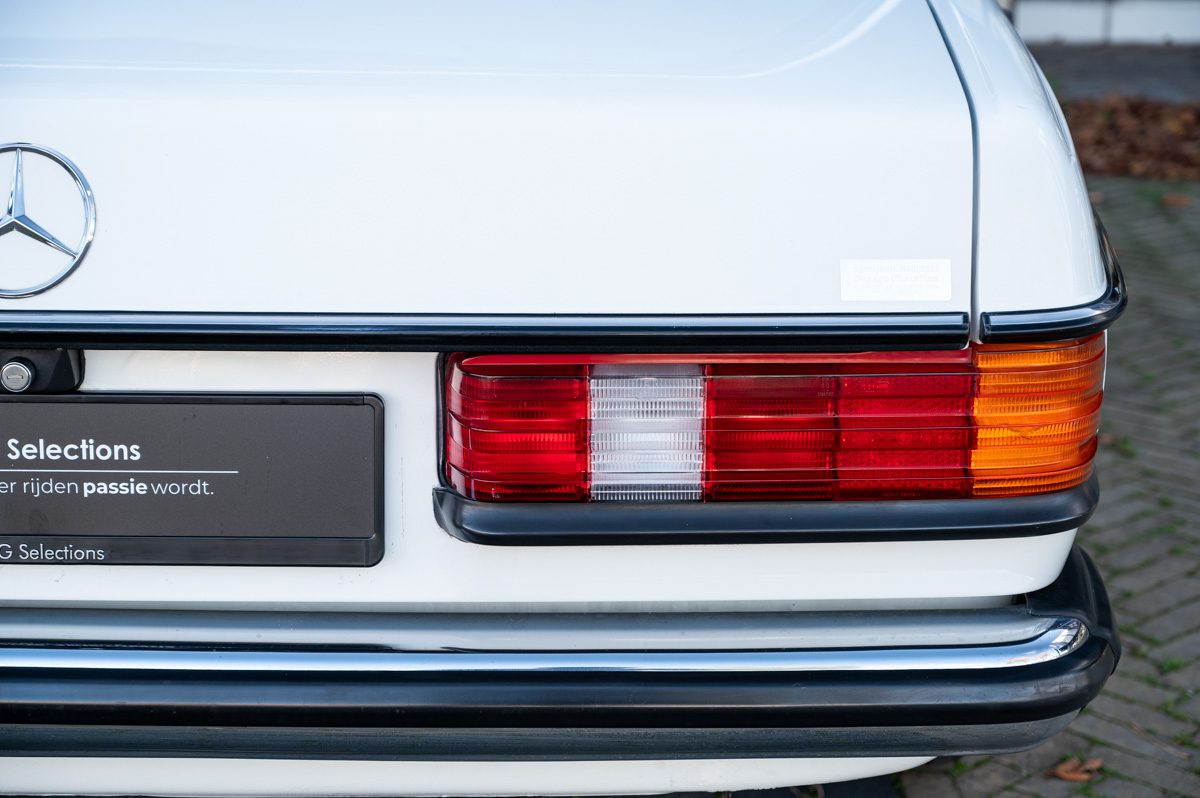
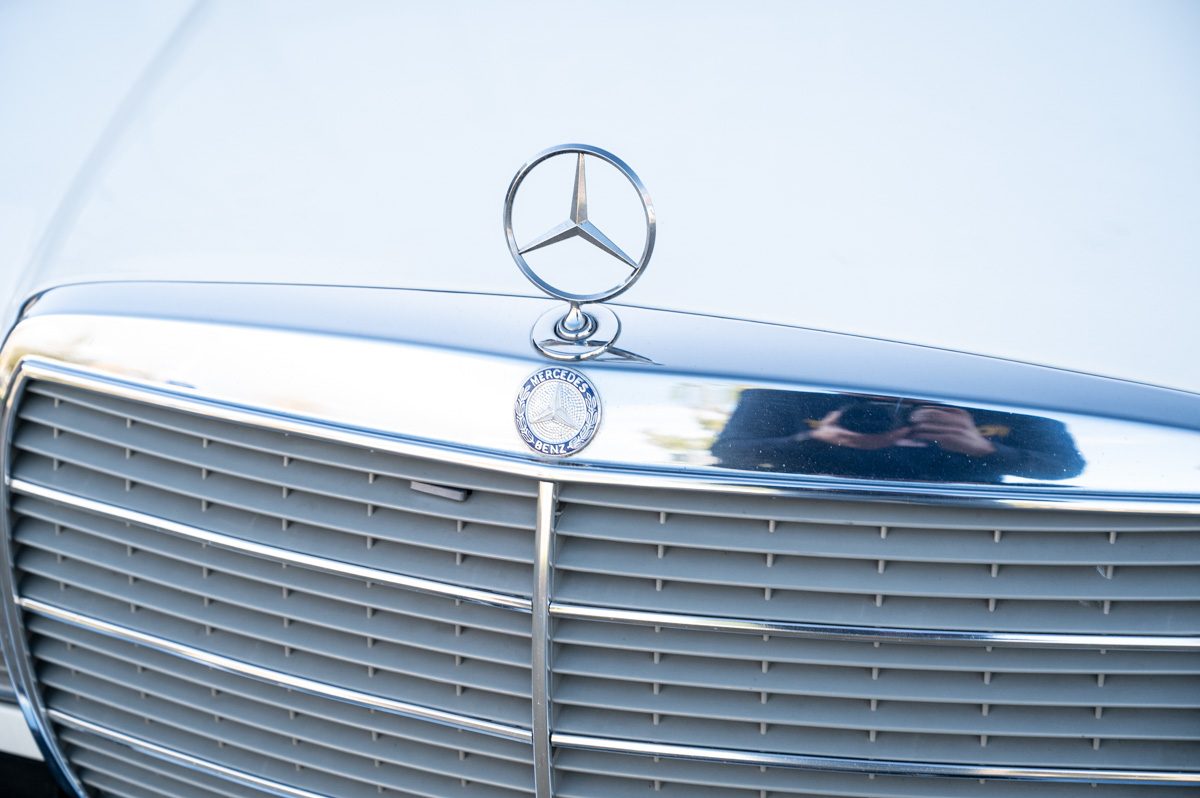
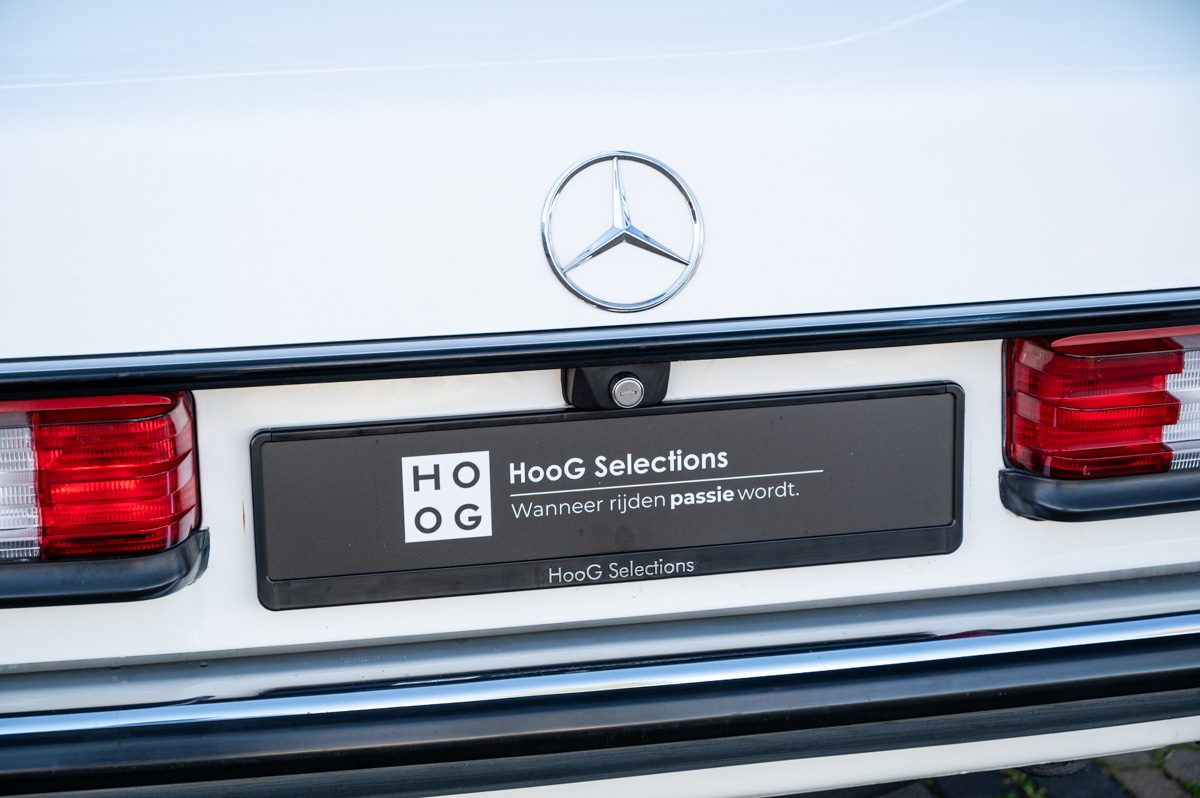
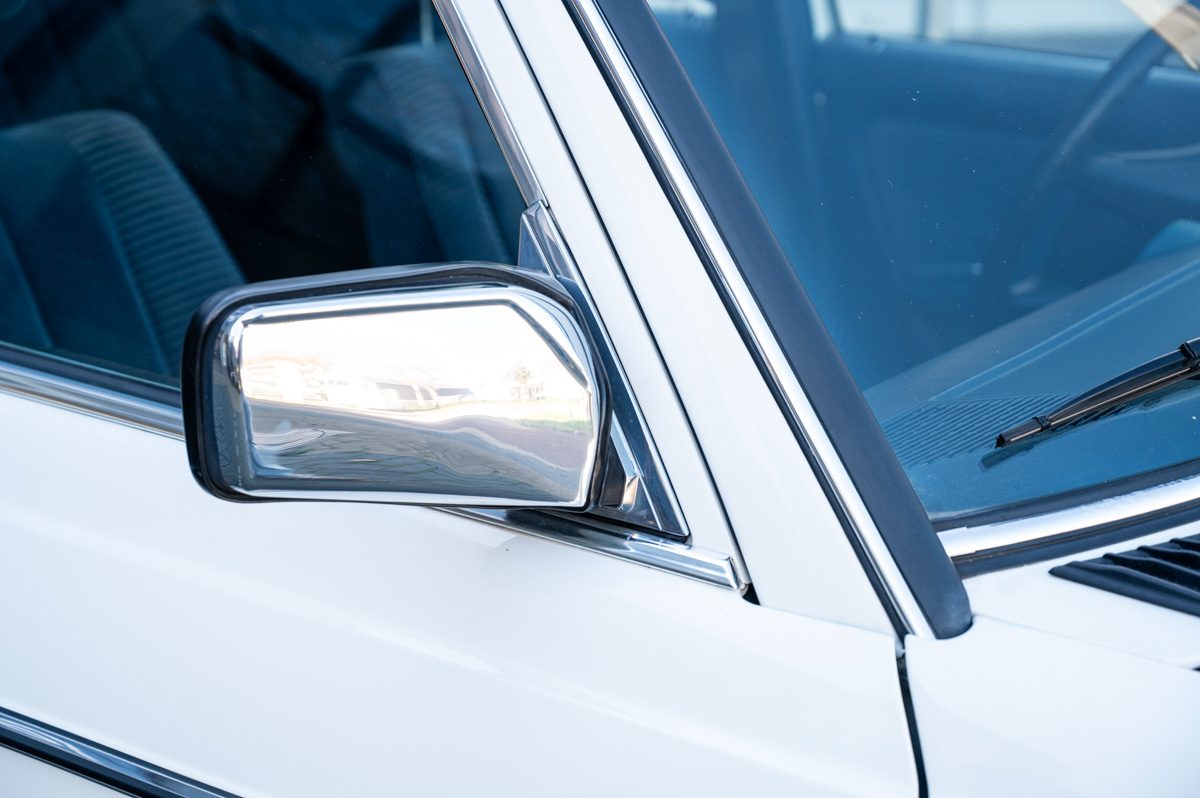
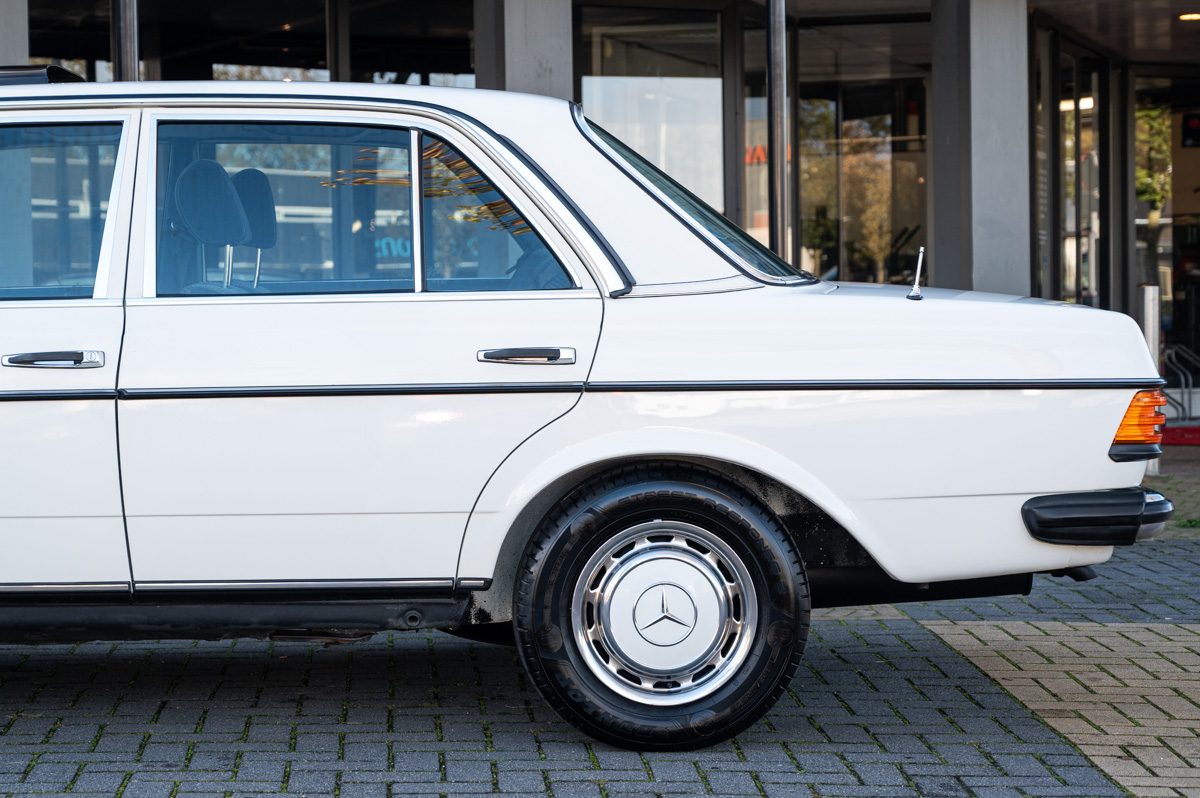
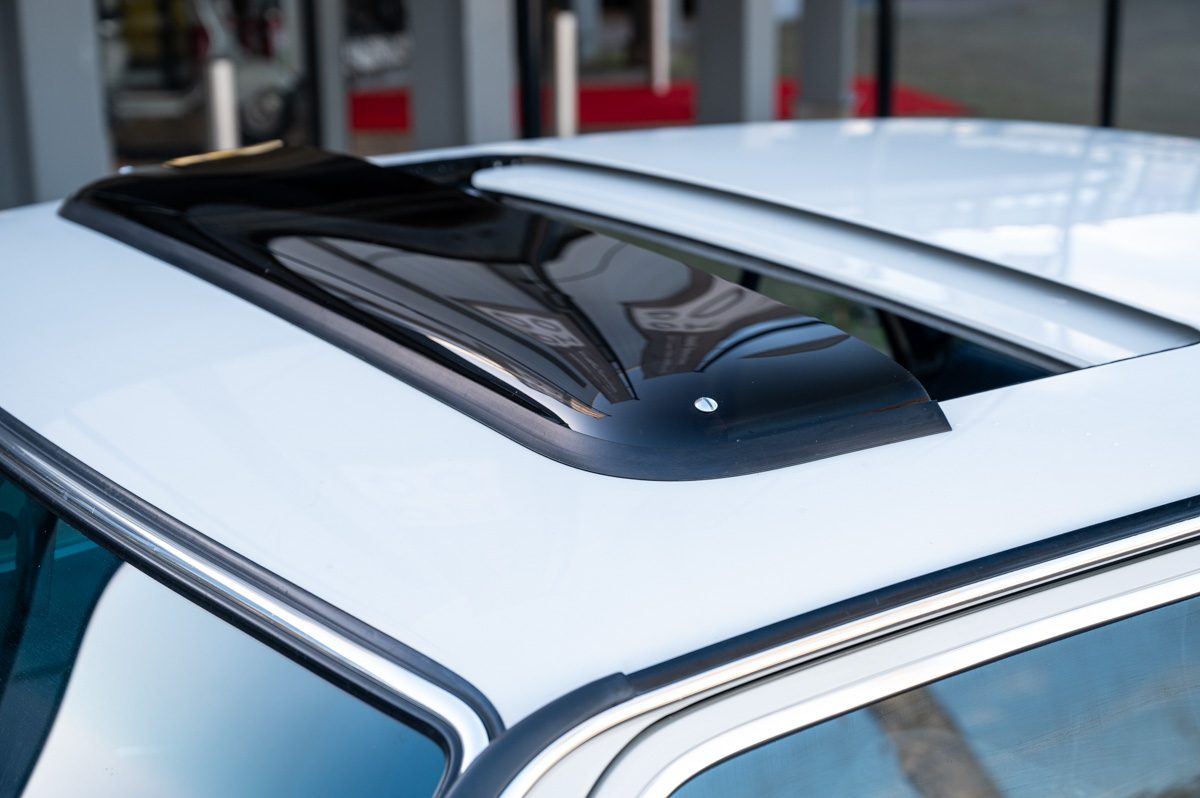
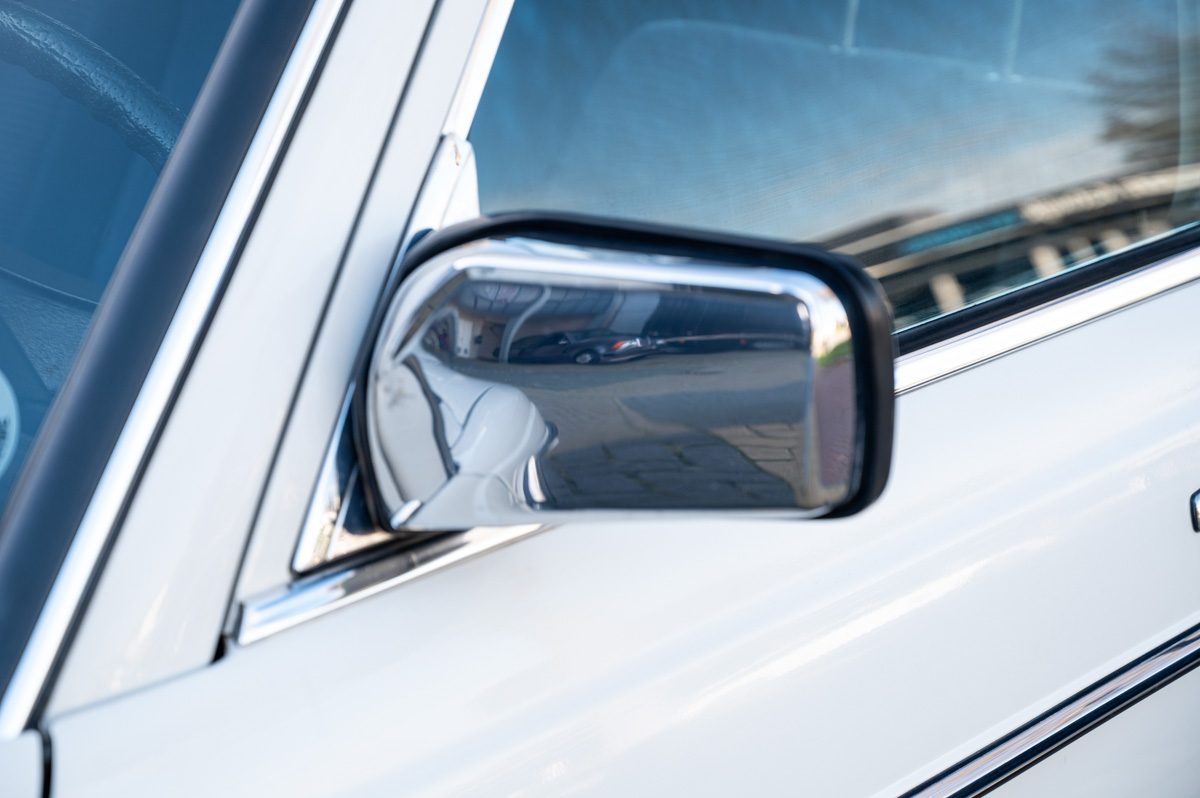
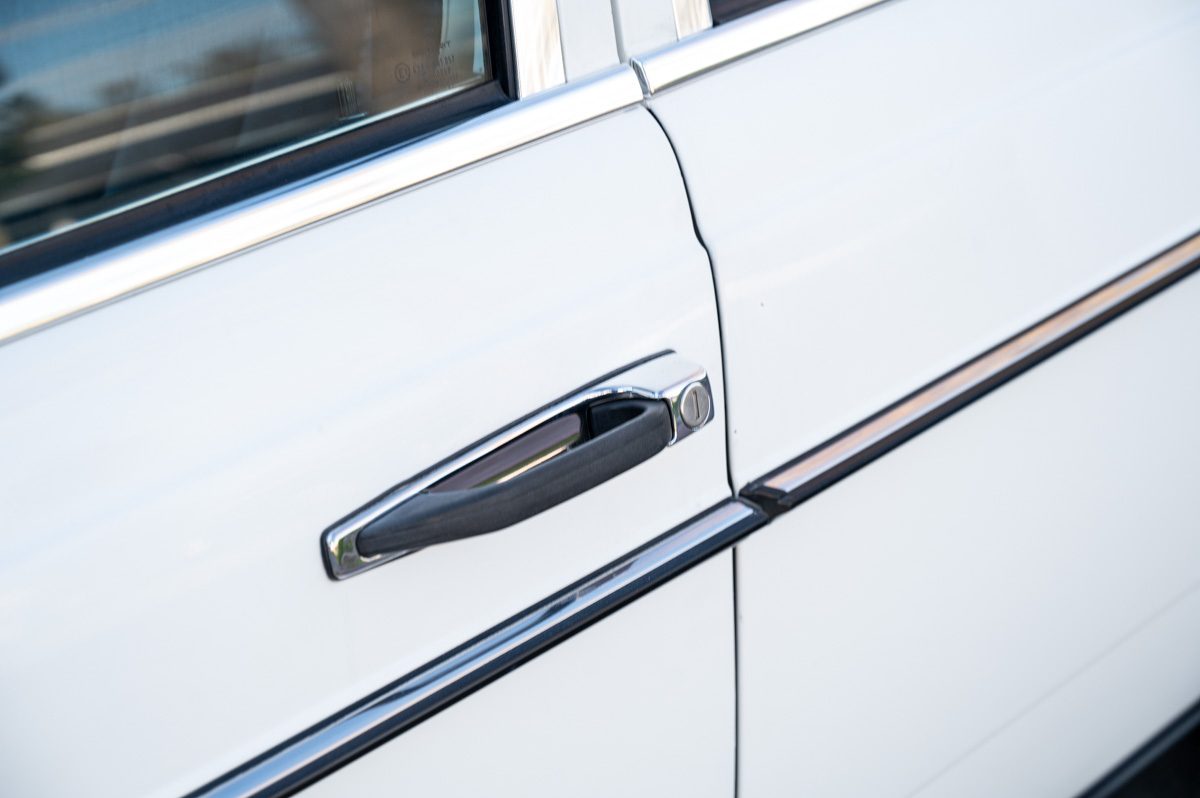
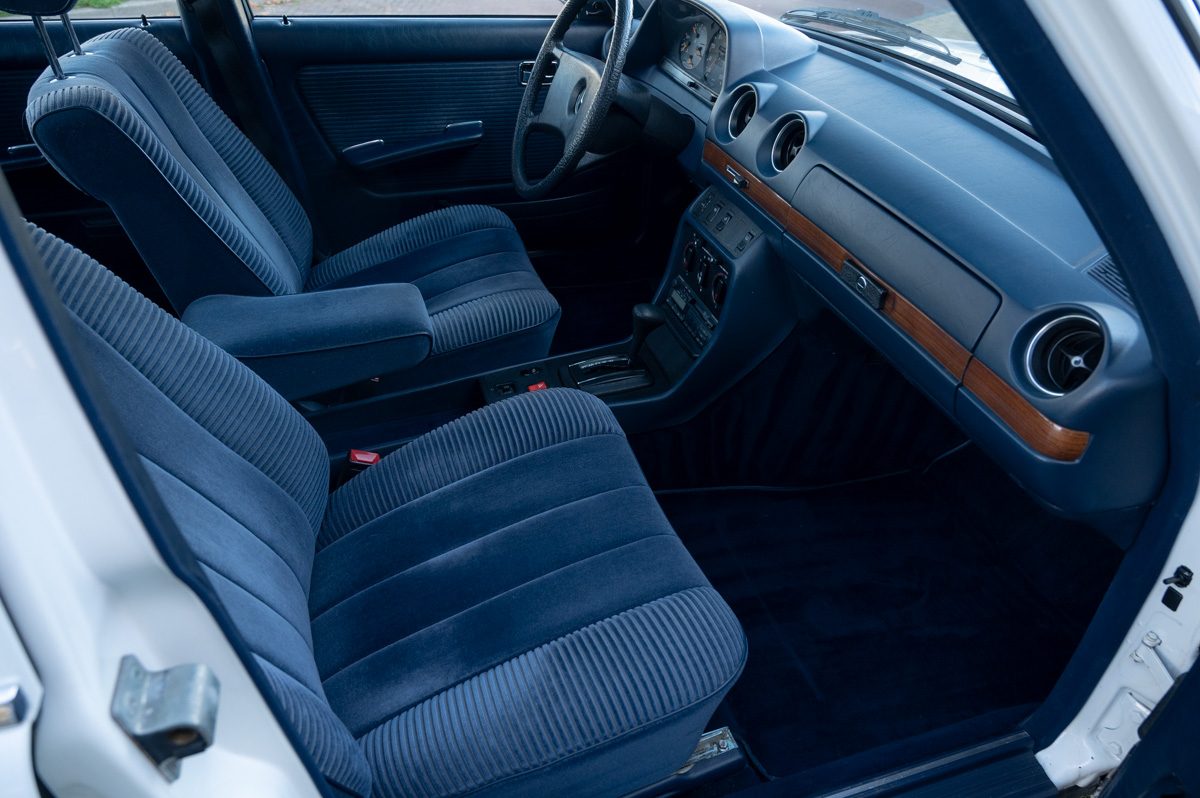
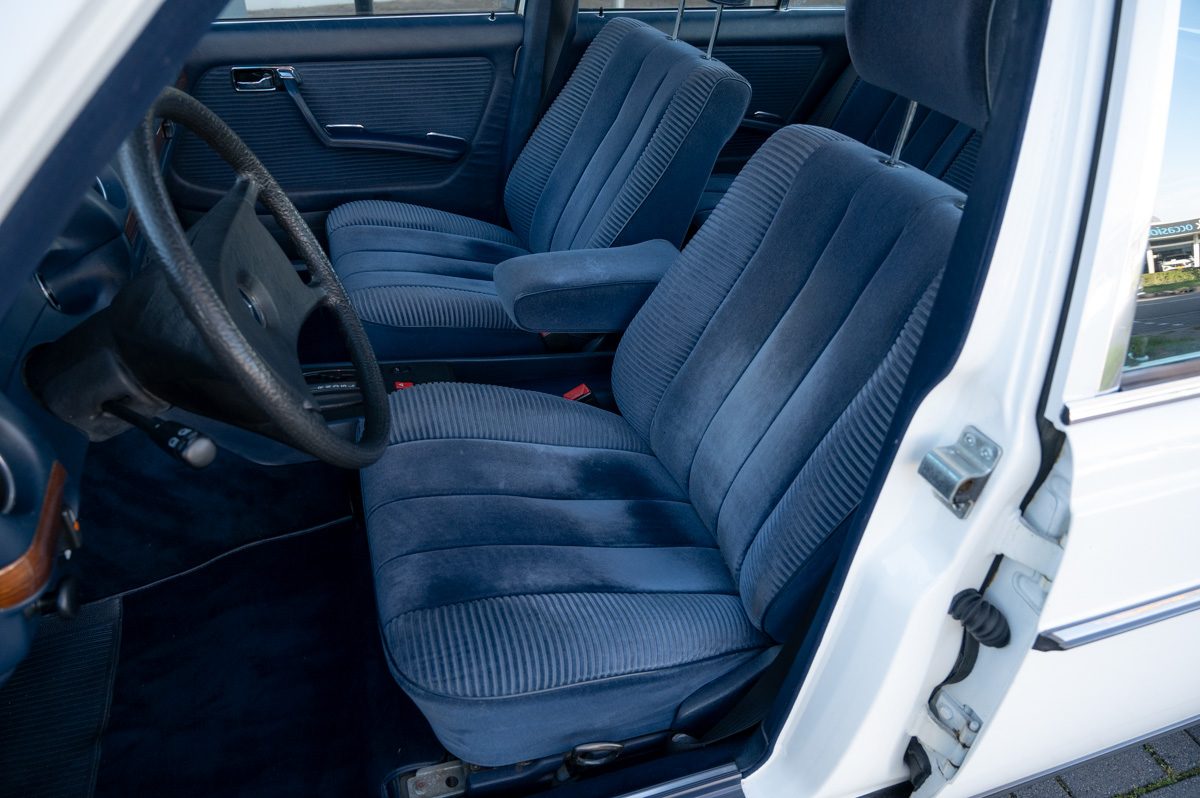
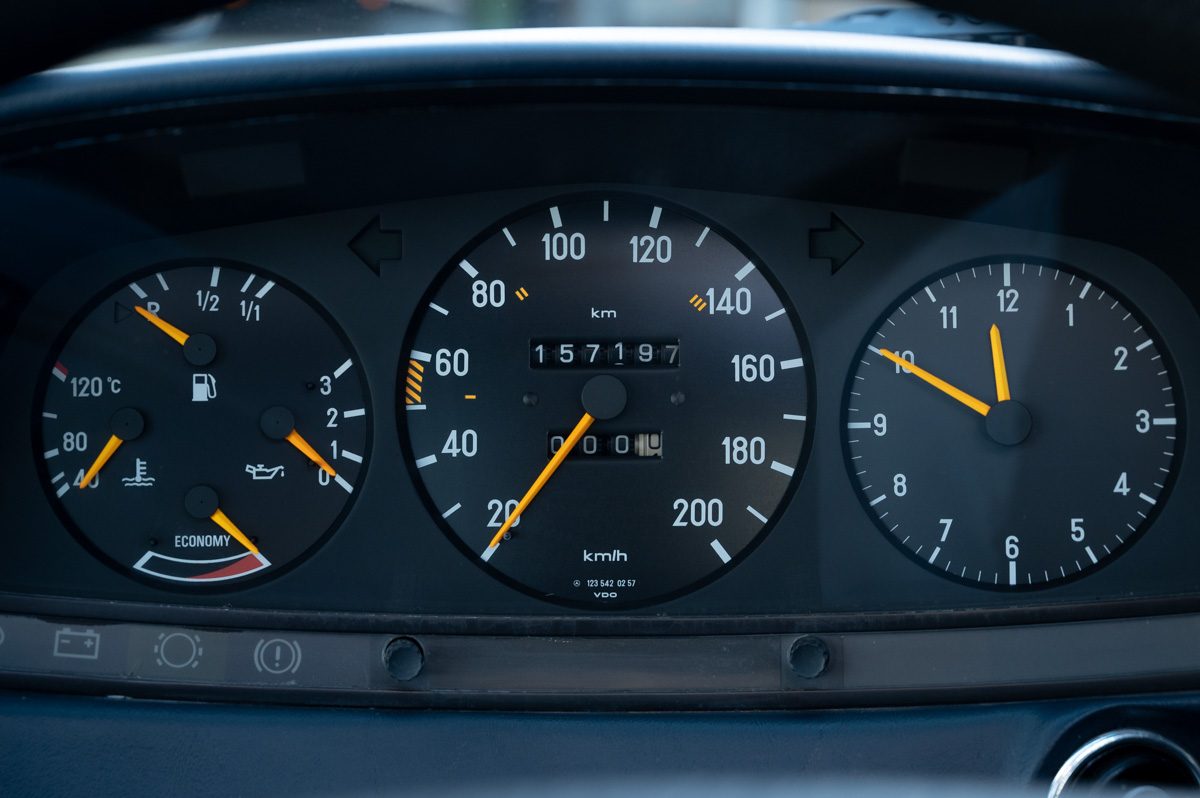
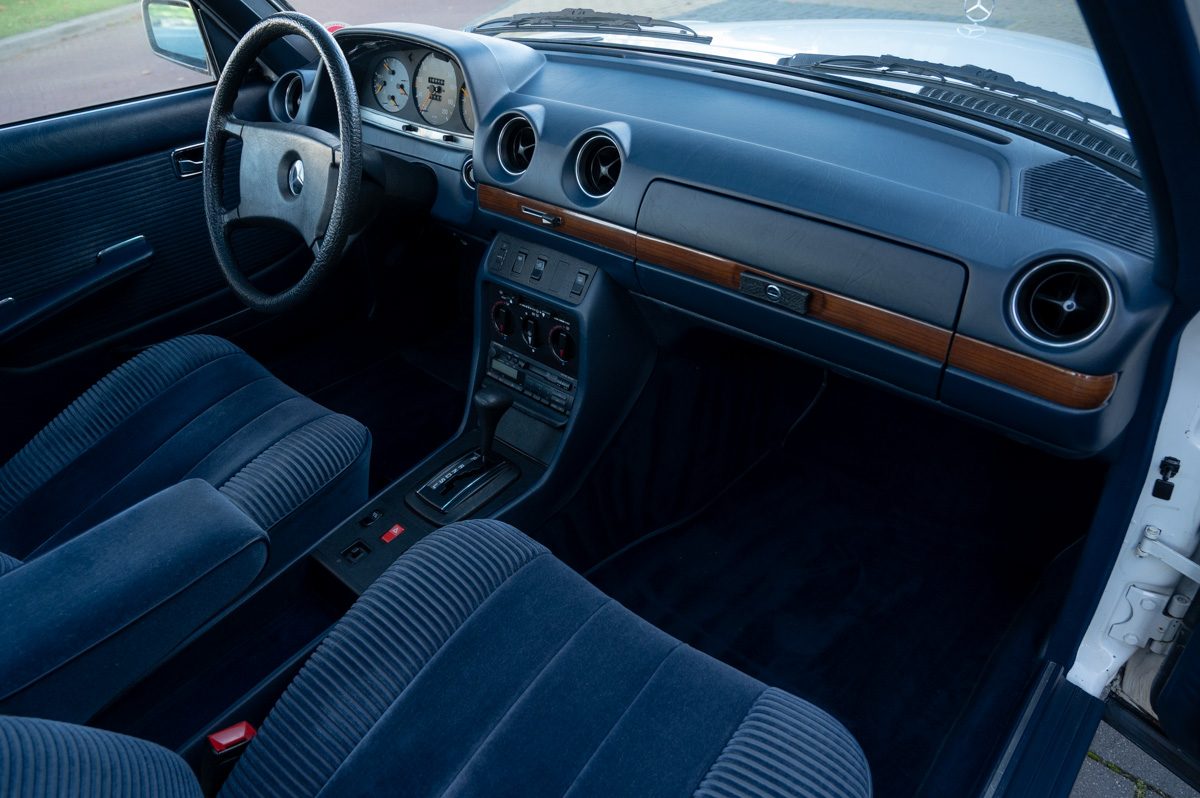
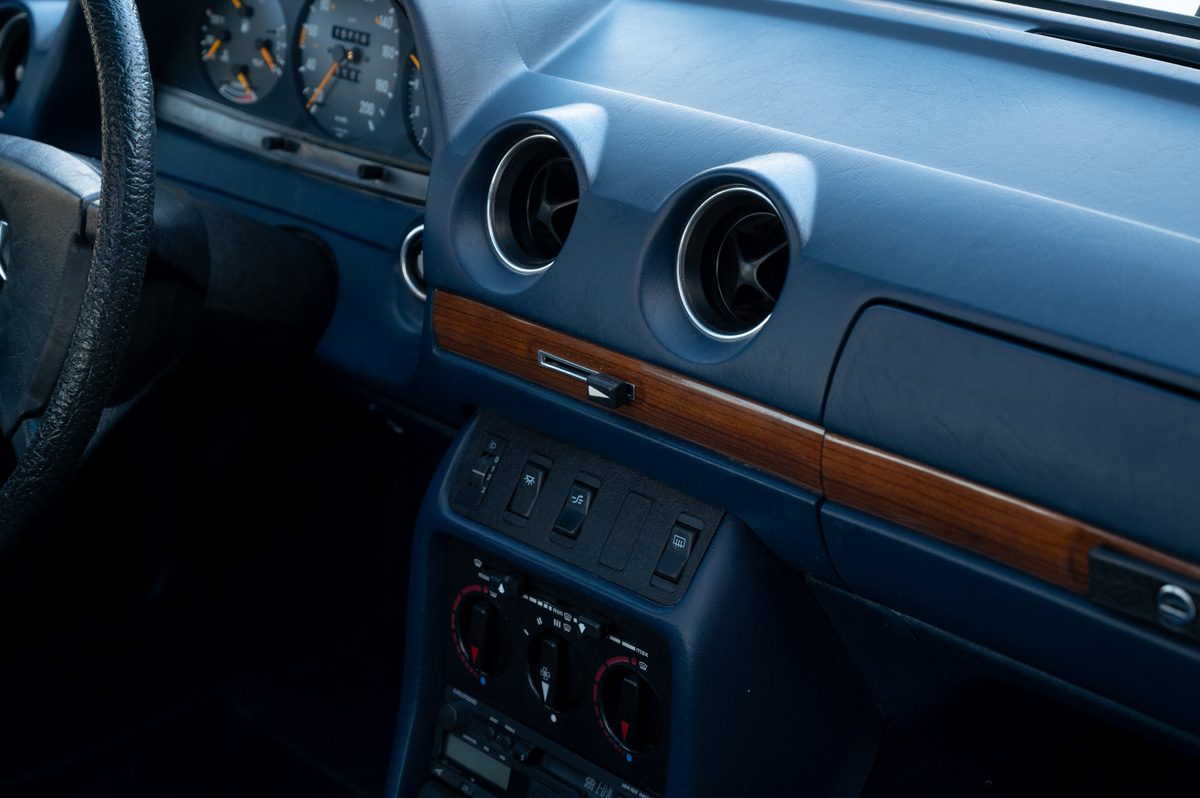
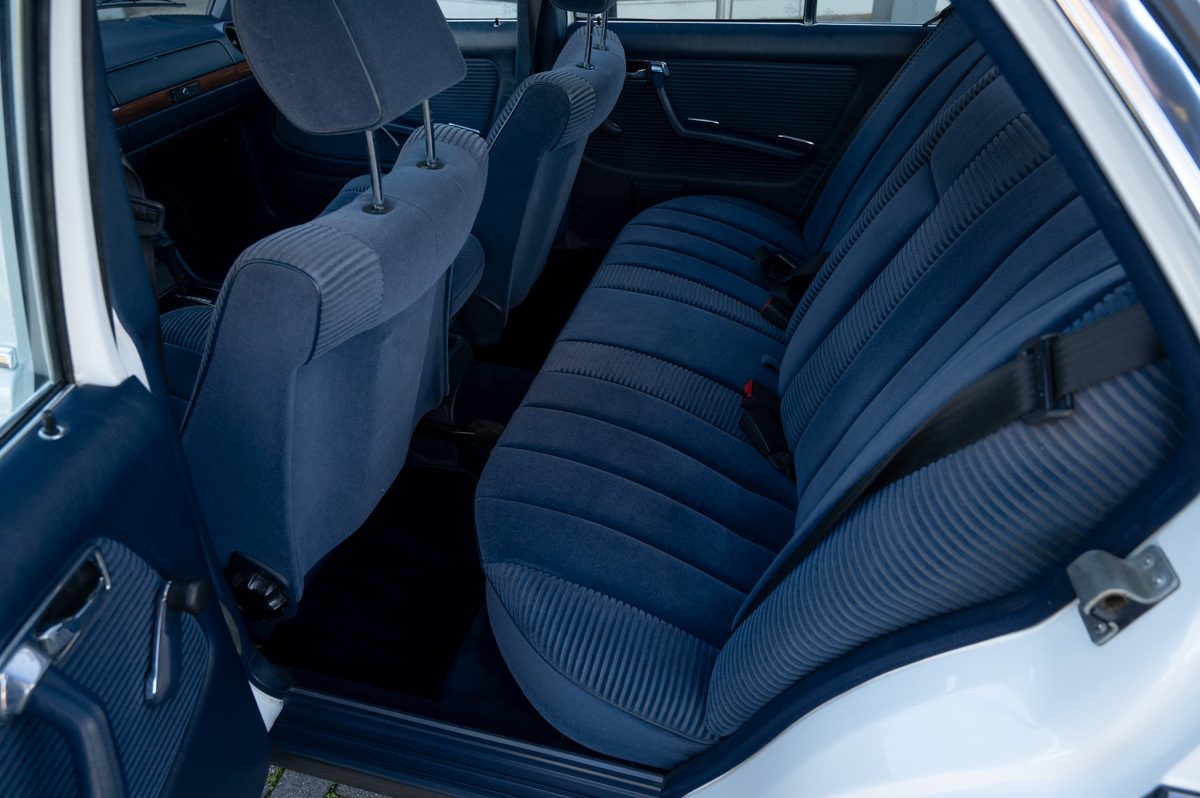
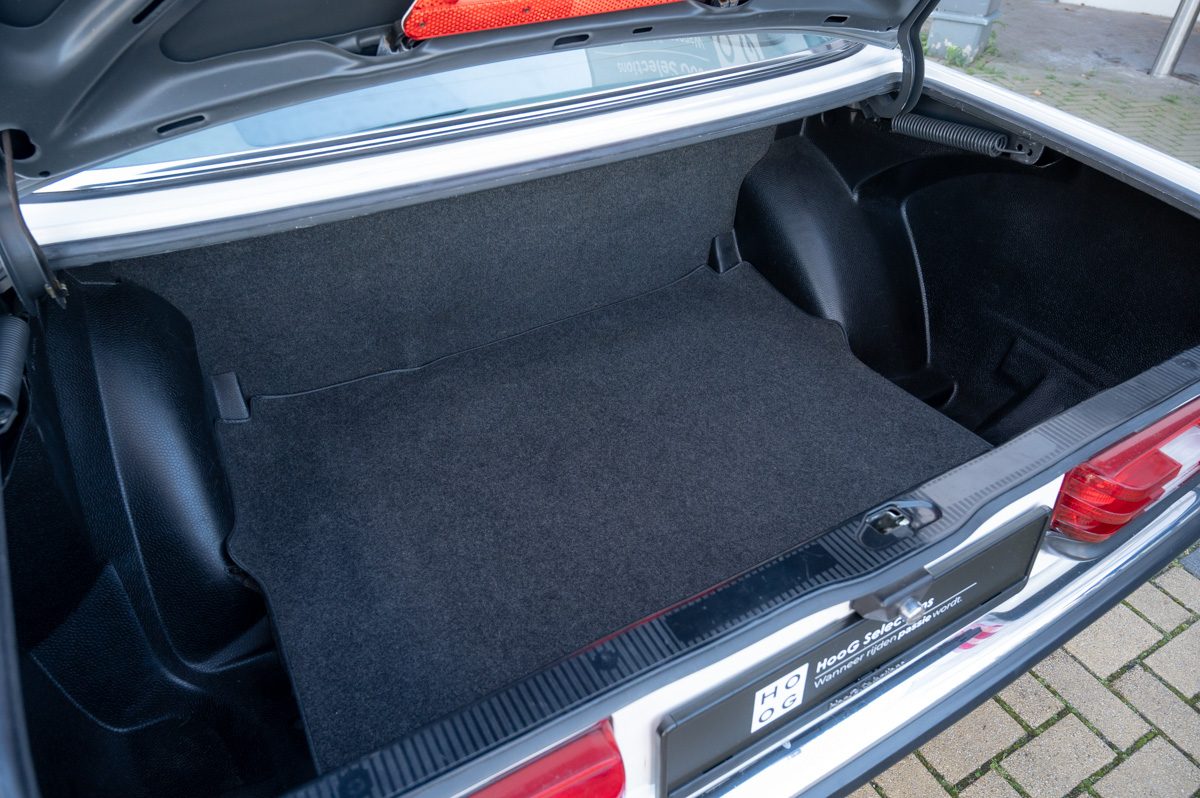
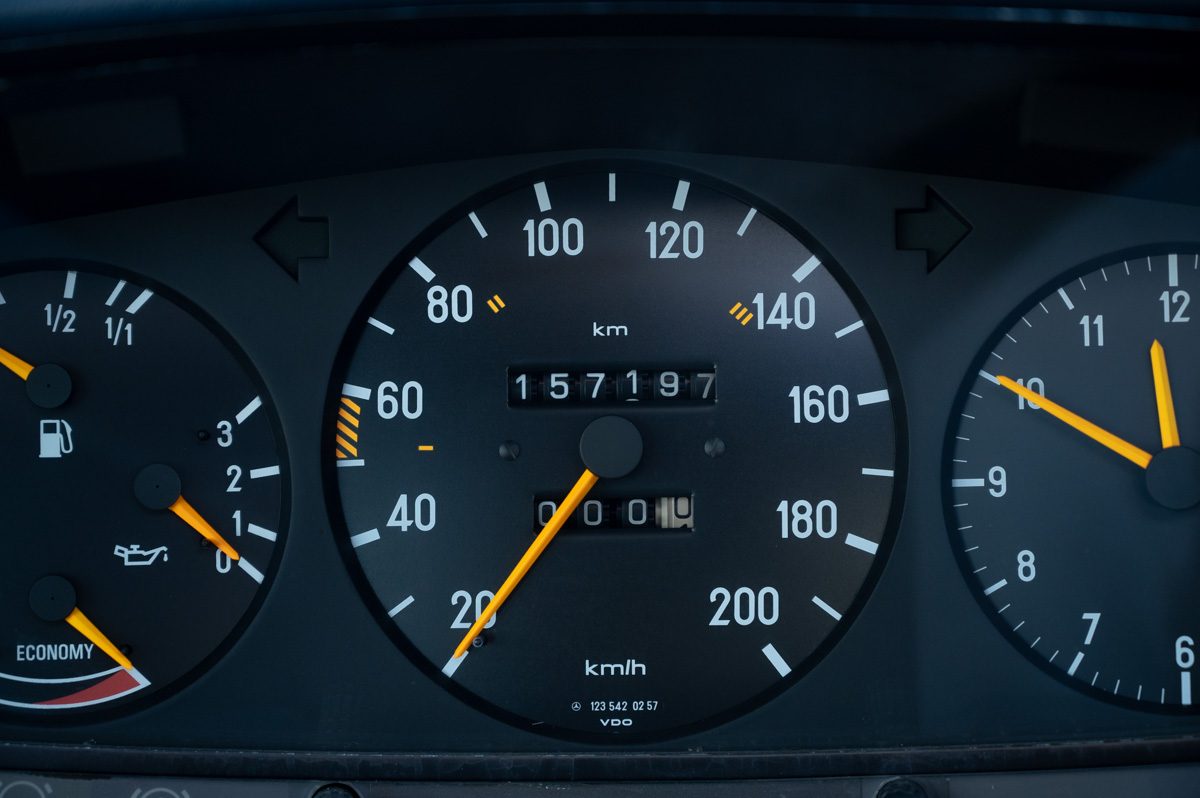
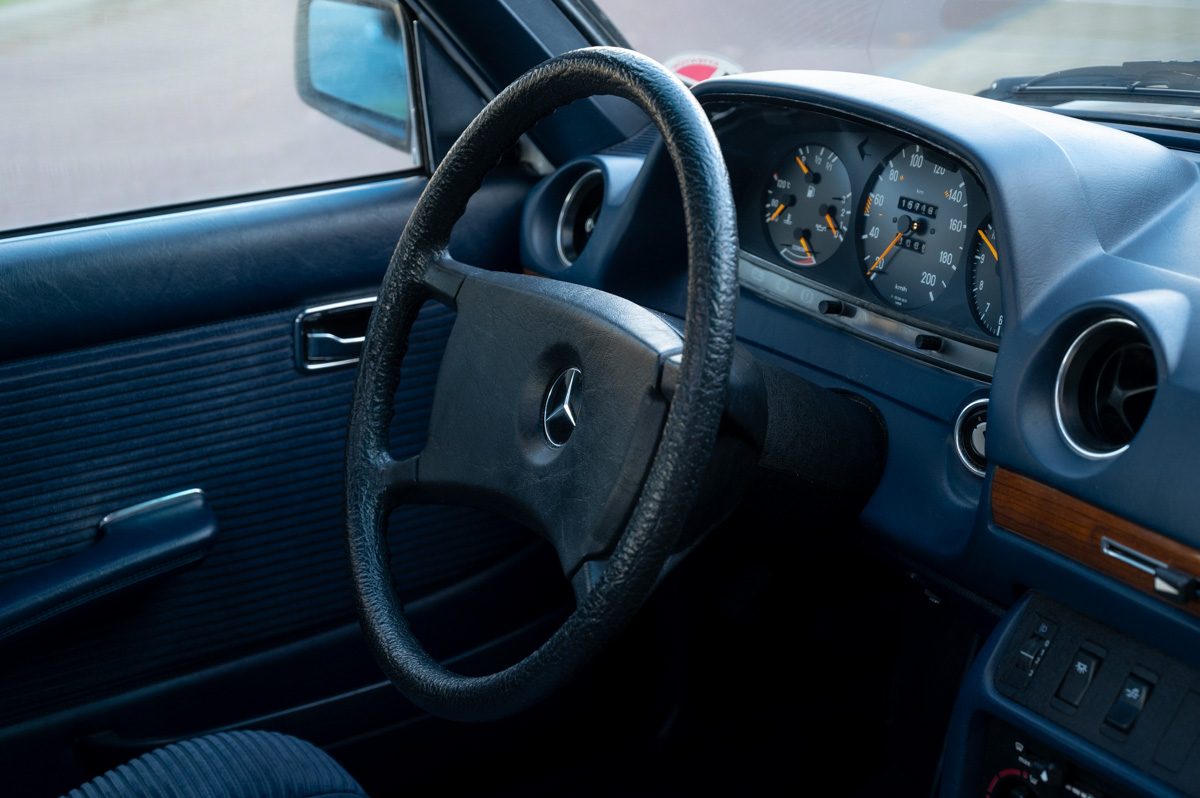
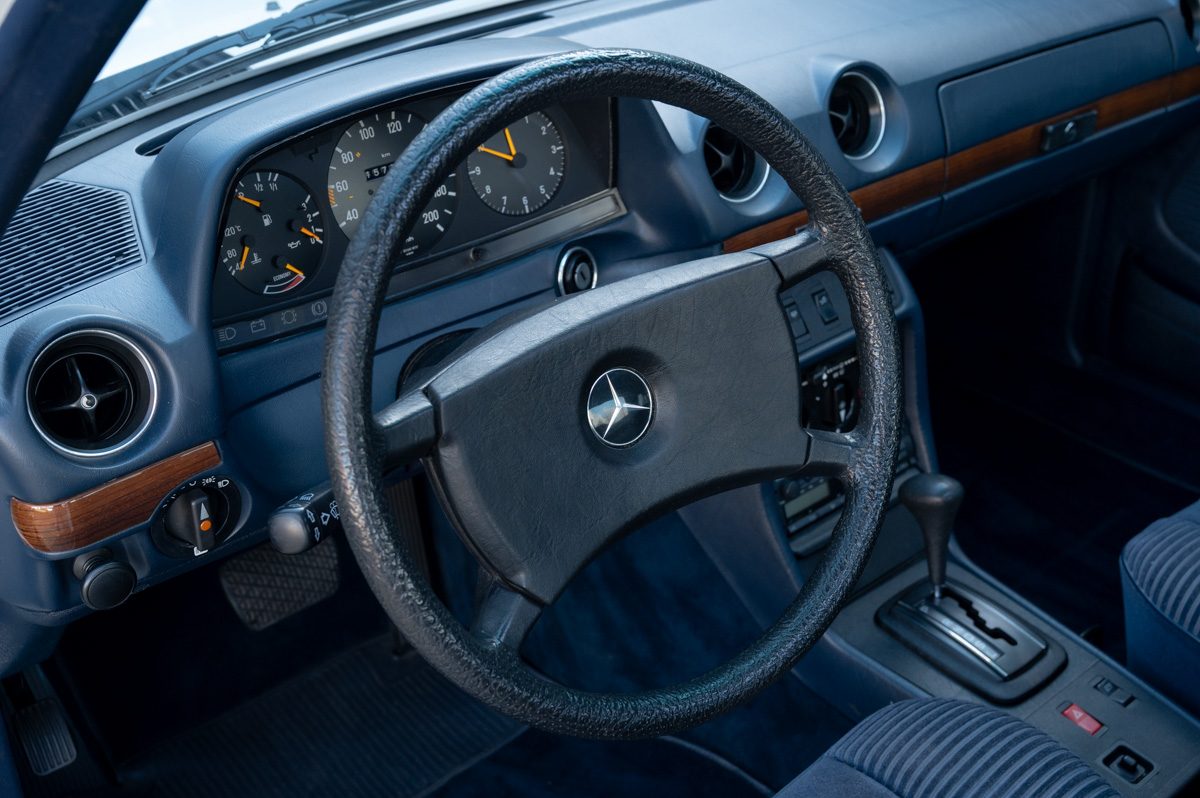
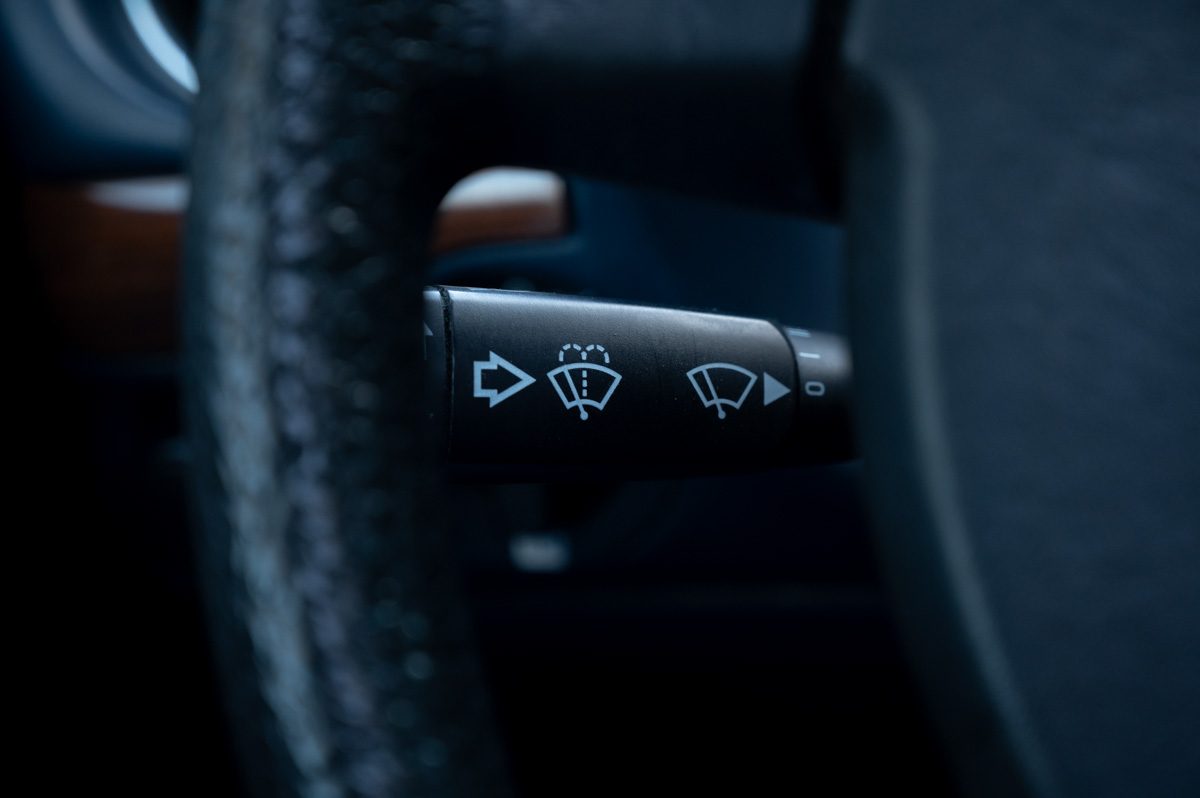
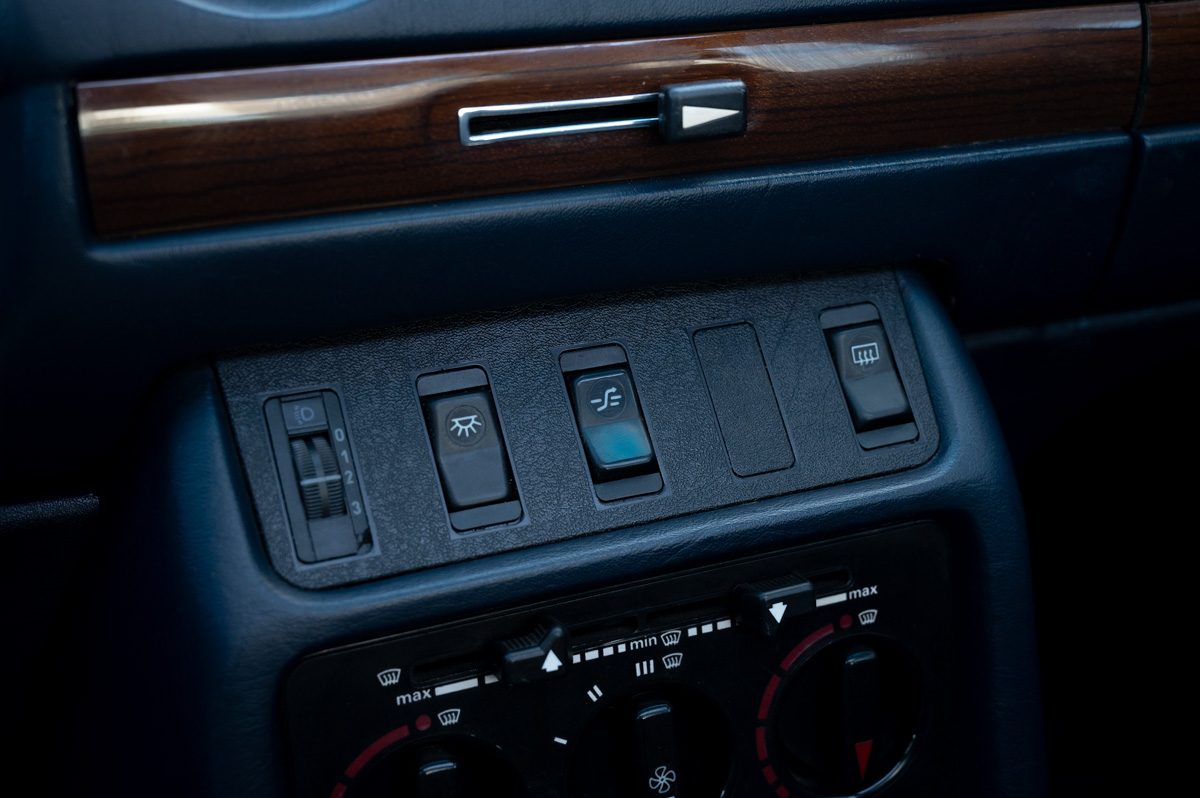
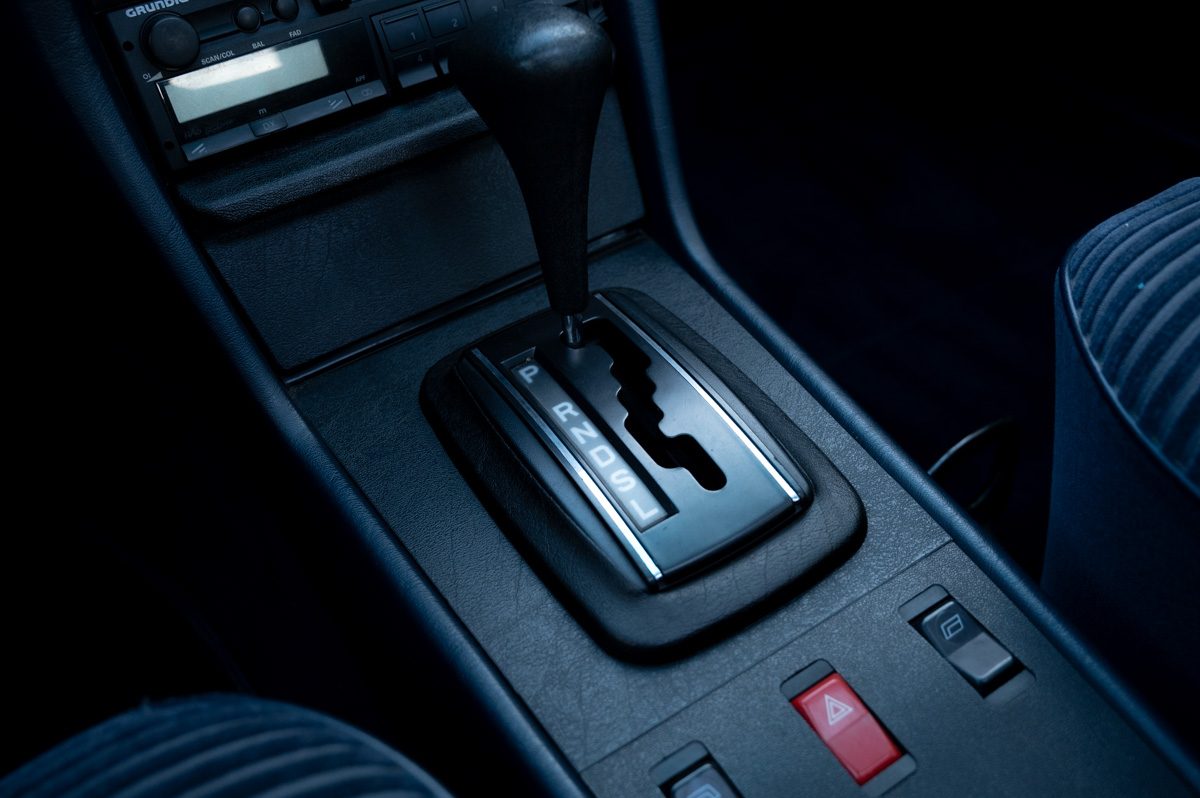
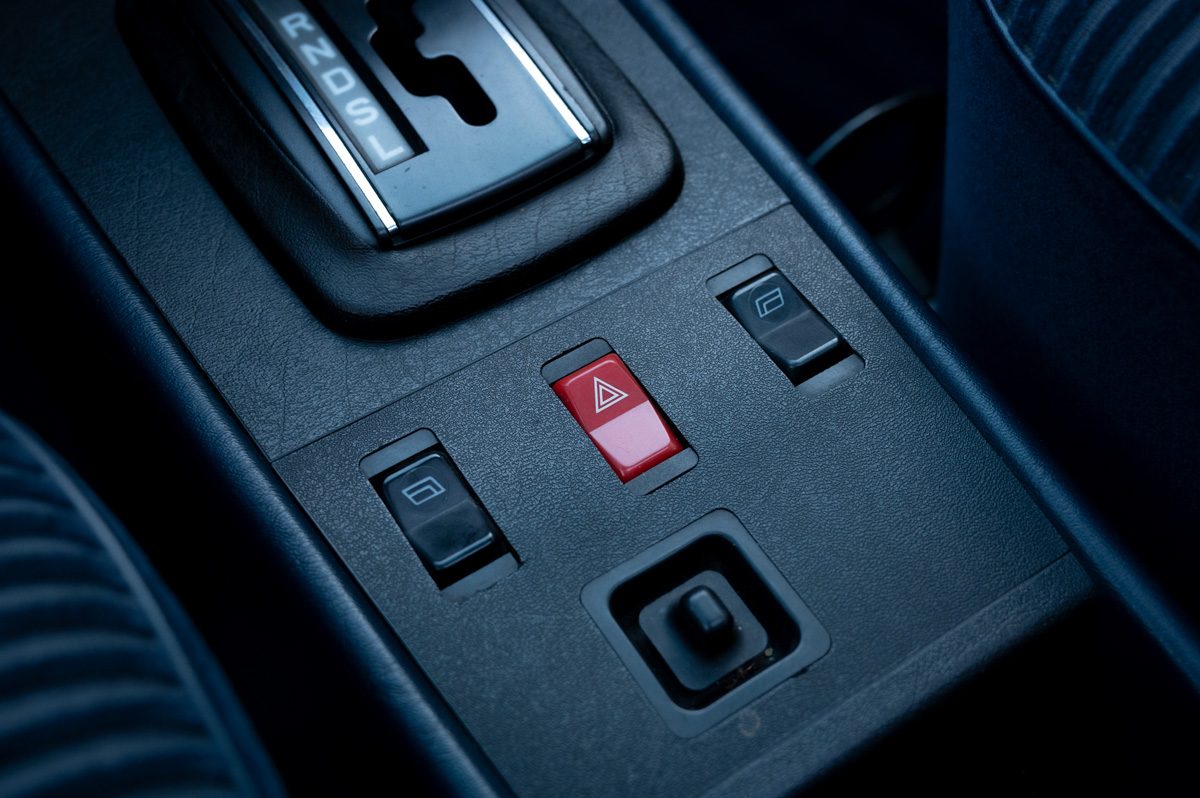
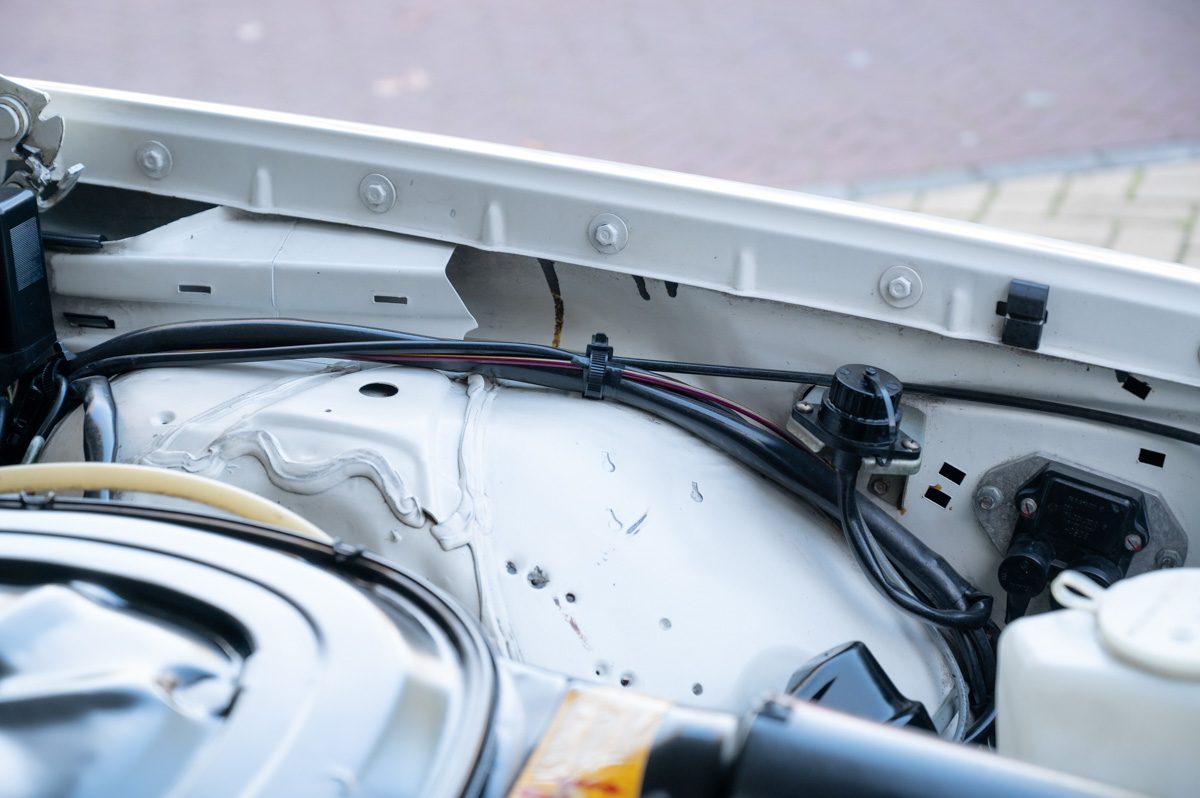
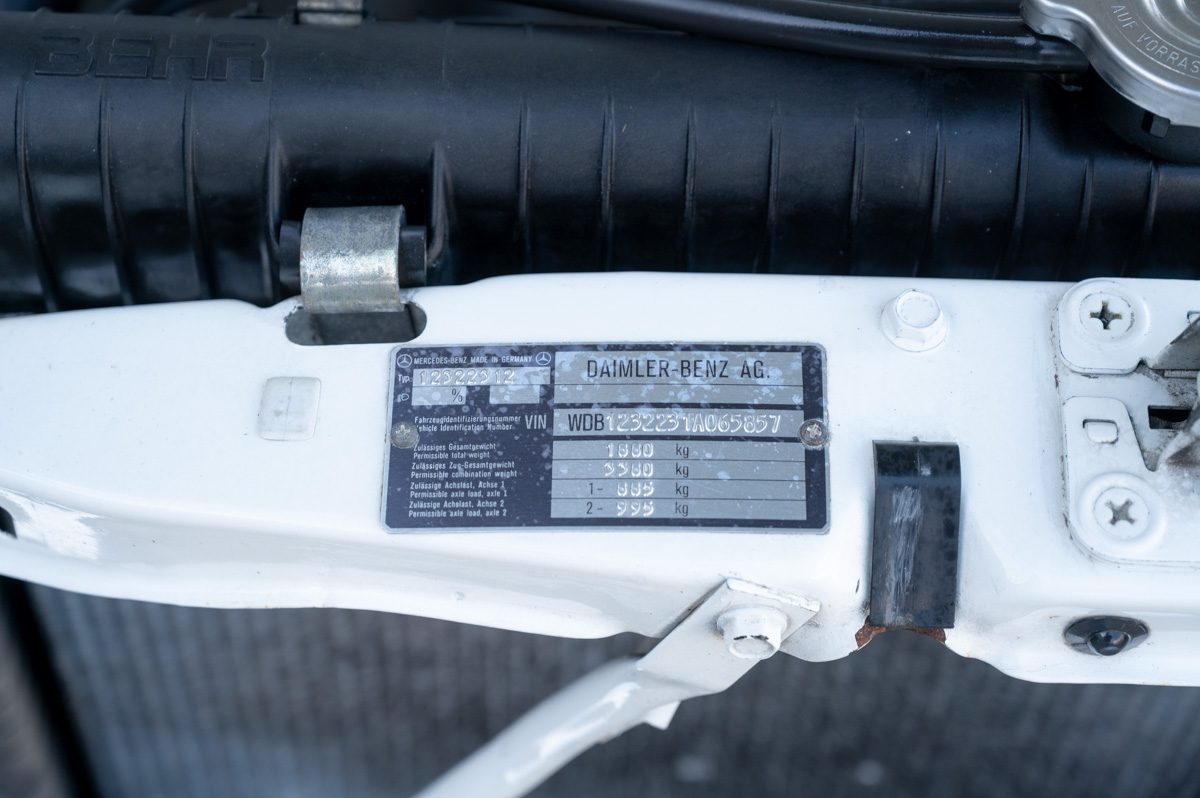
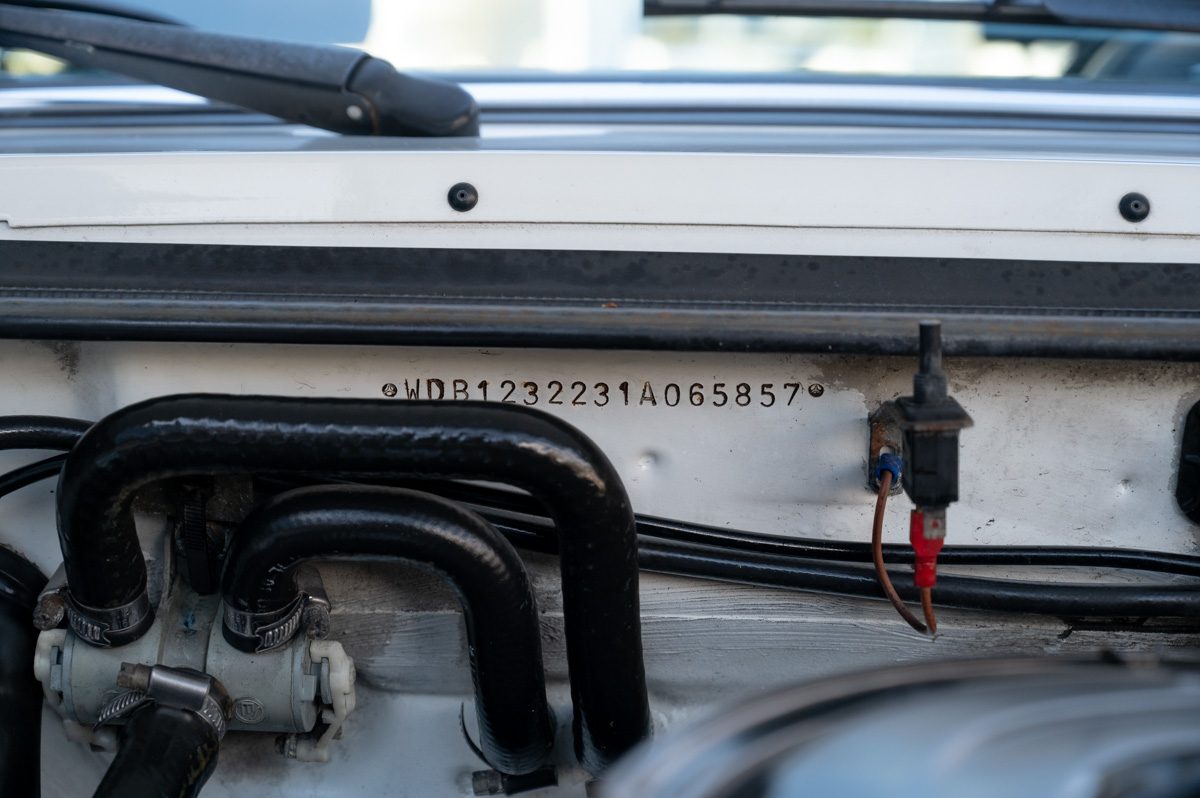
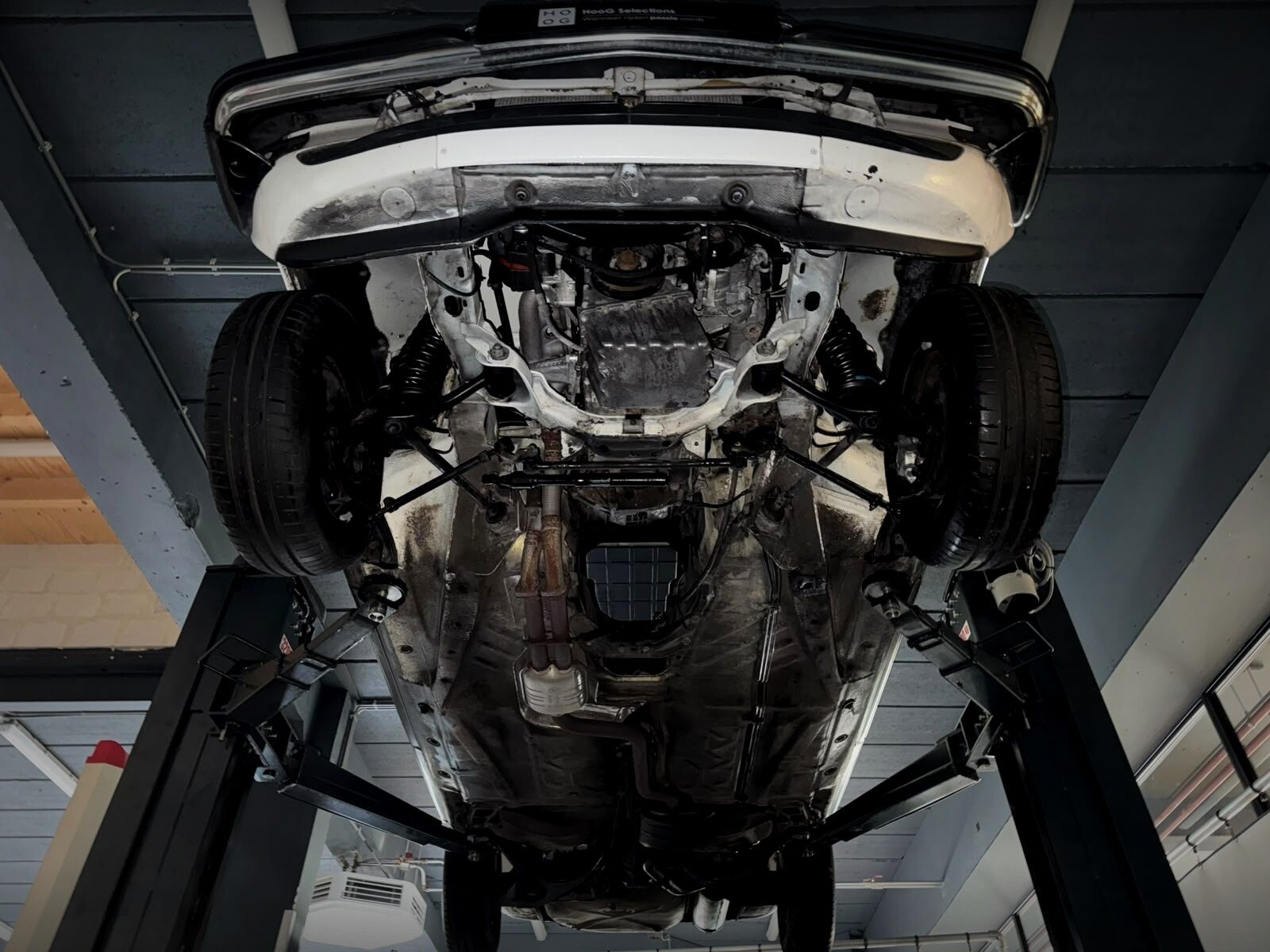
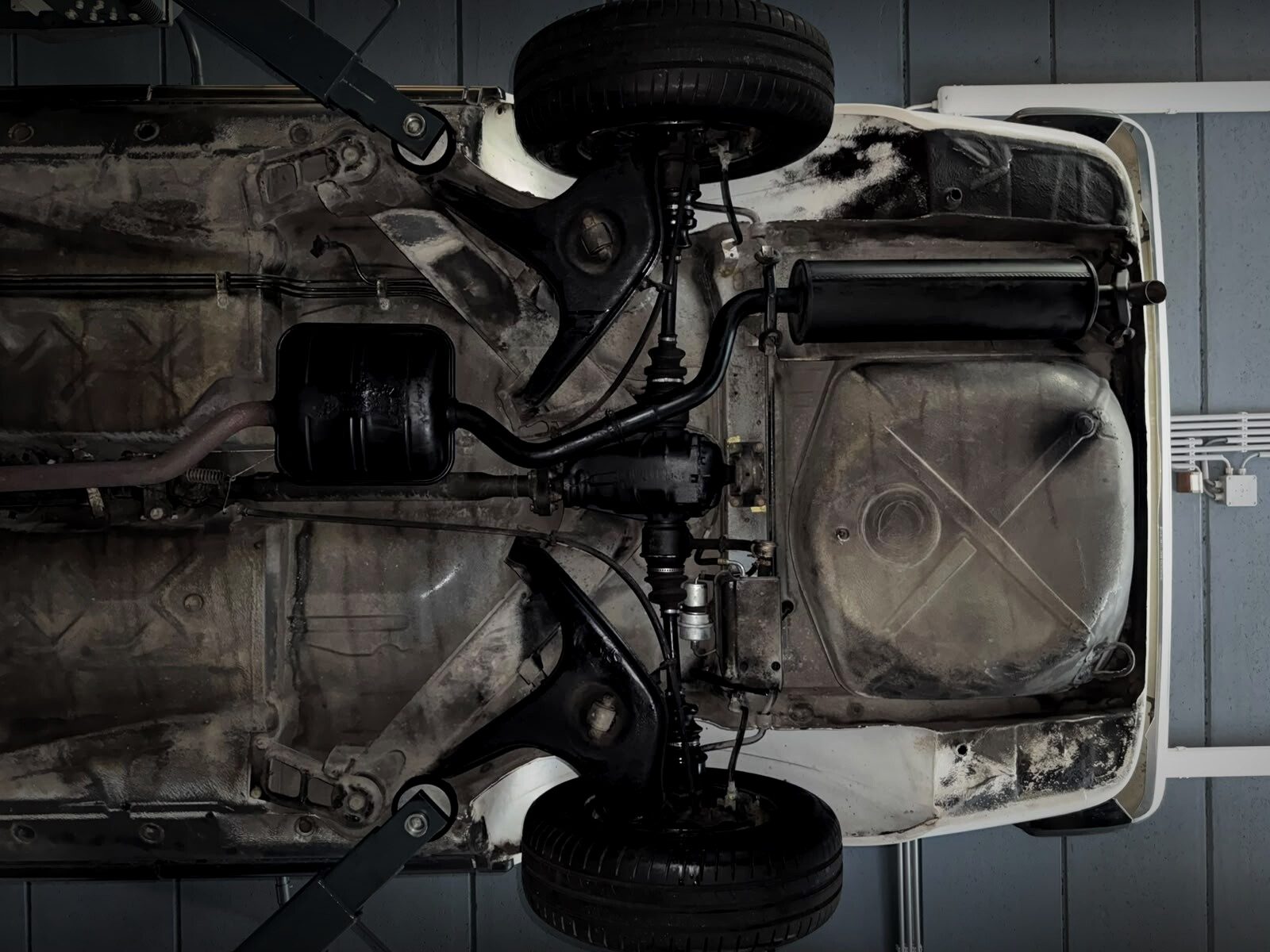
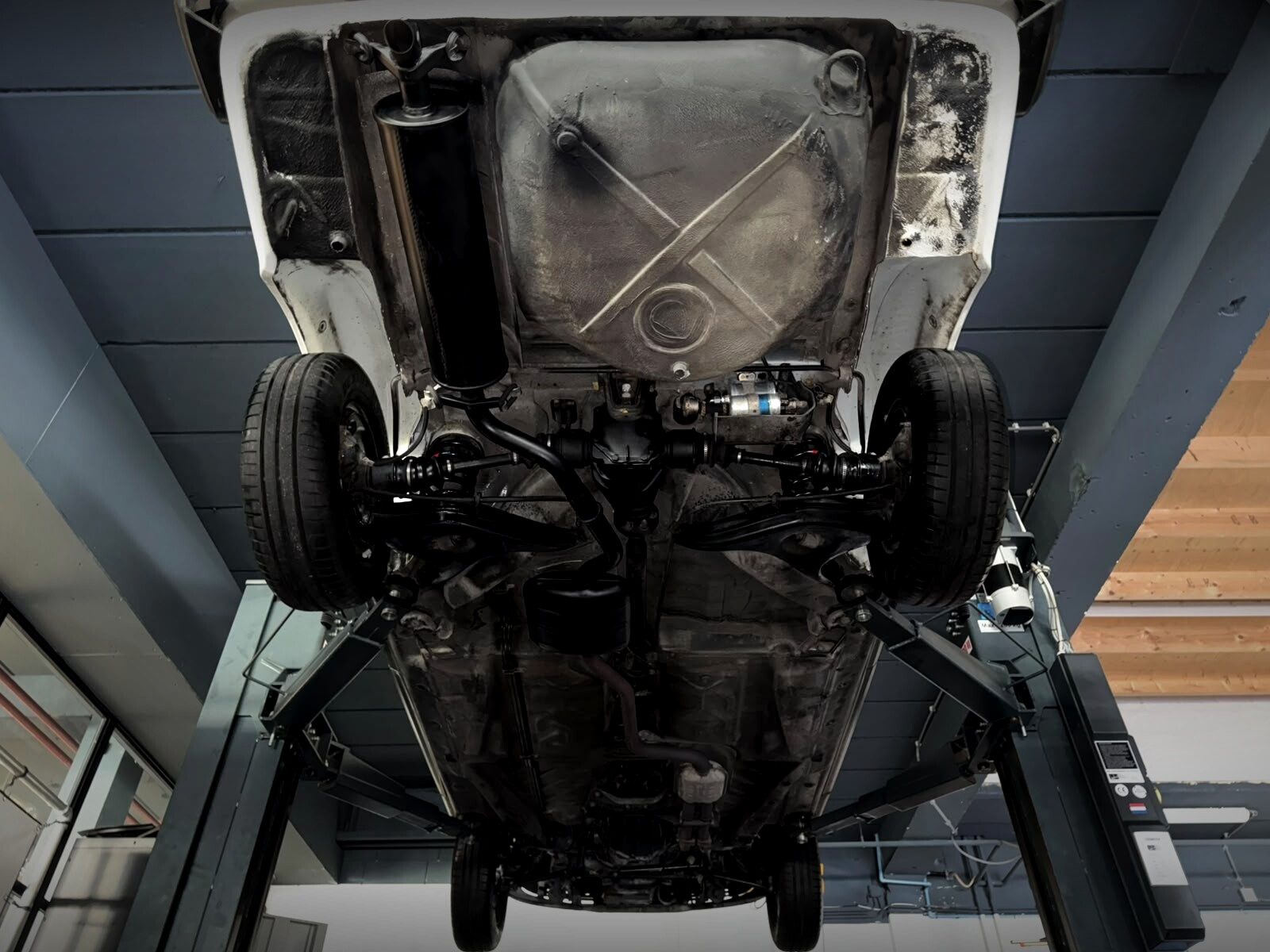
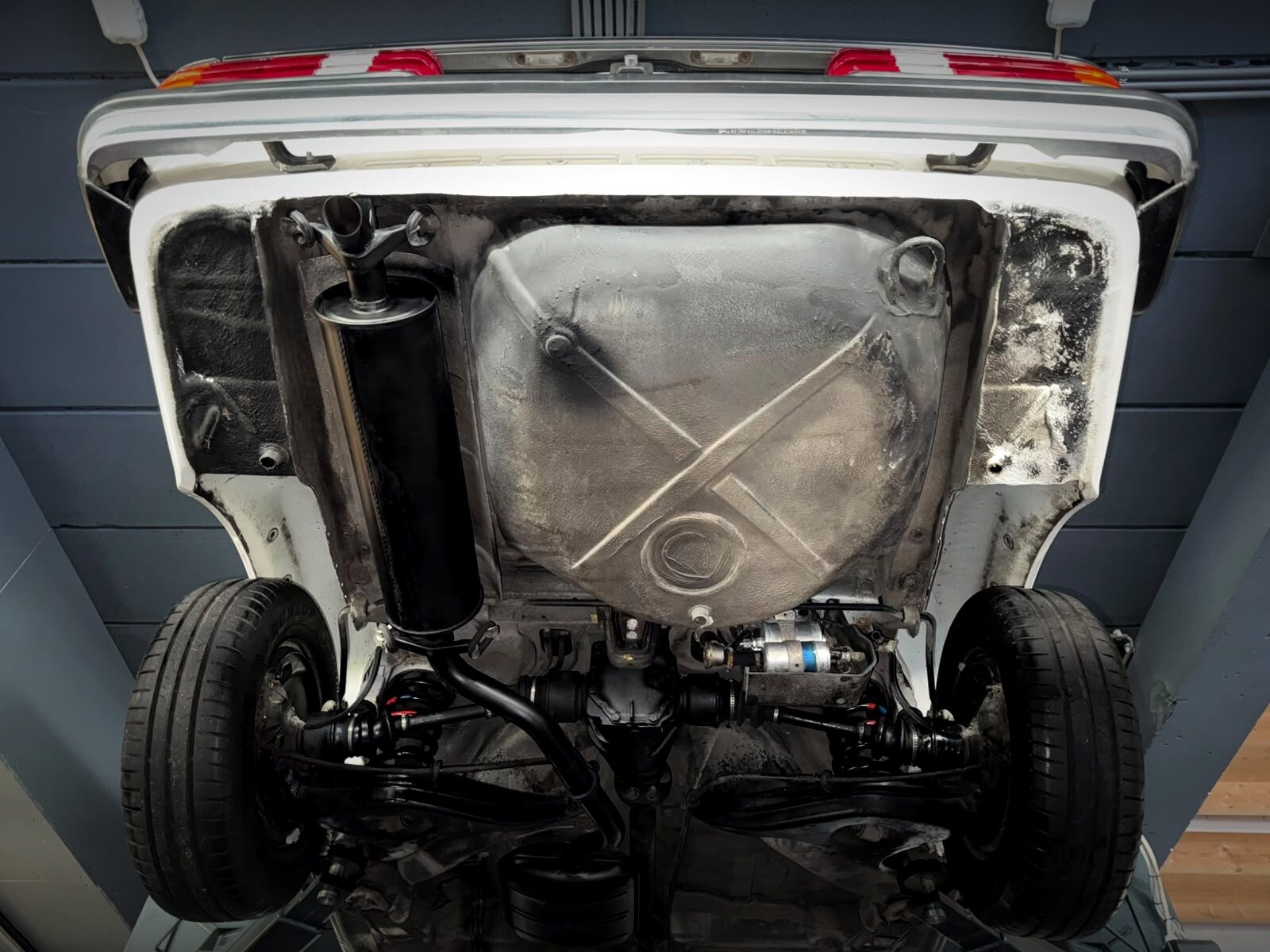
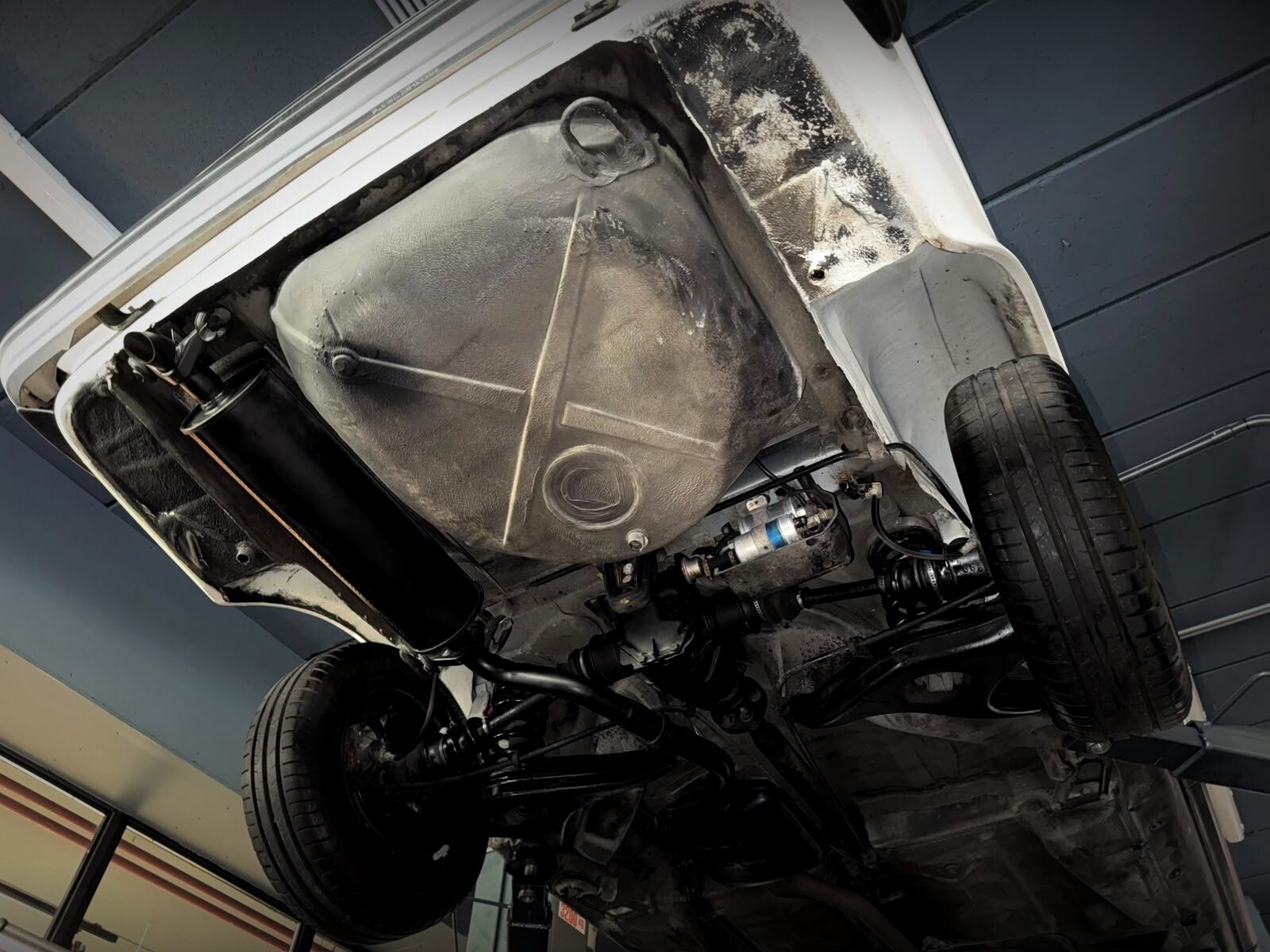
W123. For a lot of people, this is a car they associate with a Moroccan greengrocer's, a German taxi with two million on the clock, or an estate capable of relocating entire furniture showrooms in a single trip. And that's exactly the beauty of it: the W123 never had to shout for admiration. It simply did its job, decade after decade, with a kind of stoic dignity that a modern car loses after just three years, somewhere around the lease hand-back.
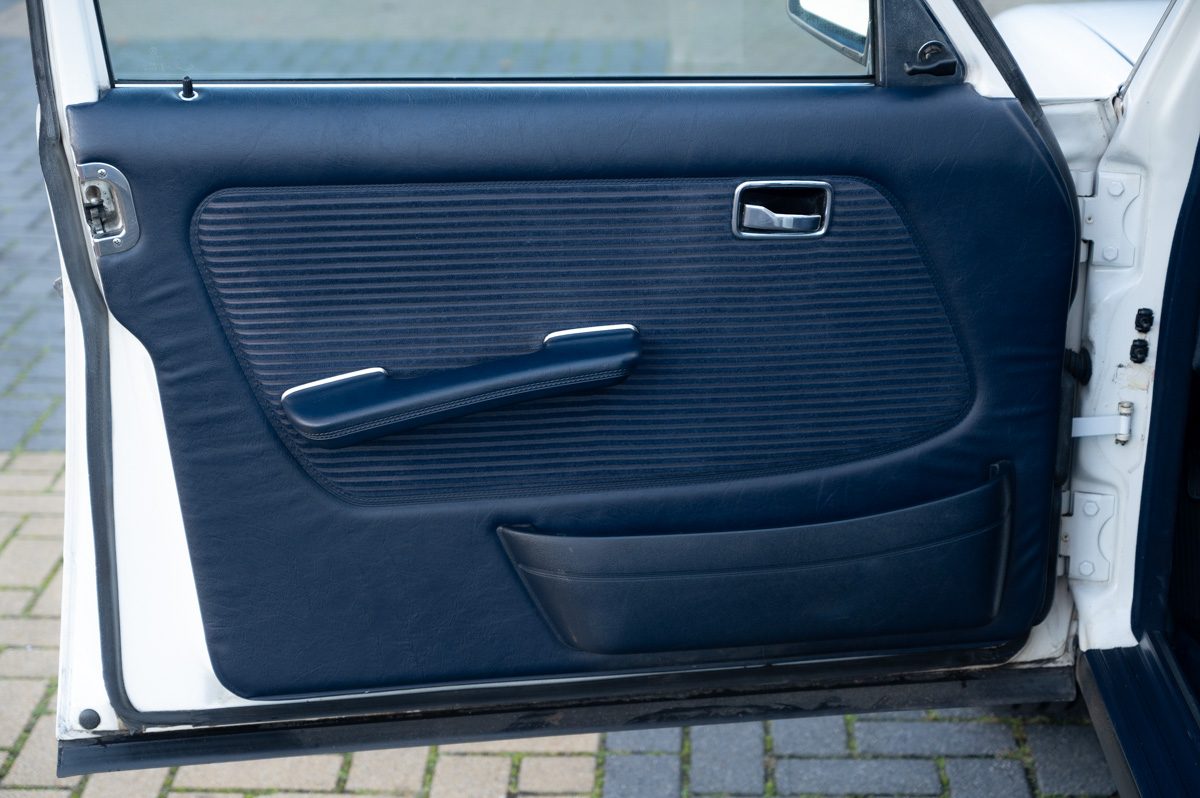
My grandfather didn't drive one, he was religiously devoted to Alfa Romeo, but my parents' neighbour did. A man who washed his 230E every Saturday morning as though it were a sacrament, with a chamois leather he'd apparently inherited from his own father. What I remember most is the sound of those doors. That heavy, muffled 'thunk', as if you were pulling shut the door of a bank vault. These days modern cars try to recreate that sound with speakers and software. Mercedes actually built it in back in 1983, out of steel and German stubbornness.
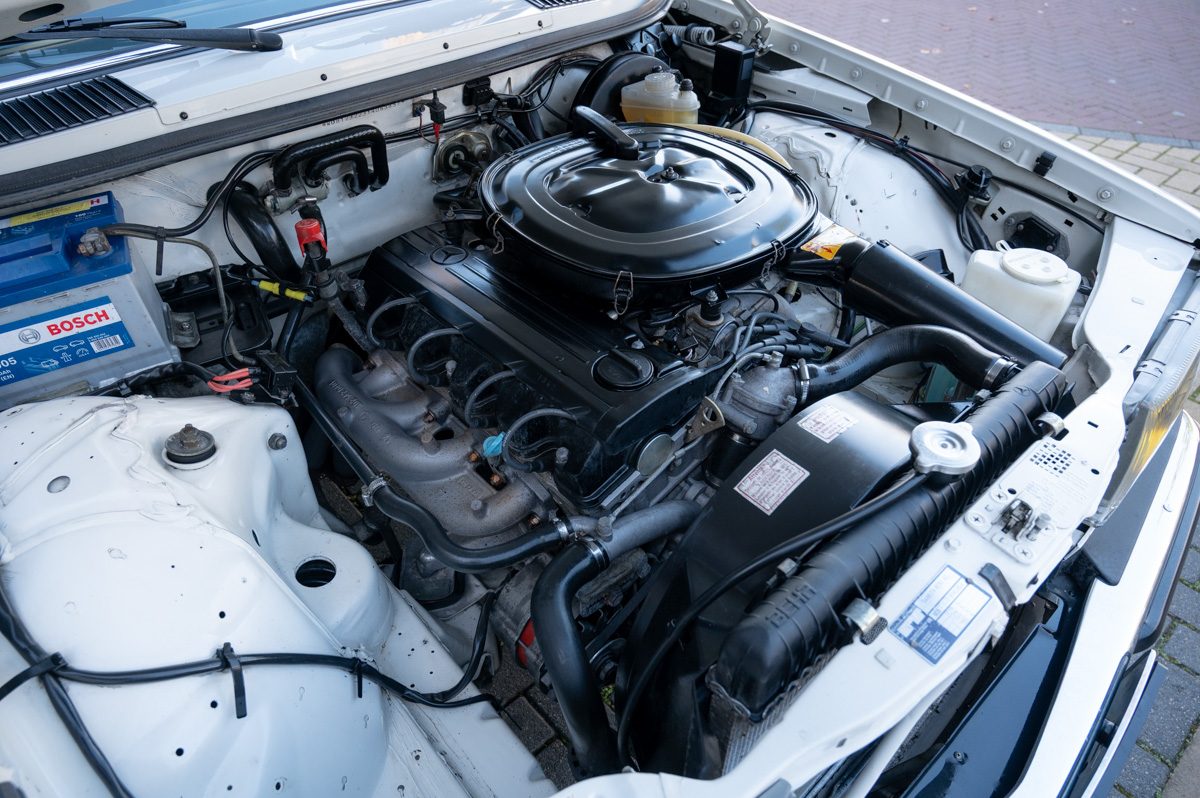
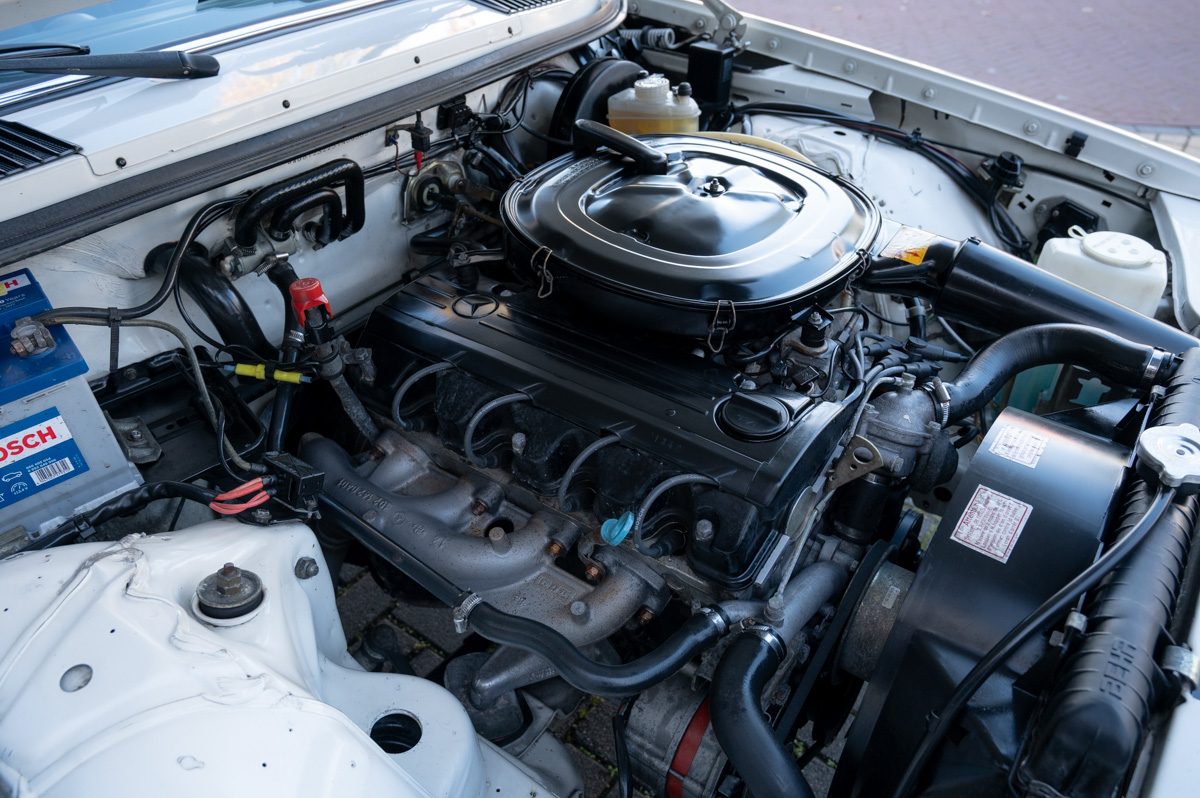
The W123 was launched in 1976 as the successor to the 'Strich-Acht', the W114 and W115. A car Mercedes-Benz built on the principle that dying simply wasn't on the schedule. Over-engineered to the point of absurdity. The 230E, with its four-cylinder petrol engine and Bosch K-Jetronic injection, was the sensible, solid middle of the range.
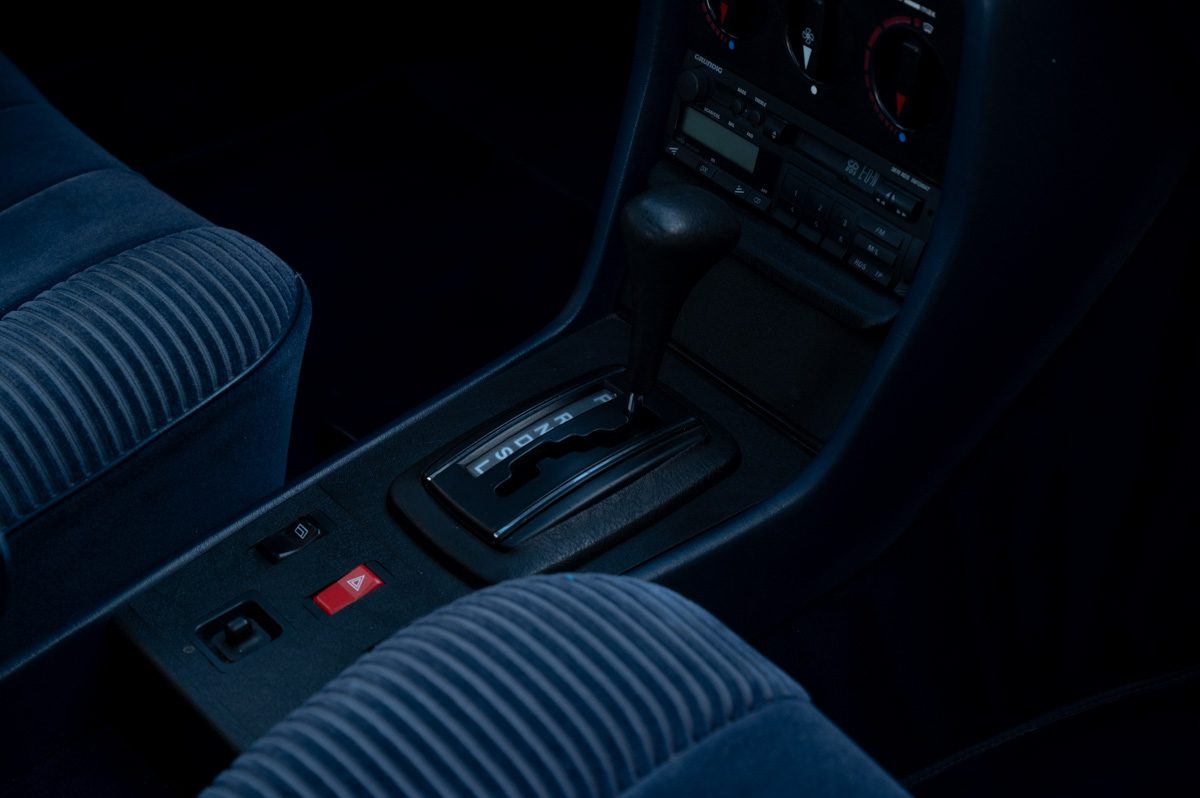
No rattling diesel, no showy straight-six, but exactly enough: 136 bhp, neatly mated to an automatic that shifts with the enthusiasm of a German civil servant who knows his pension is guaranteed. And that is a compliment.
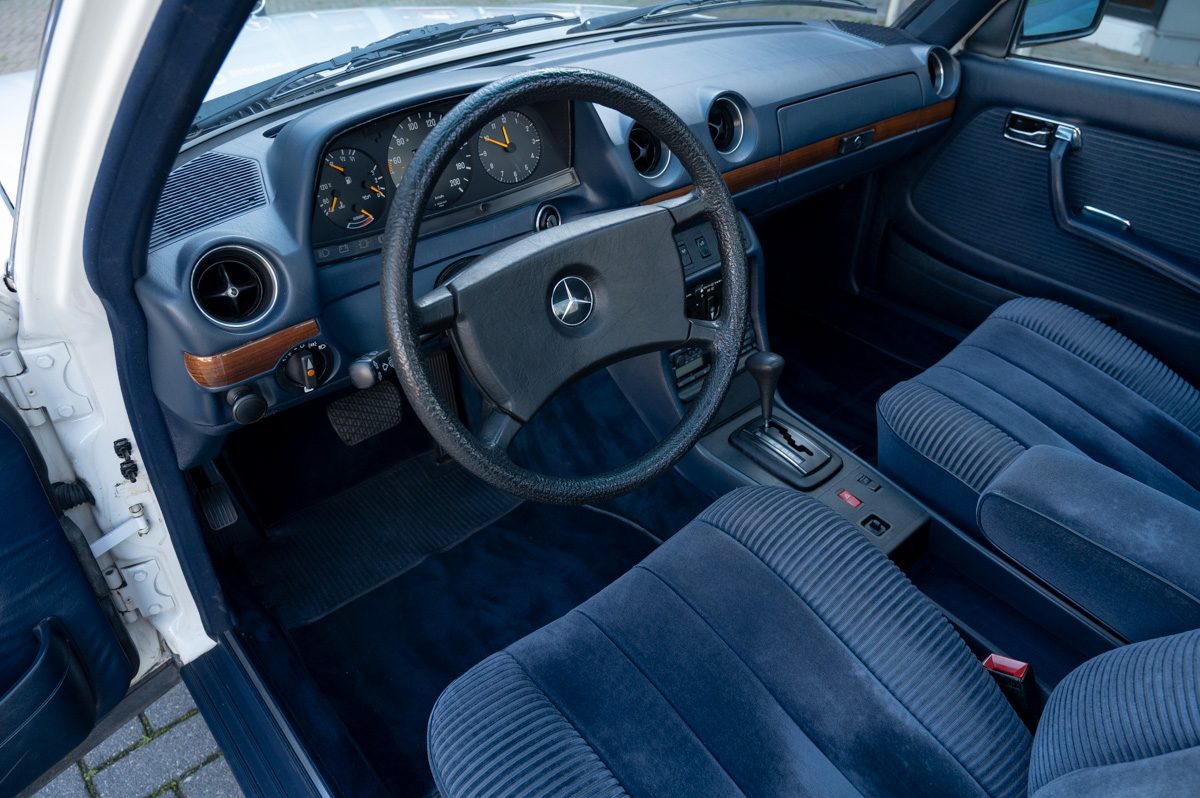
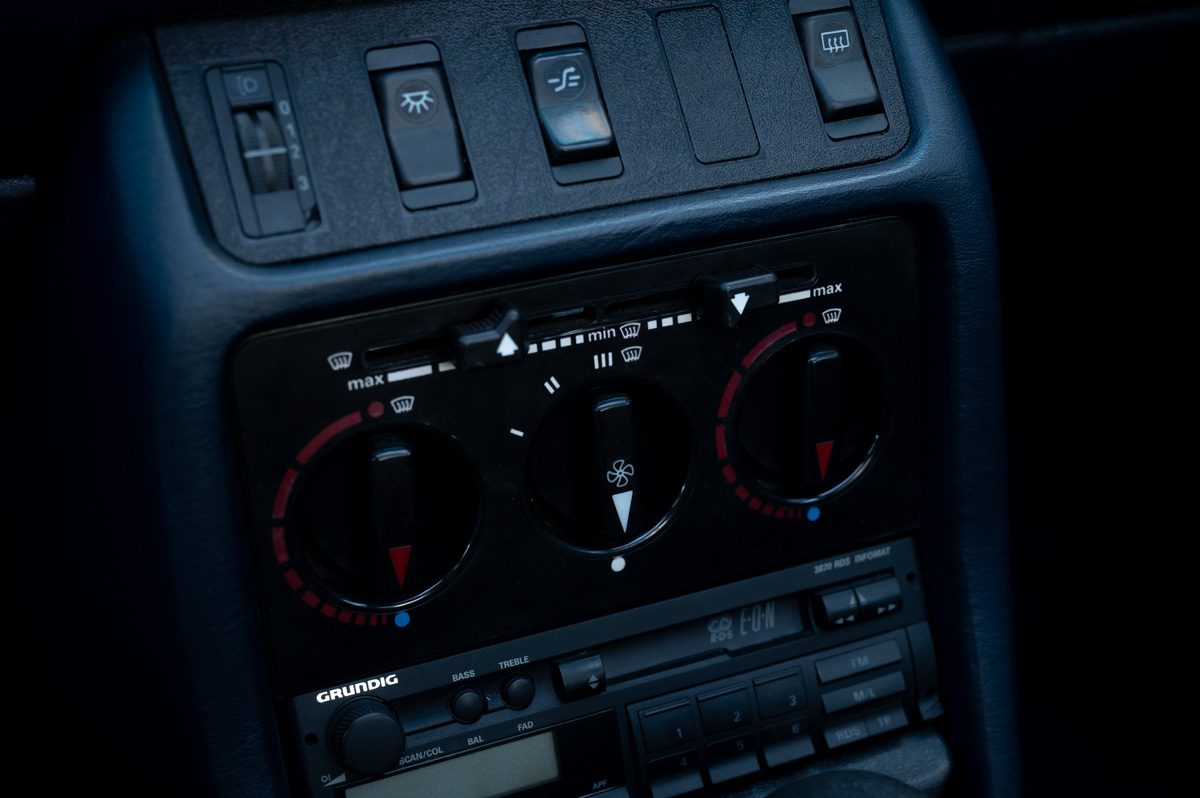
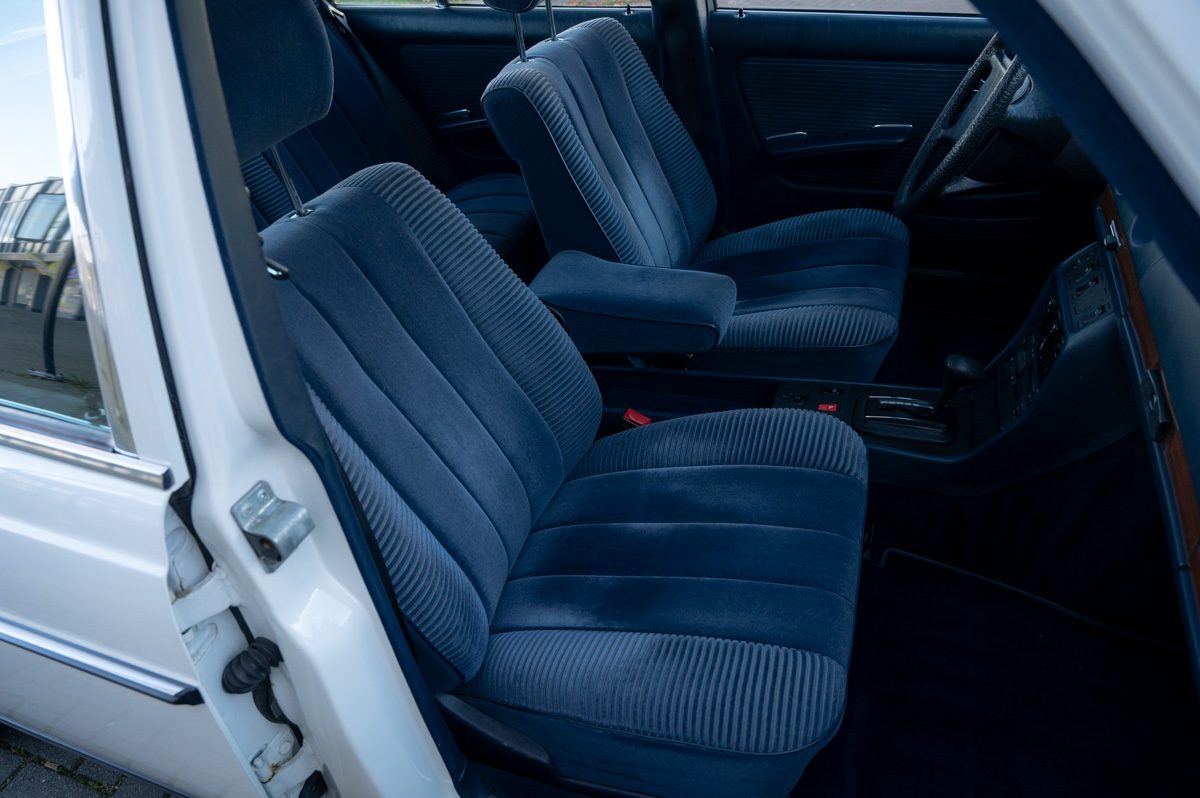
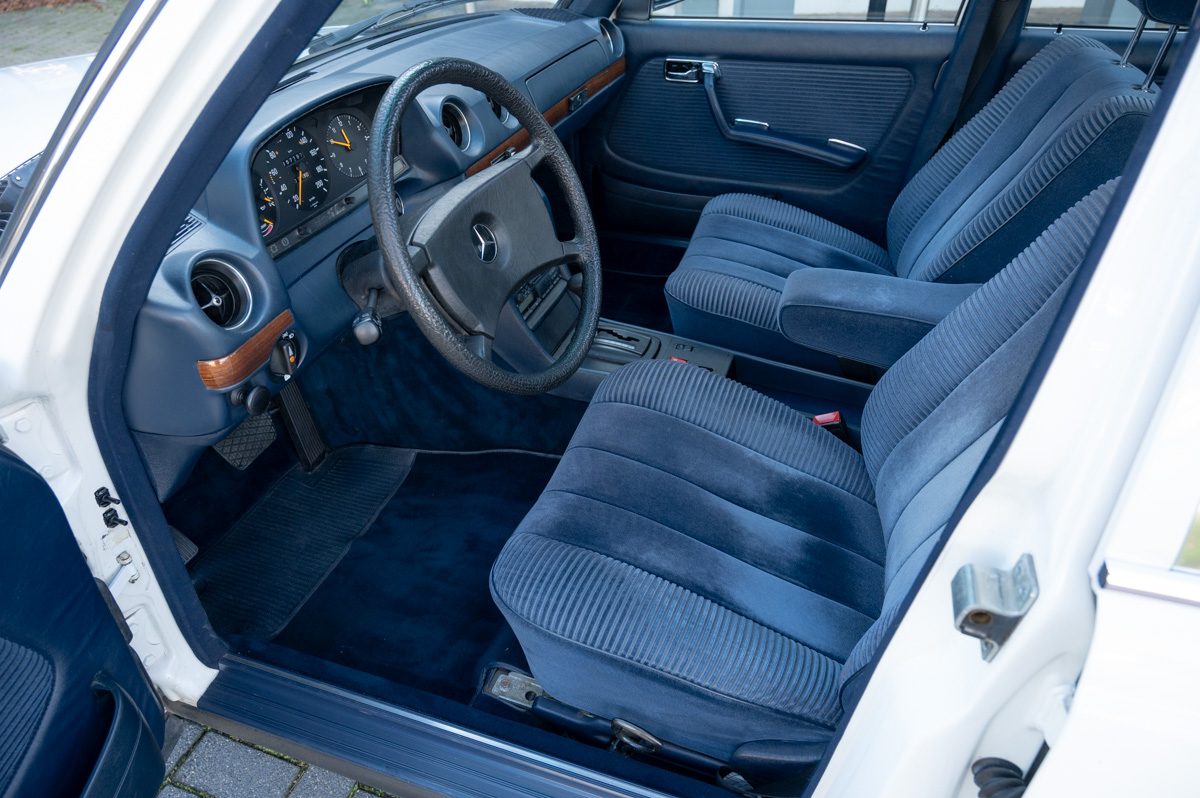
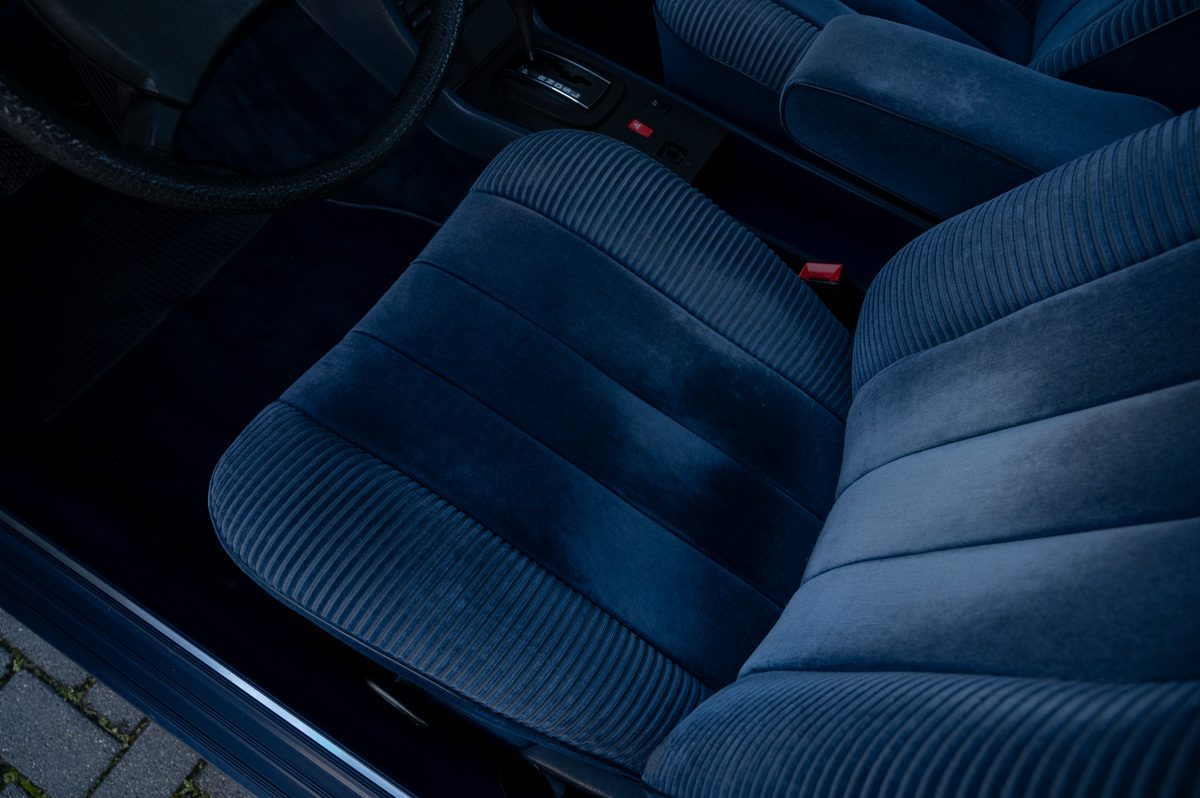
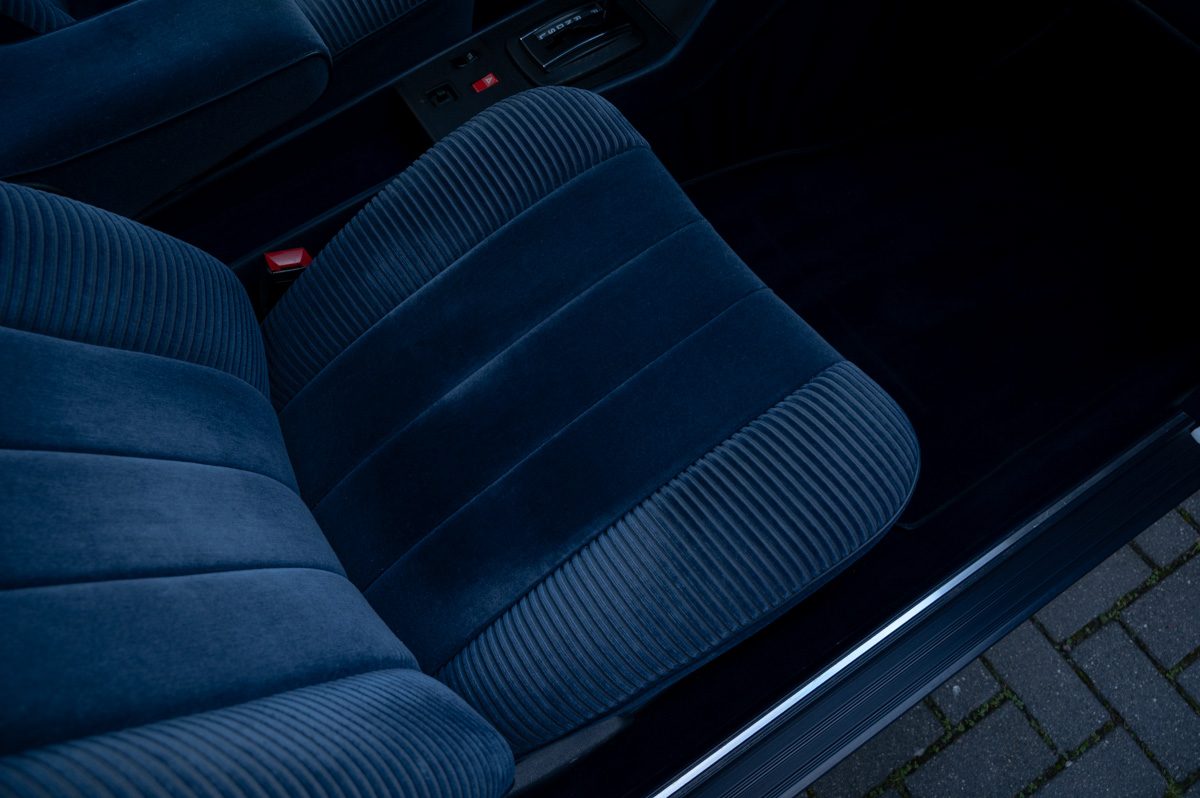
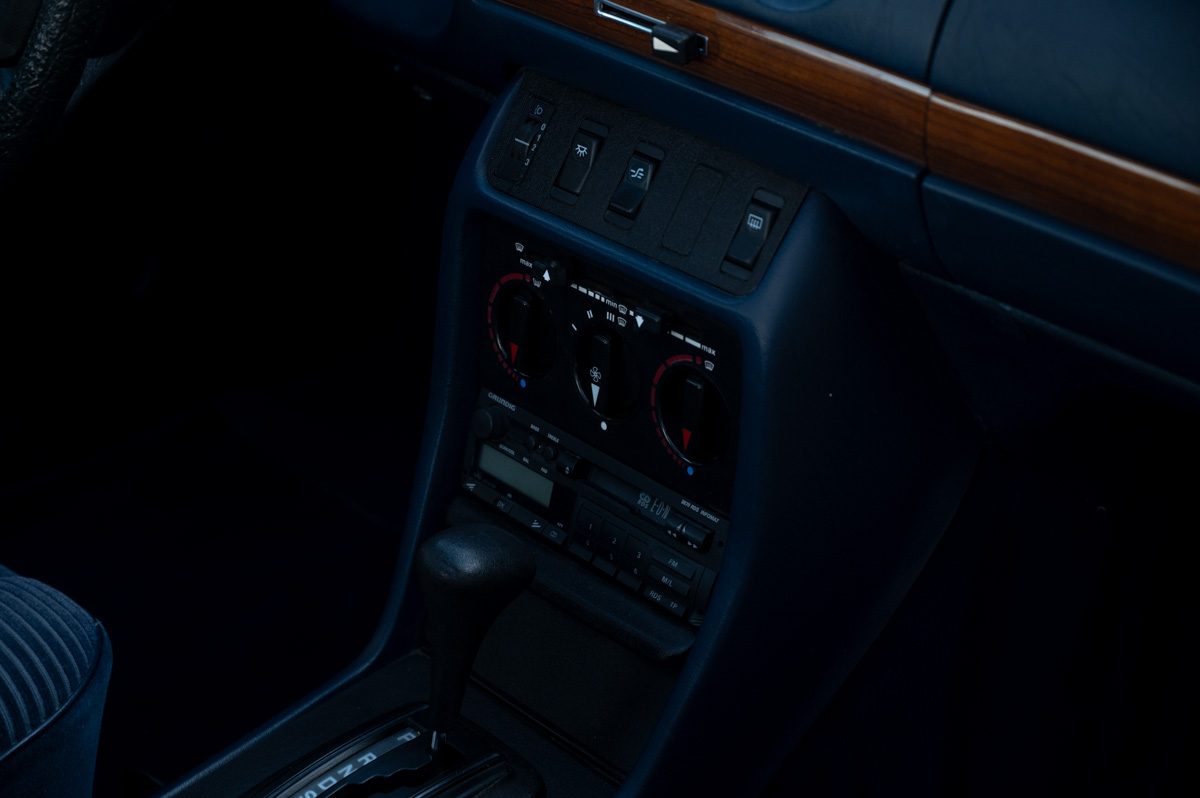
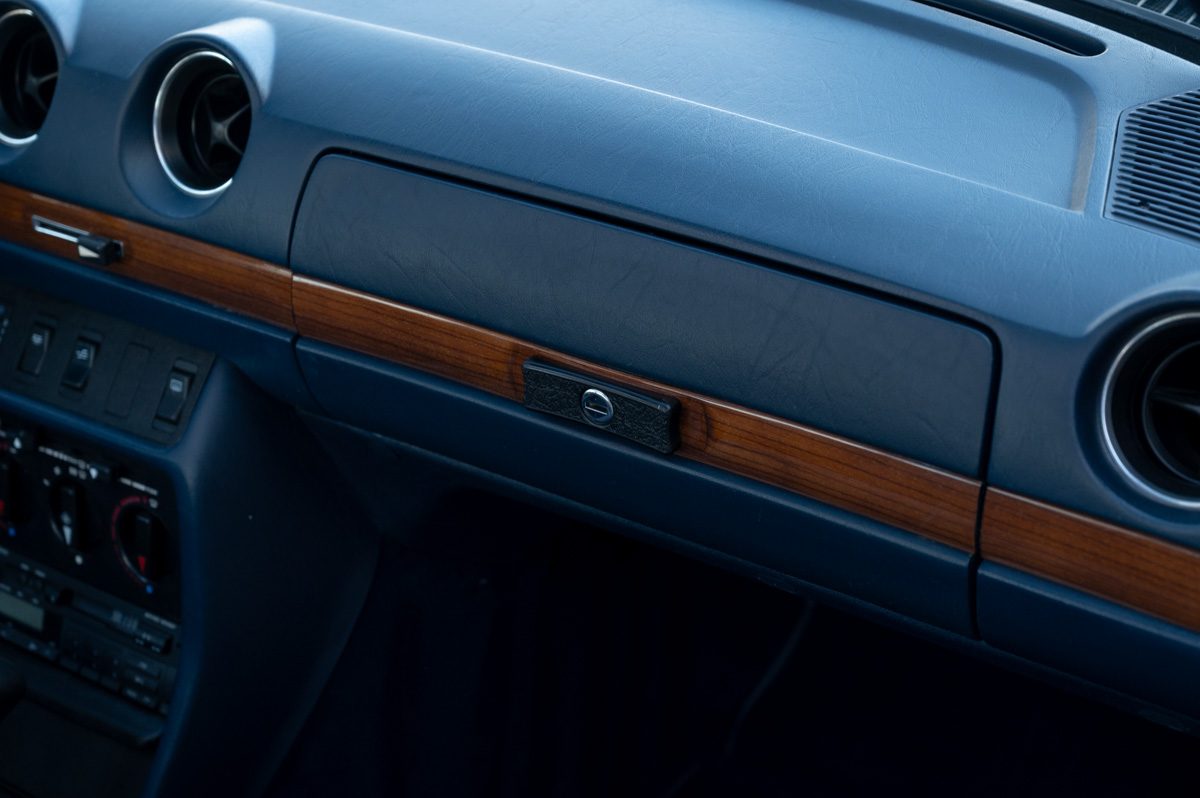
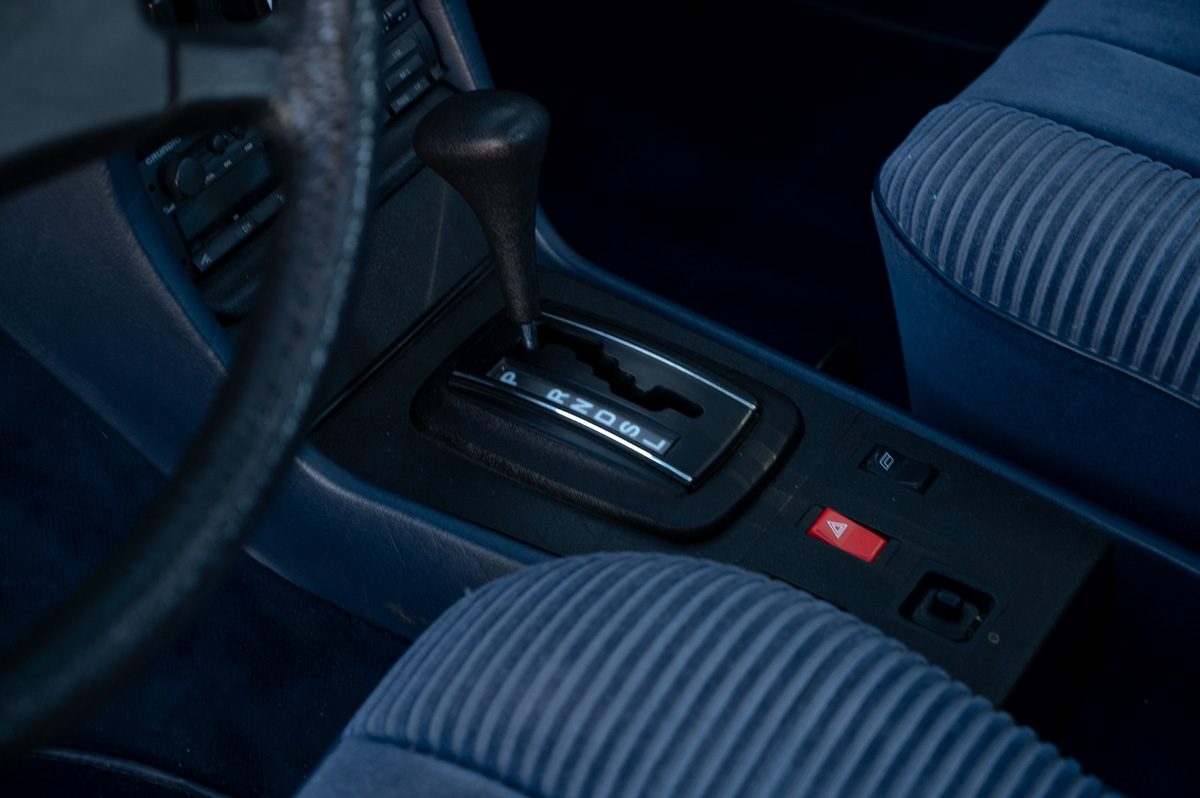
Right, back to the Mercedes standing here with us. A 230E from December 1983, in Arctic White, with an interior that breathes the atmosphere of an era when you'd still light up a cigar on your way to the solicitor's. Automatic, power steering, brake servo, a centre armrest that cradles your elbow perfectly, and an automatic aerial that hums its way up the moment you switch on the radio. Little things, but it's precisely those little things that make a classic.
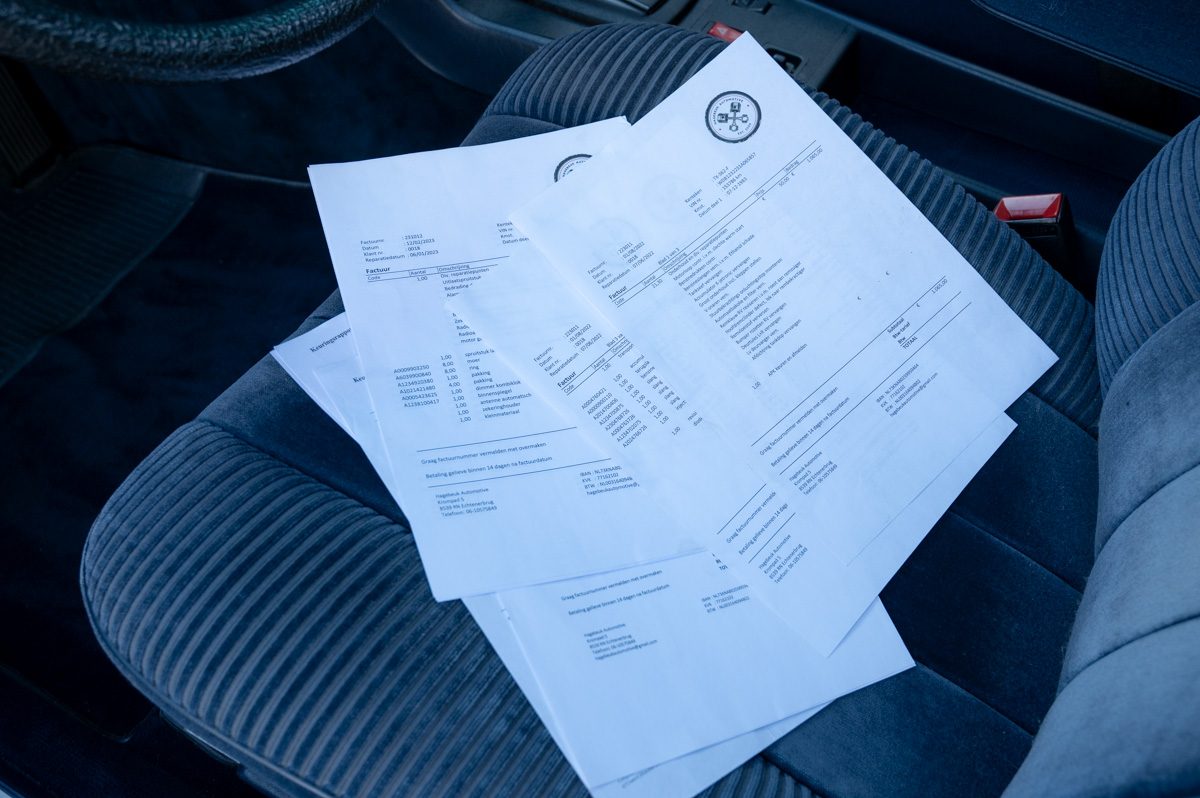
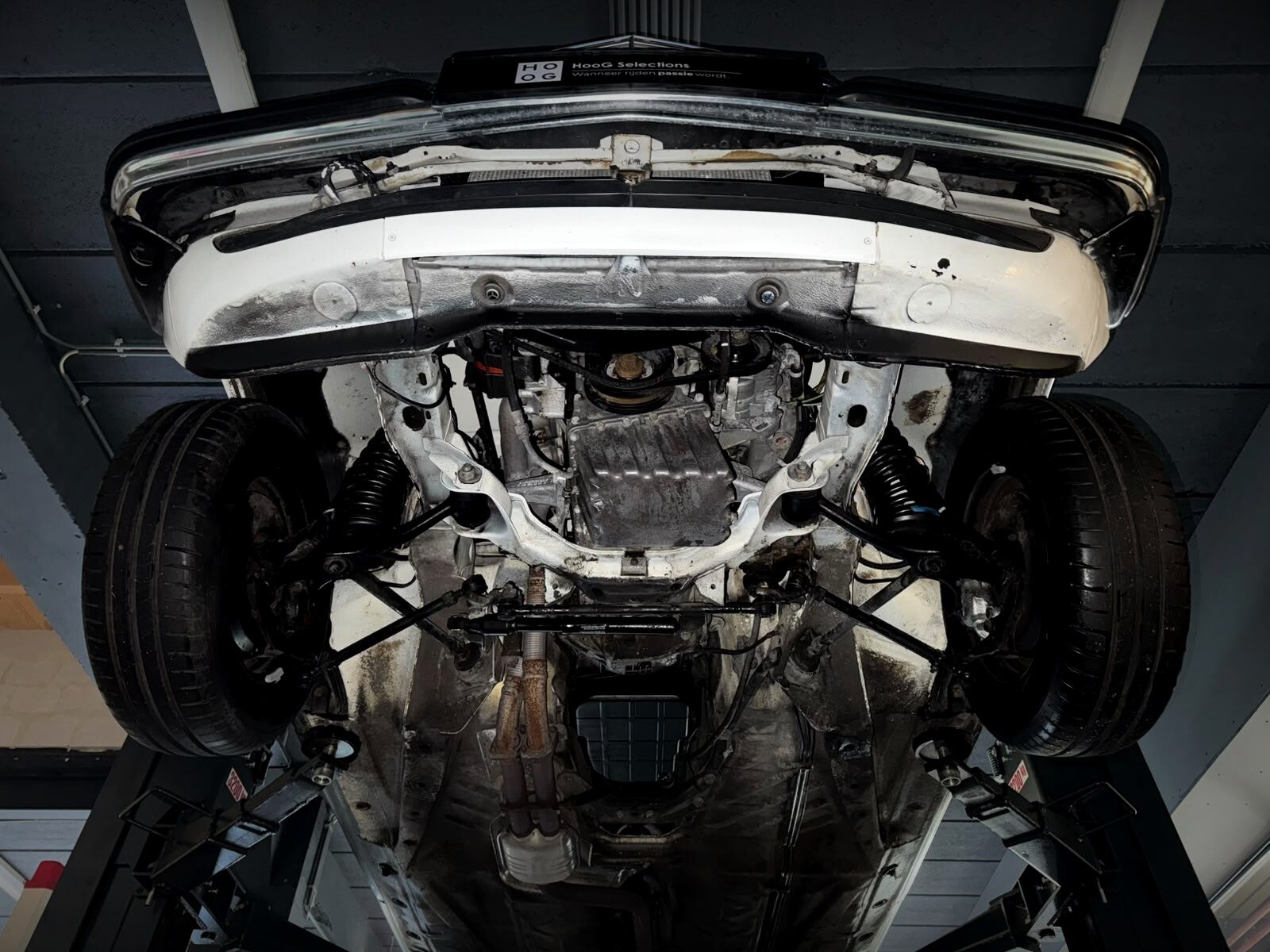
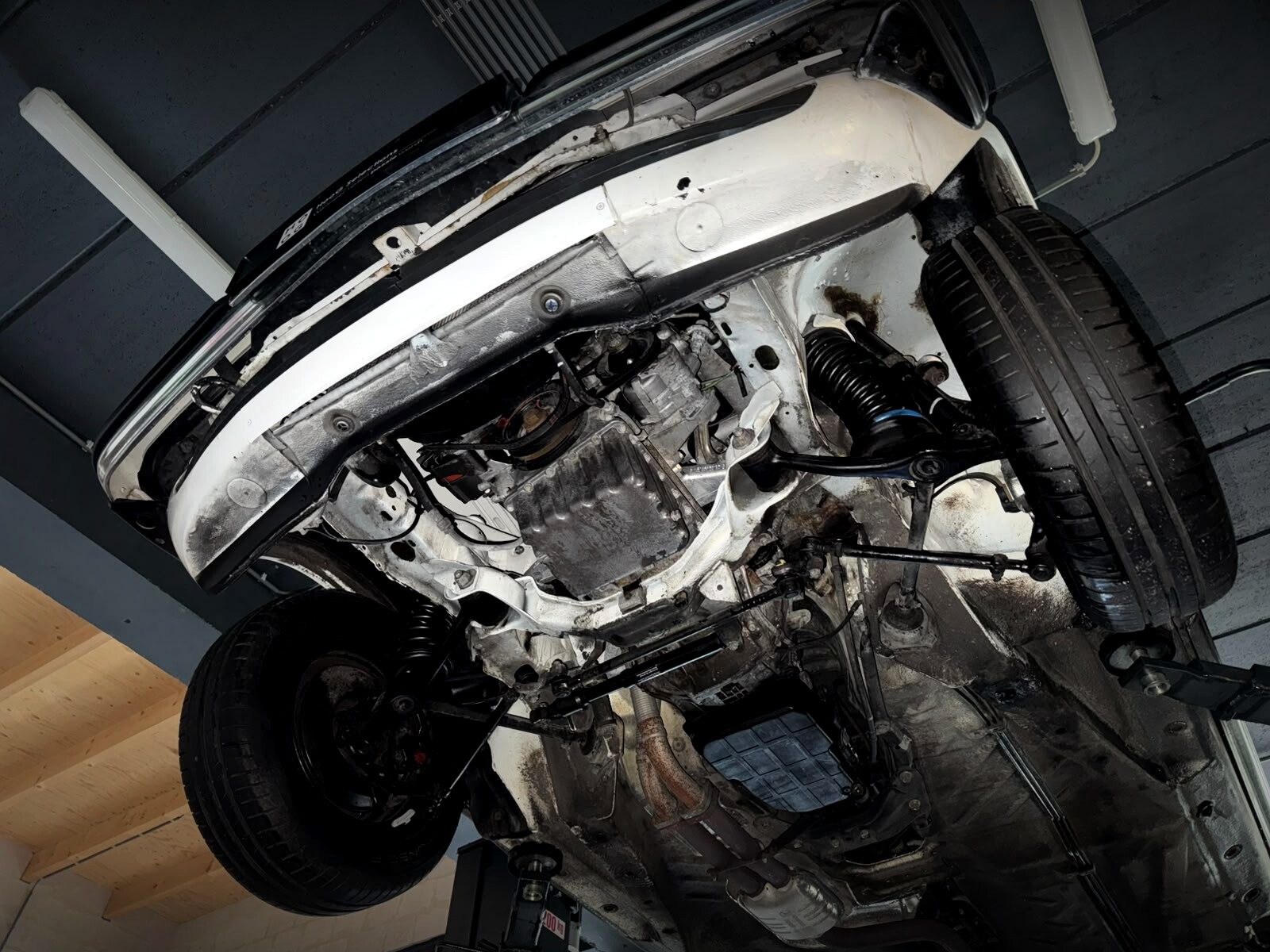
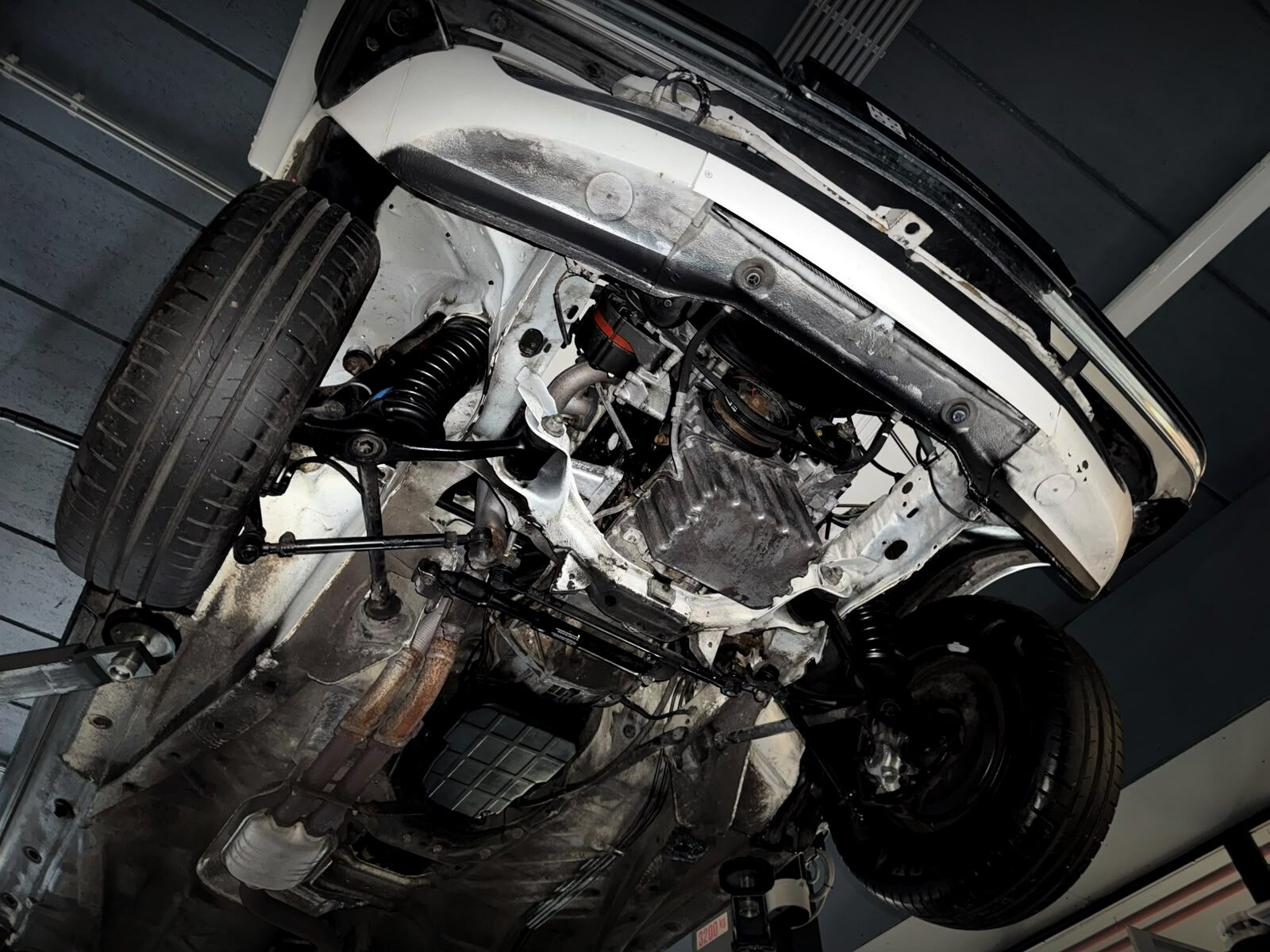
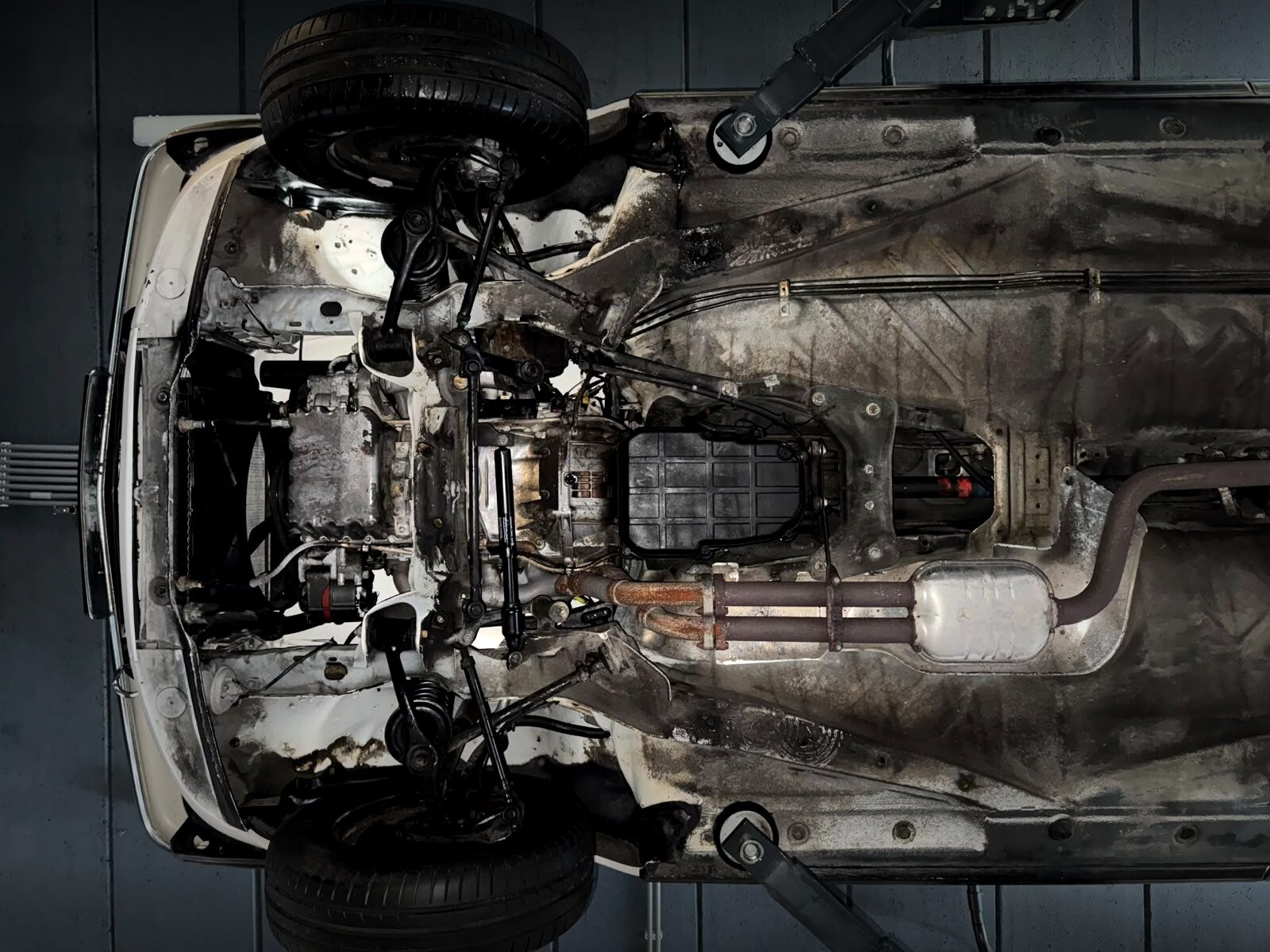
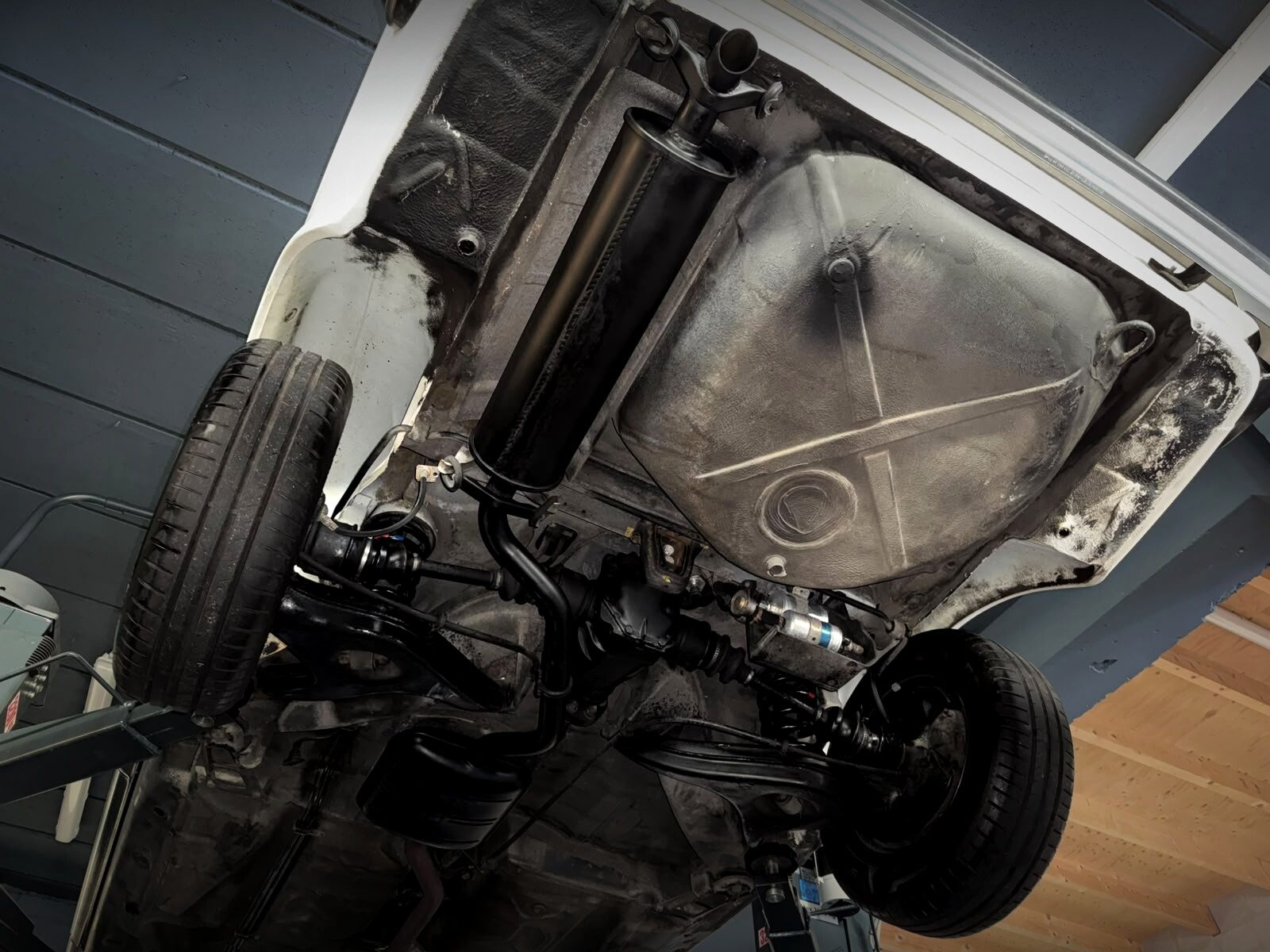
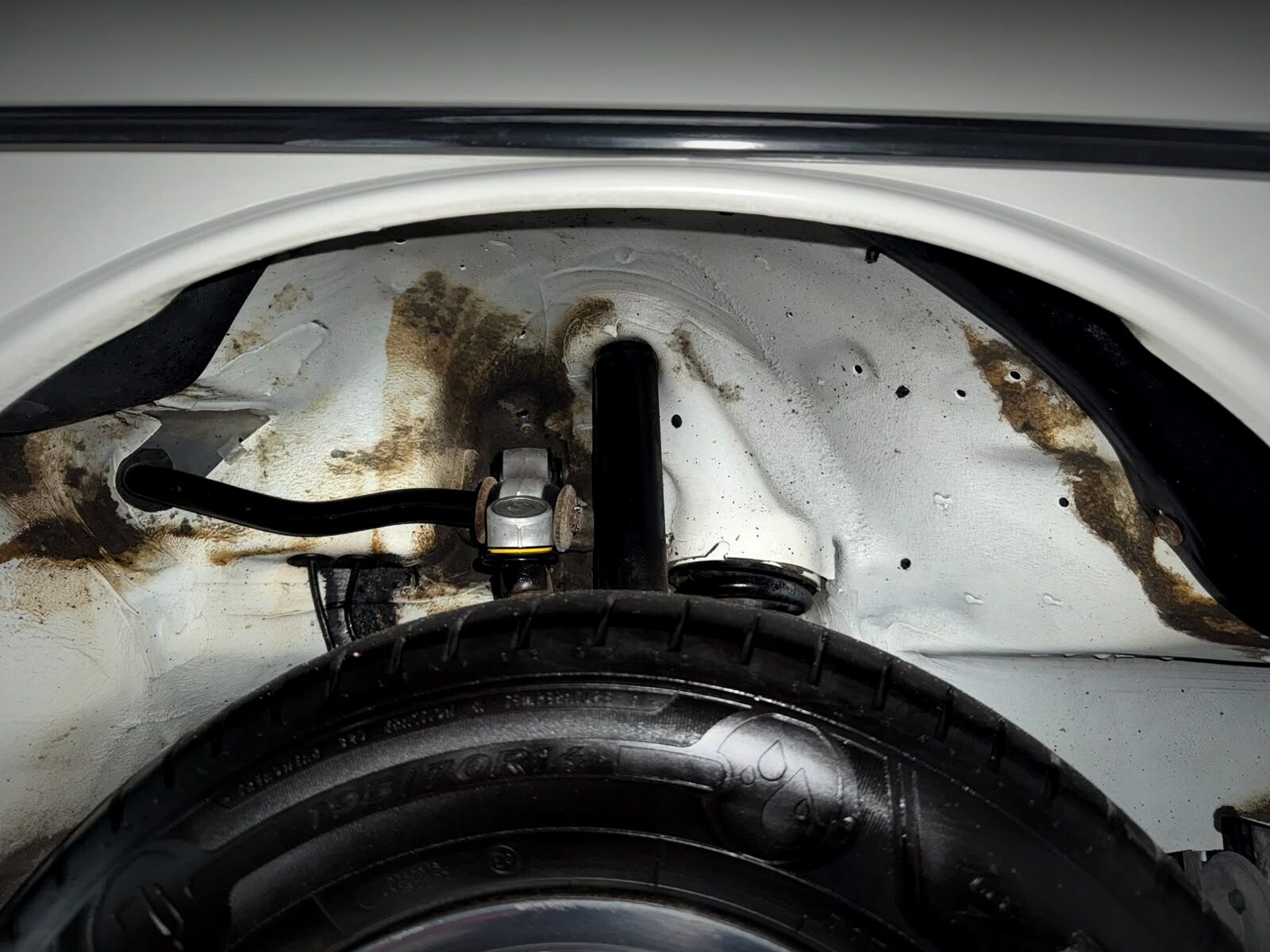
What makes this car such a pleasure is that it's been properly worked on over the past few years, and not just a quick oil change at the local garage. There's a stack of invoices that would make many an enthusiast go green with envy. The K-Jetronic accumulator replaced, fuel lines renewed due to ethanol damage (the eternal battle of the classic against our modern fuel), tank strainer, major service including valve adjustment, V-belts, automatic transmission fluid and filter changed, an alternator reconditioned, and the brakes given a thorough overhaul.
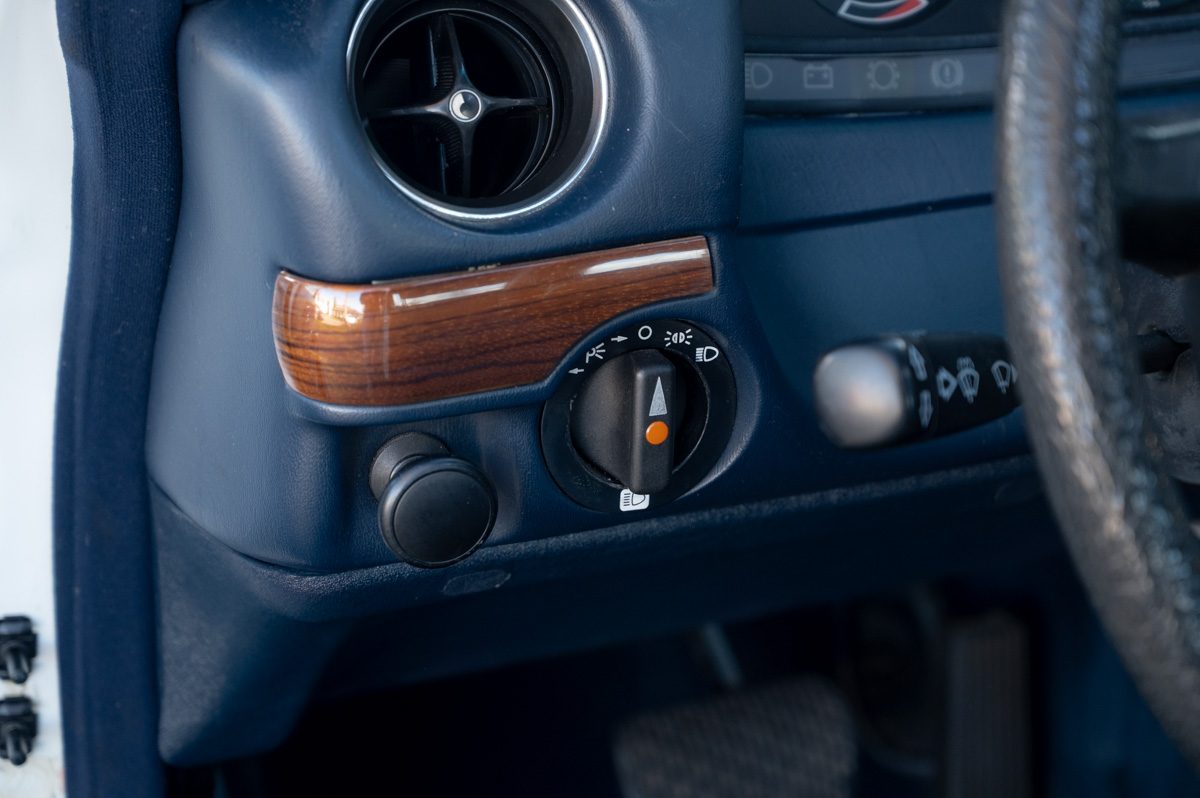
Even the dimmer for the instrument cluster and the interior mirror have been replaced. This is the kind of service history that shows someone didn't just drive the car, but genuinely cherished it.
And that's what a W123 is all about. This isn't a car you buy to impress the Knightsbridge types, they'd rather park something with four exhausts and a lease debt. The W123 is for the connoisseur, for the person who understands that real luxury isn't found in screens and blinking lights, but in solidity, in a car you'll still be able to start twenty years from now.
Admittedly, by today's standards it isn't fast. You won't win a traffic-light sprint against a Tesla. But who on earth wants that? You get into this car to glide, not to chase. To cruise along the dyke with an arm out of the window while the world around you frets and fusses.
It's a time capsule on four Dunlops. A piece of German engineering from an era when cost-cutting was still a dirty word in Stuttgart. A car built to drive your grandchildren to their graduation ceremony, provided you keep feeding it a little maintenance and love.
Over-engineered, indestructible, and unmistakably from a time that isn't coming back.
Special features
- Mercedes-Benz 230E (W123) from December 1983
- Arctic White with classic interior
- 2.3-litre four-cylinder with Bosch K-Jetronic, 136 bhp
- Automatic transmission
- Power steering and brake servo
- Centre armrest, automatic aerial, radio with speakers
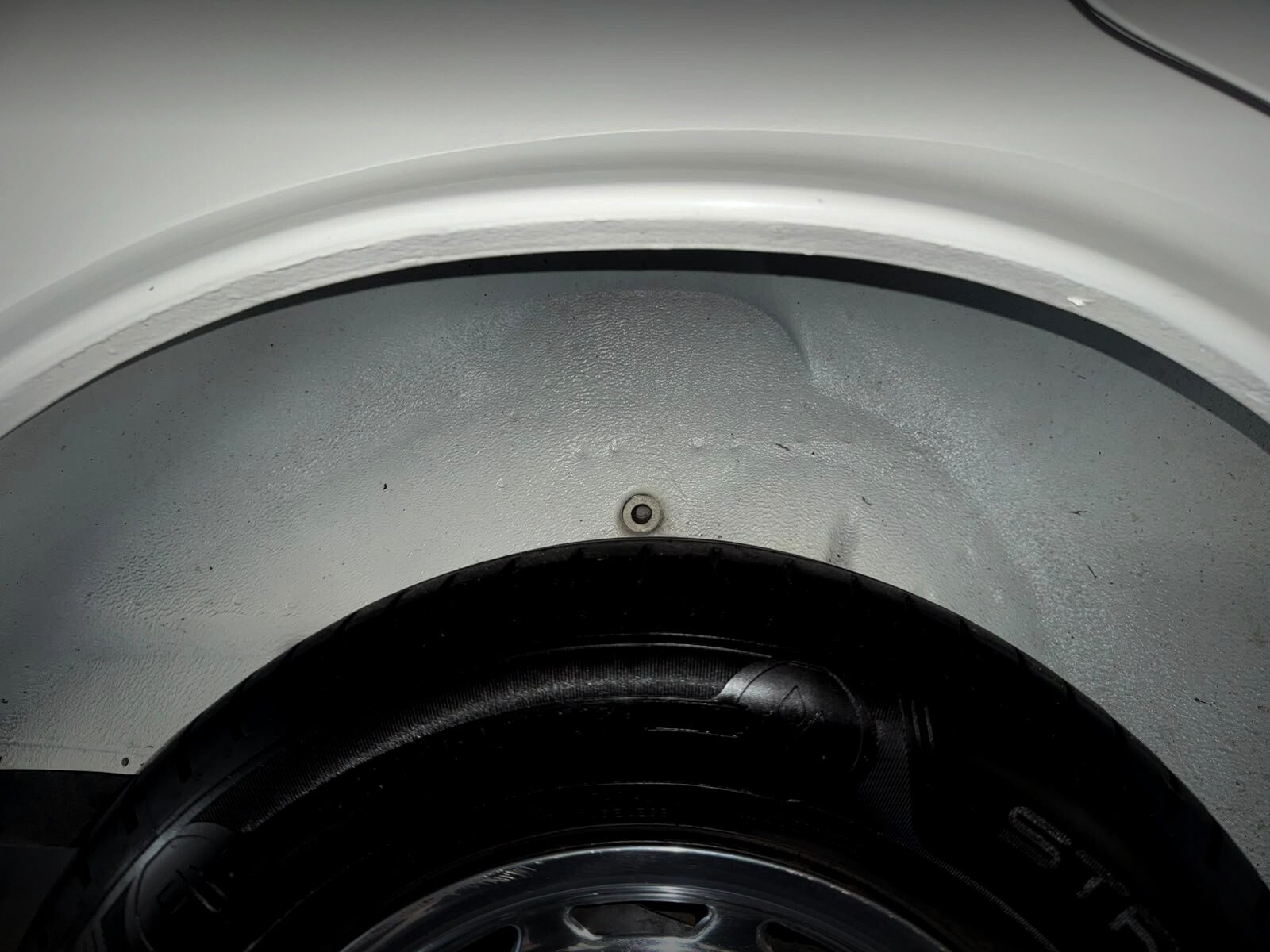
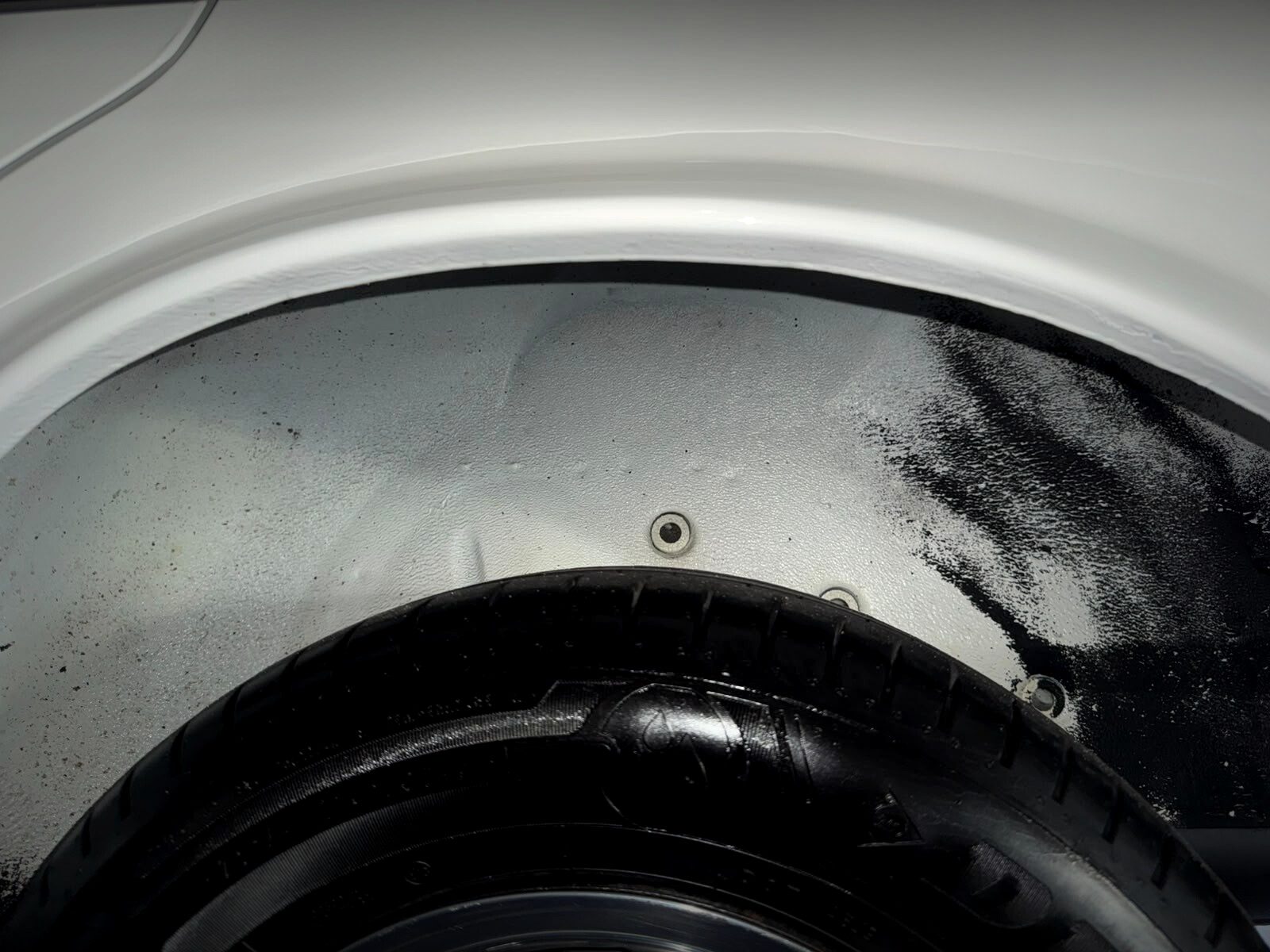
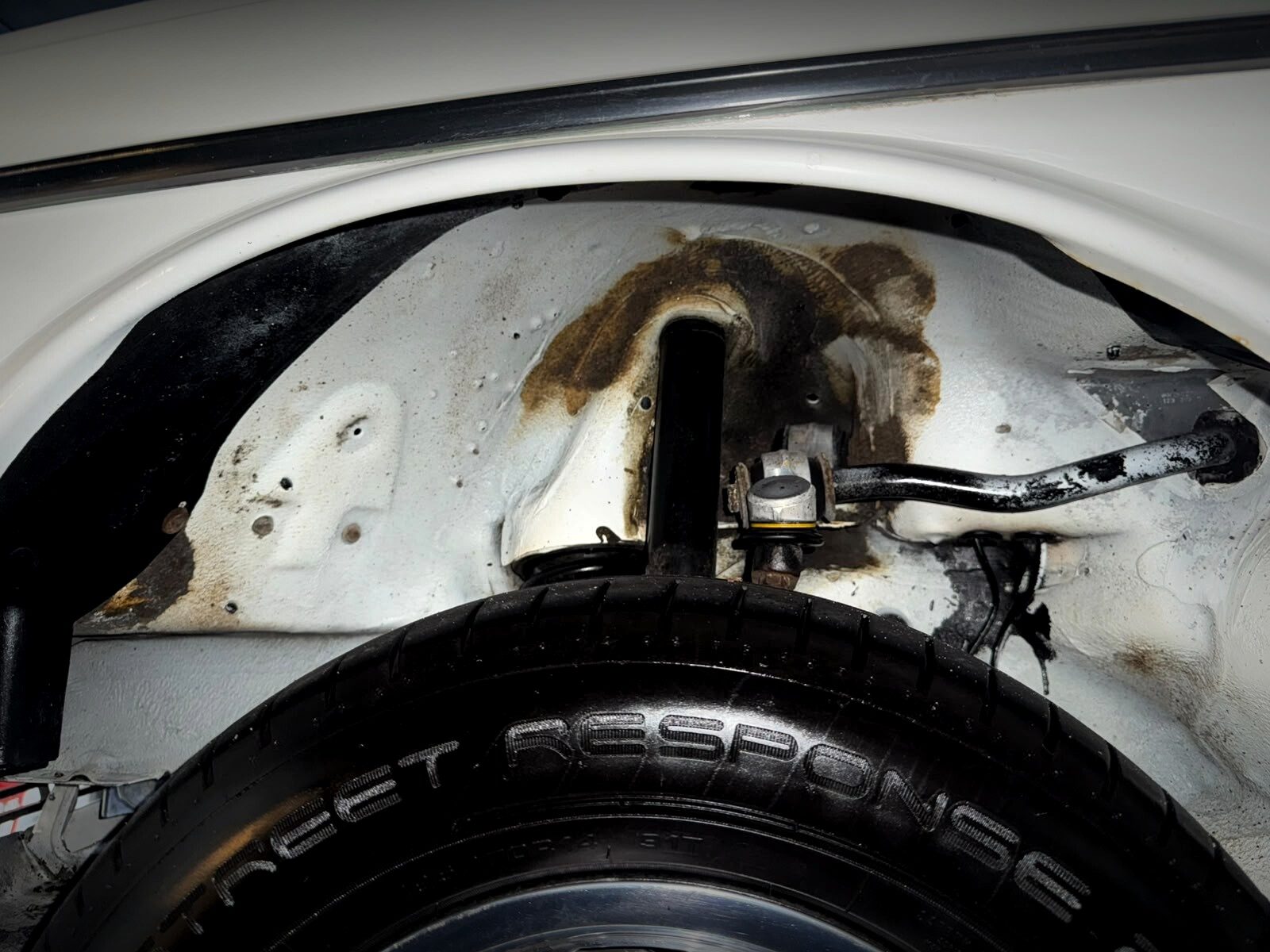
- Extensive service history with invoices (major service, valve adjustment, alternator reconditioning)
- Fuel lines renewed for ethanol resistance
- K-Jetronic accumulator replaced
- MOT until May 2026
- Dunlop summer tyres with plenty of tread
- Margin car


Full insight into the papers our assessment is built on. Carfax vehicle history, service documentation and paint thickness report — page by page.
Blader met vegen, de pijlknoppen of de pijltjestoetsen. Home en End gaan naar de eerste en laatste pagina. Dubbeltik of knijp om in te zoomen. Escape sluit.