
Alpina B6 3.5
Save this Alpina
With a free account you can keep an eye on it:
- notification of a price change or sale
- pre-market: see new cars before anyone else
- bid in the live auctions


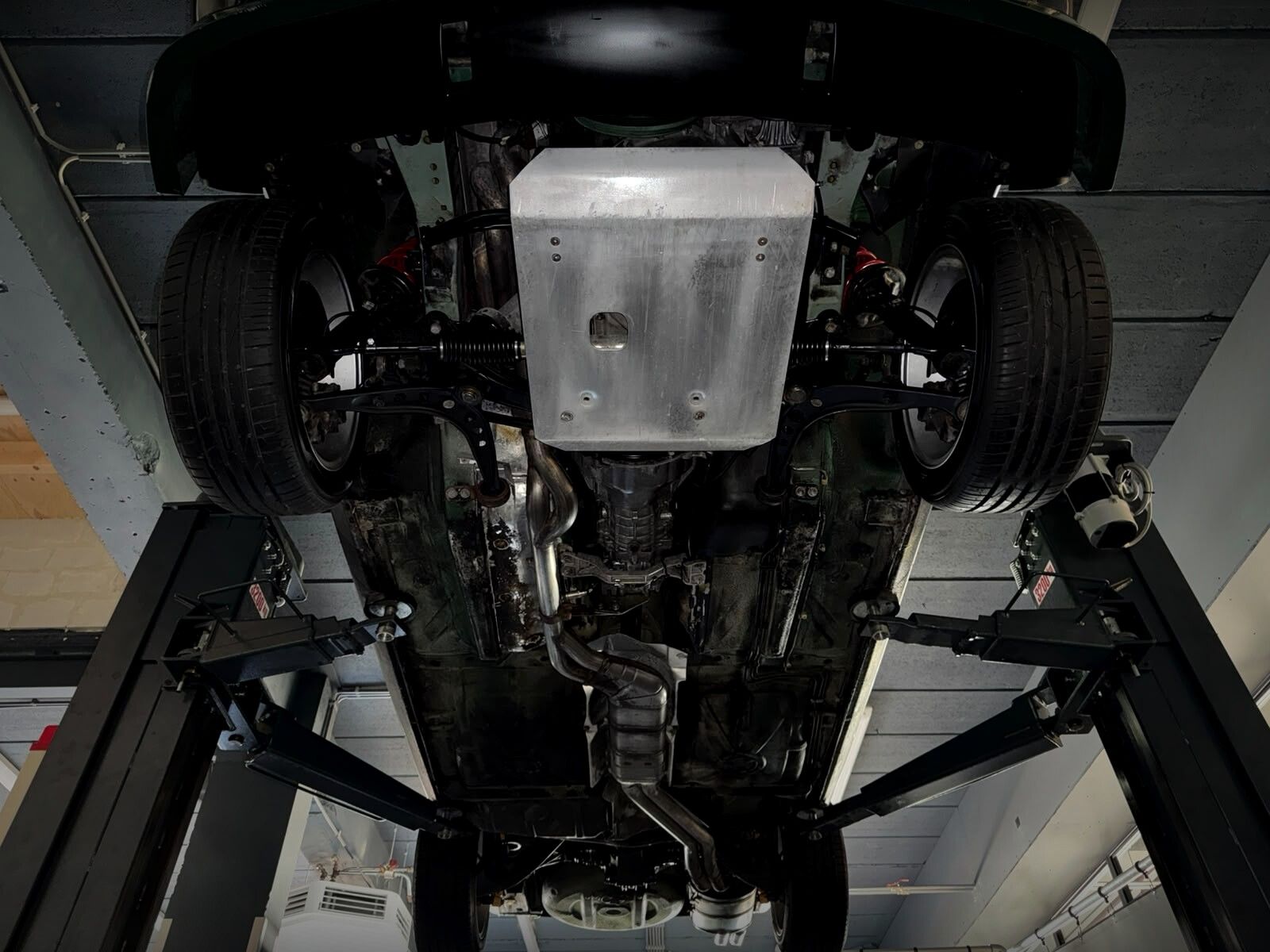
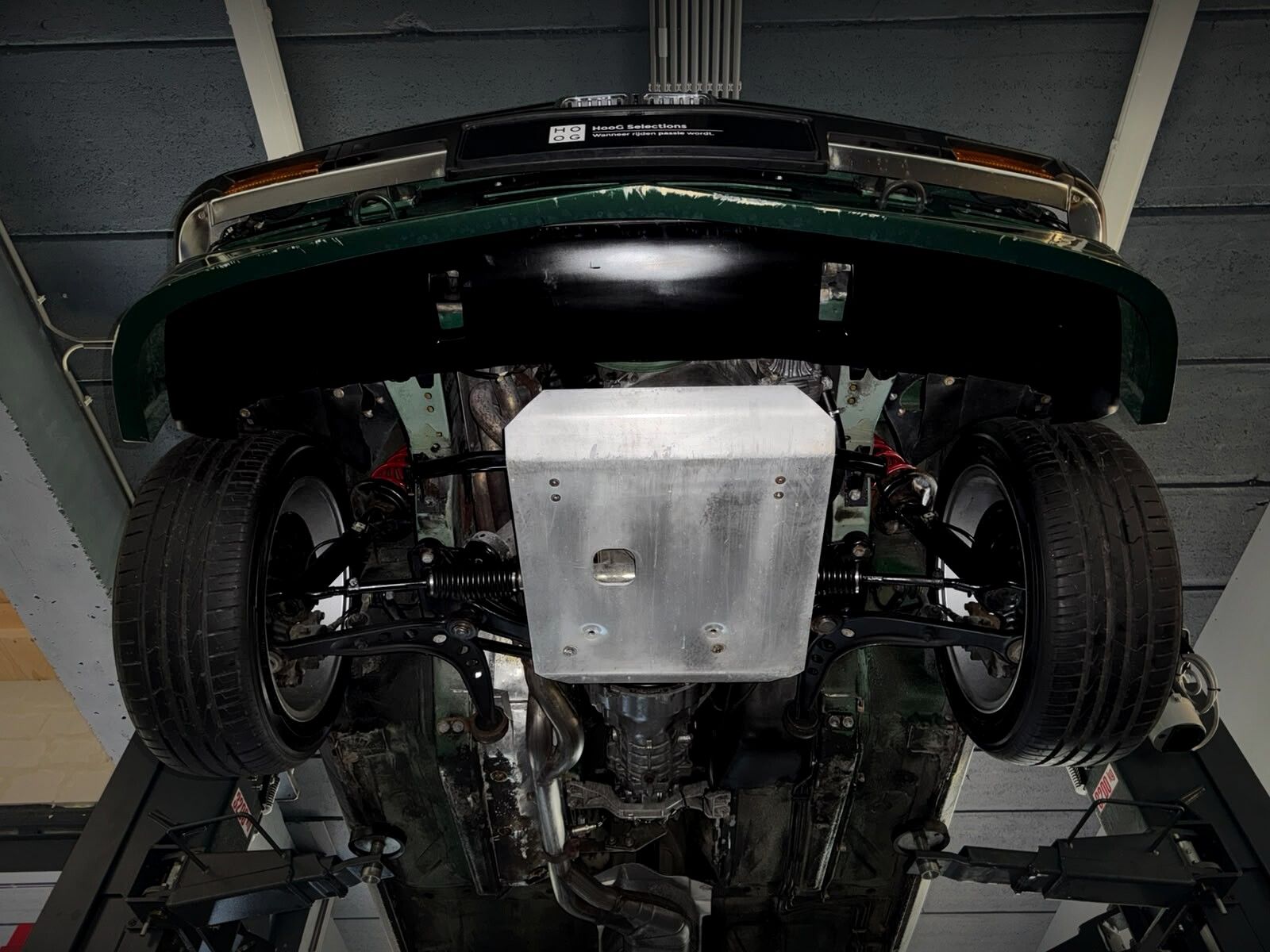
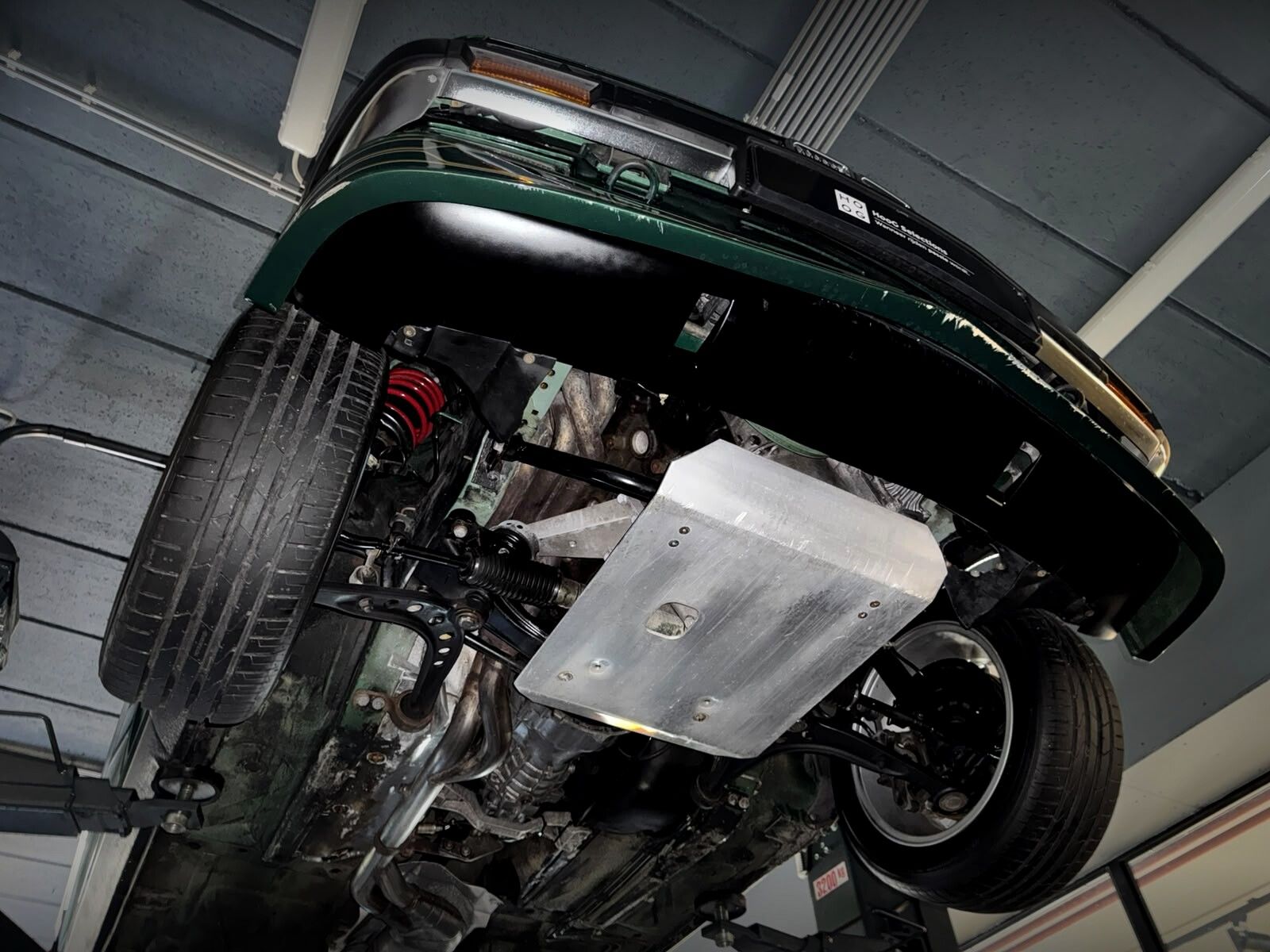
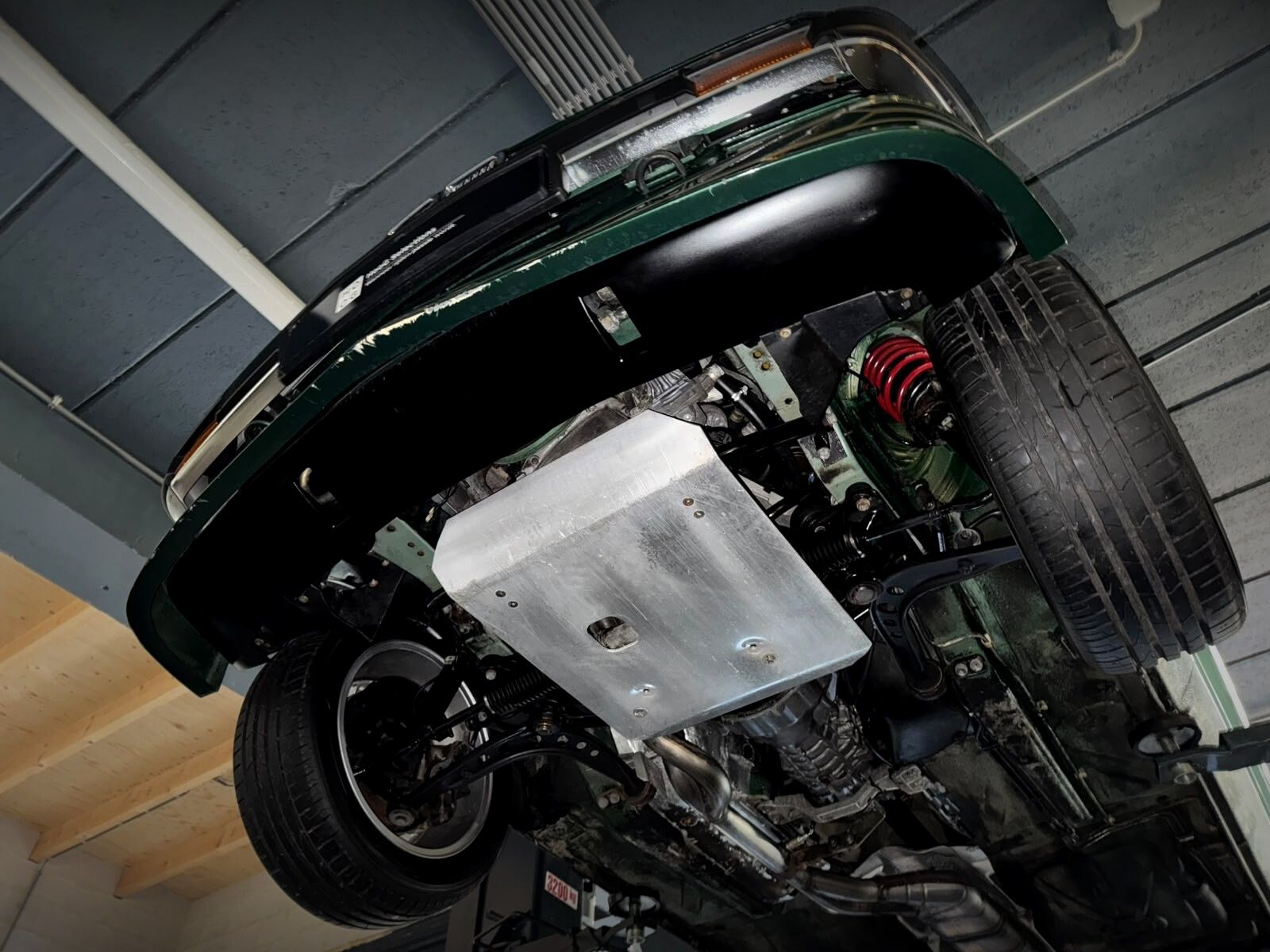
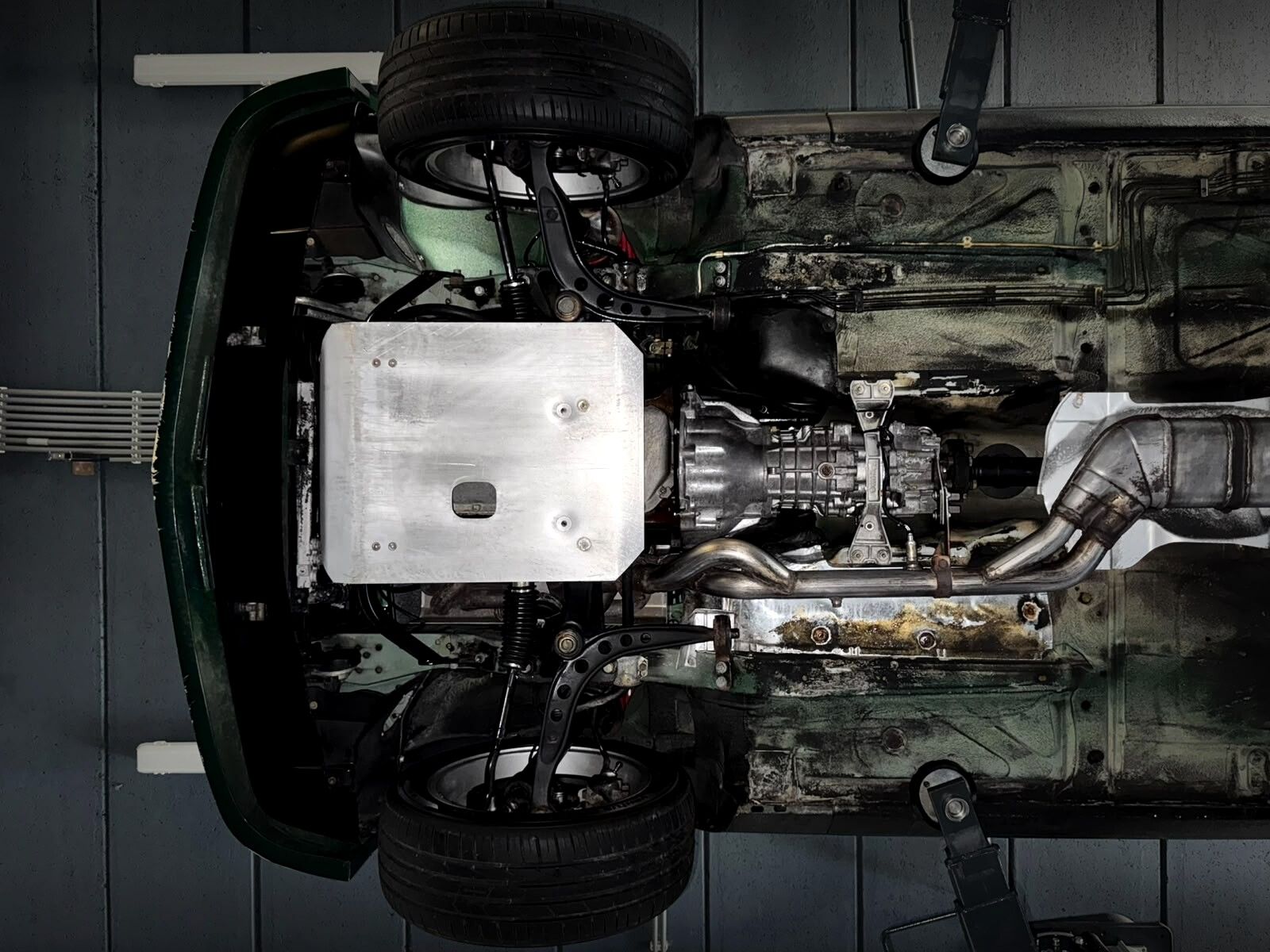
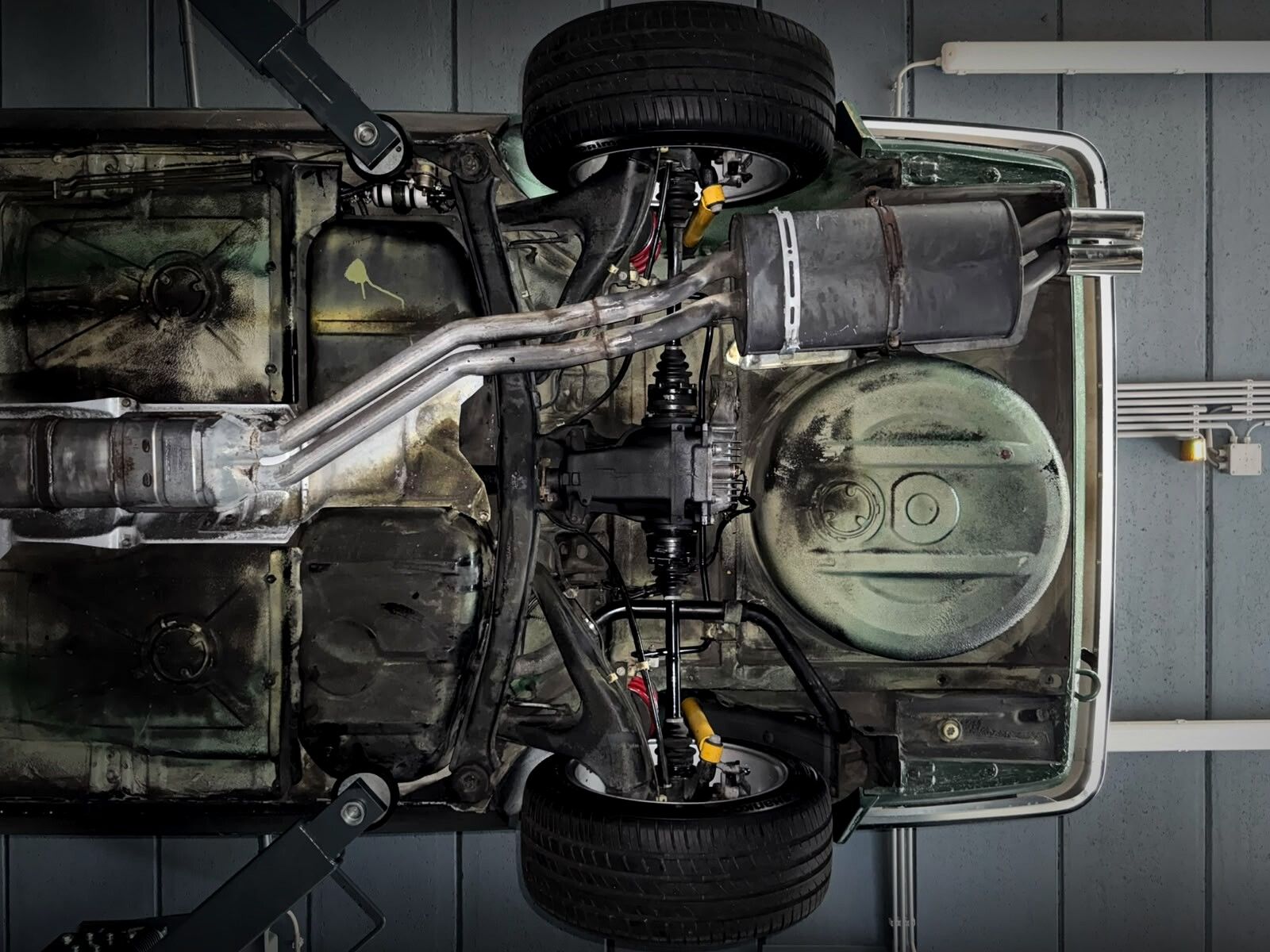
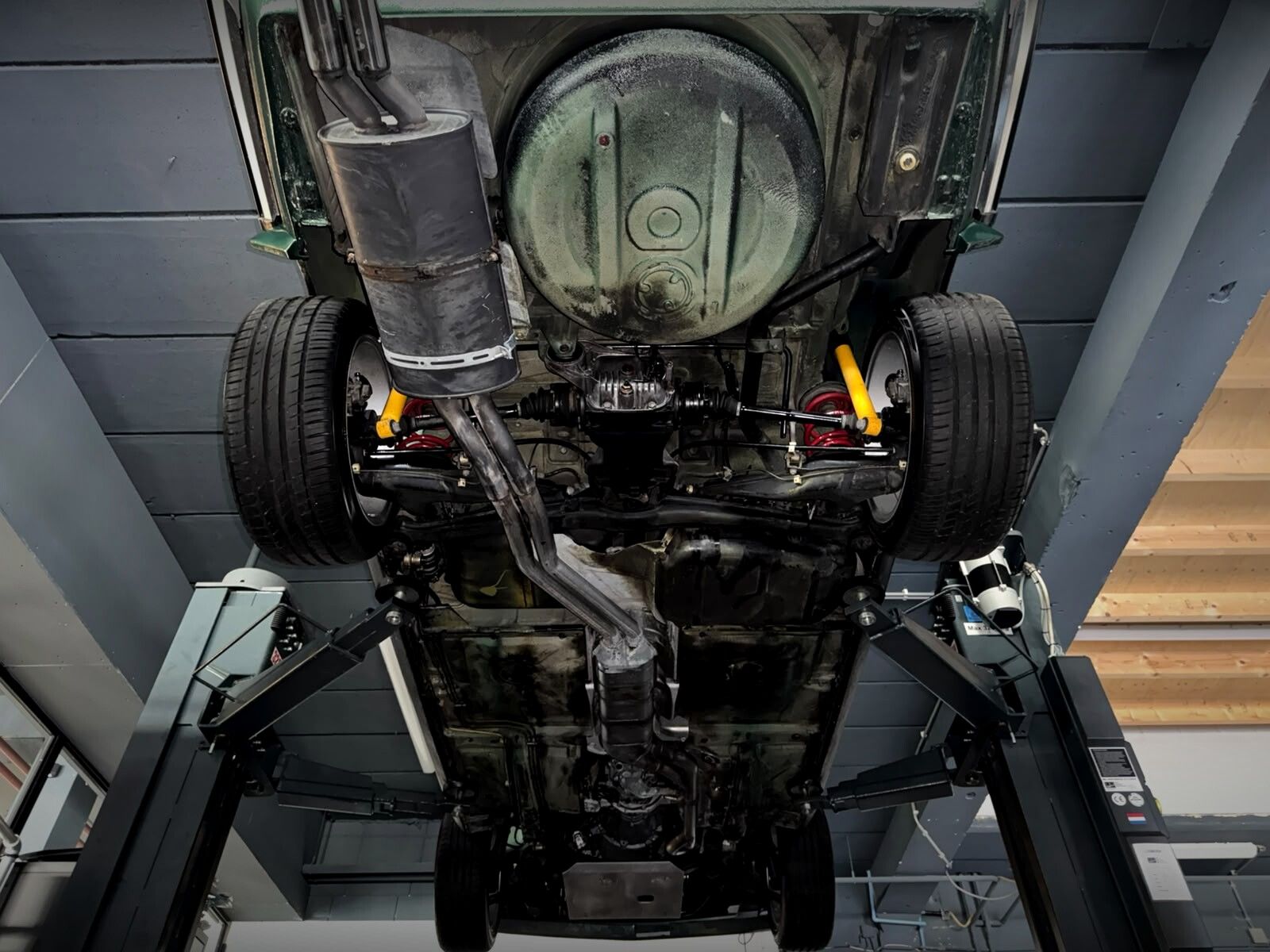
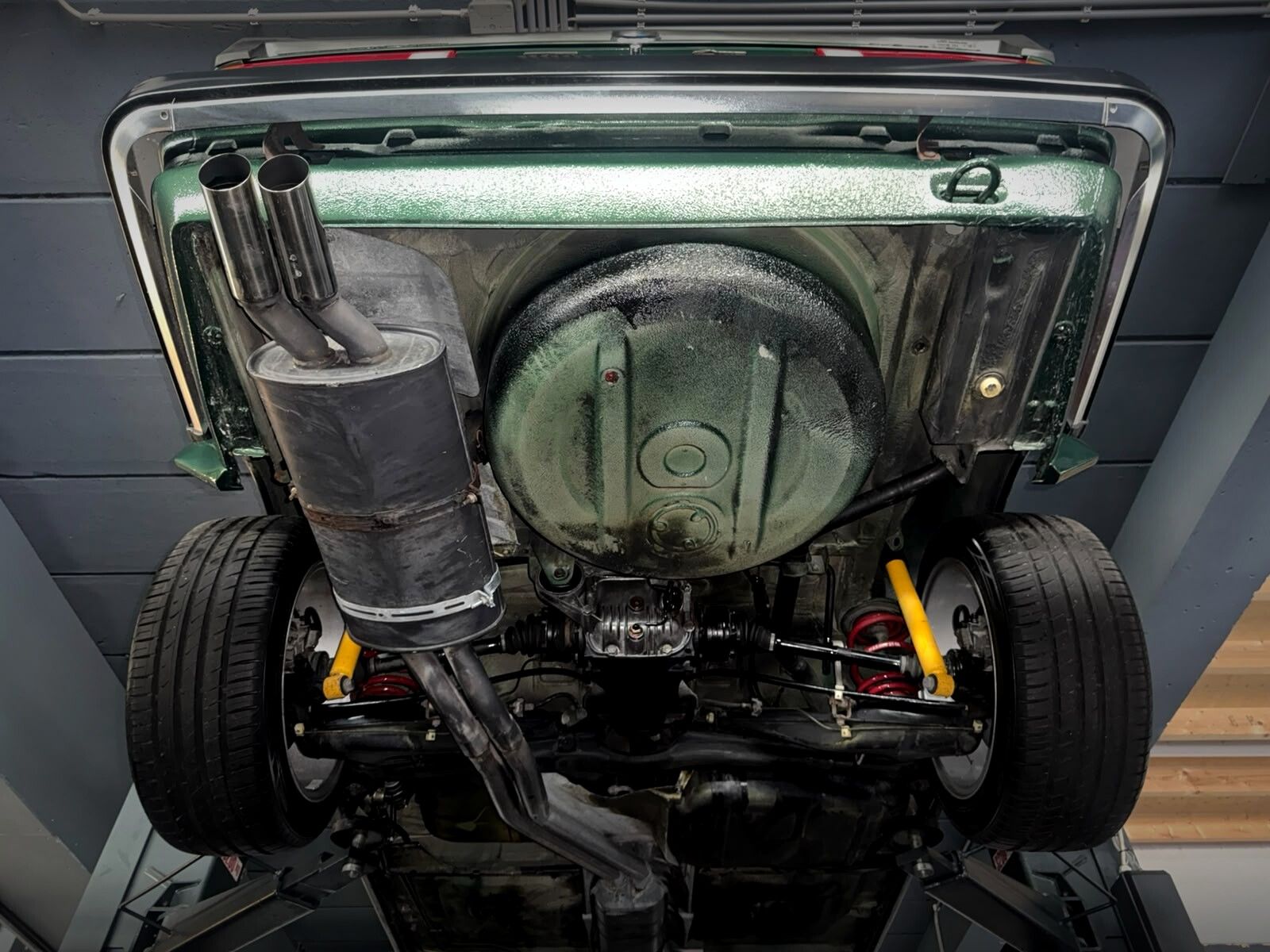
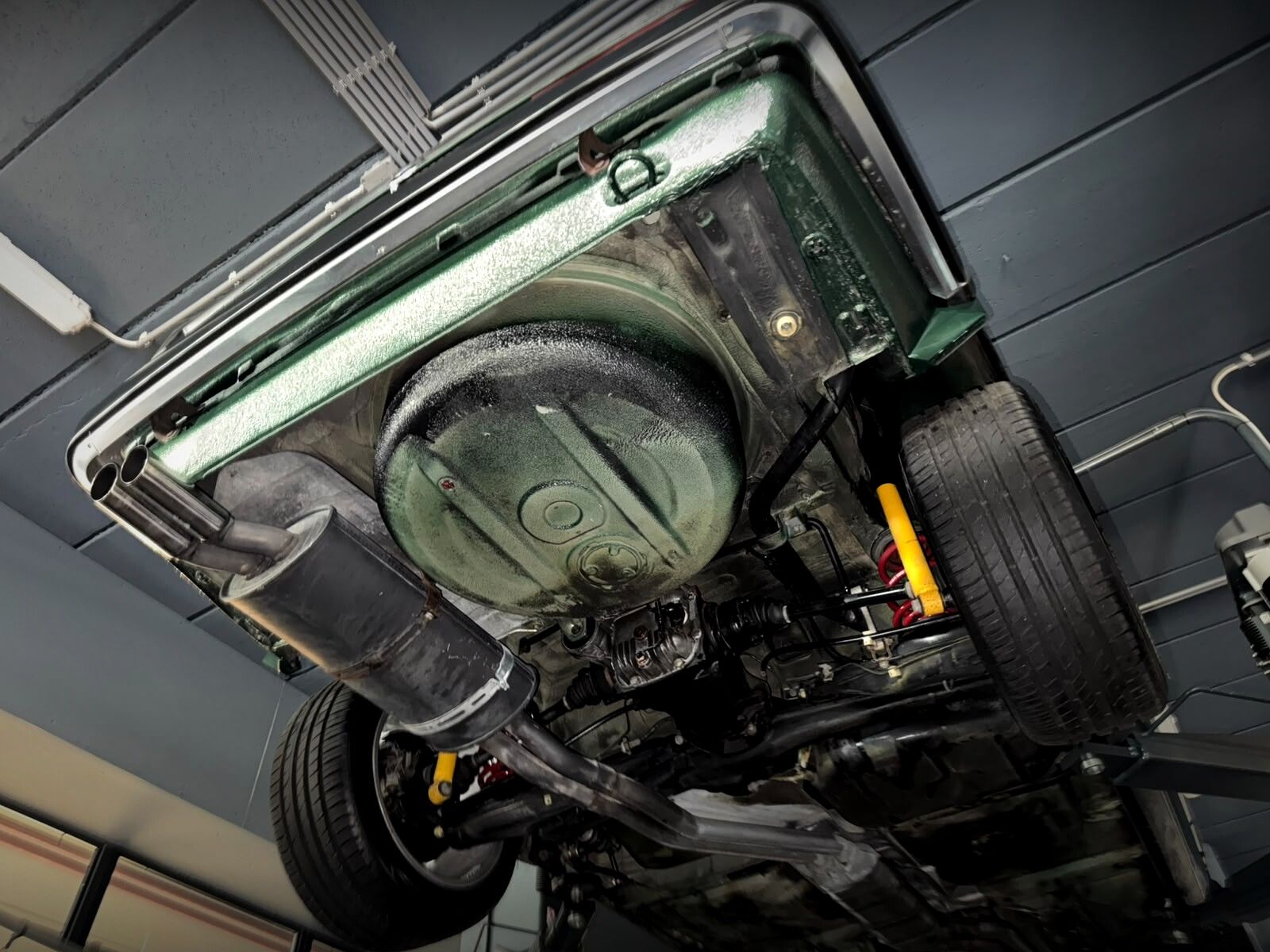
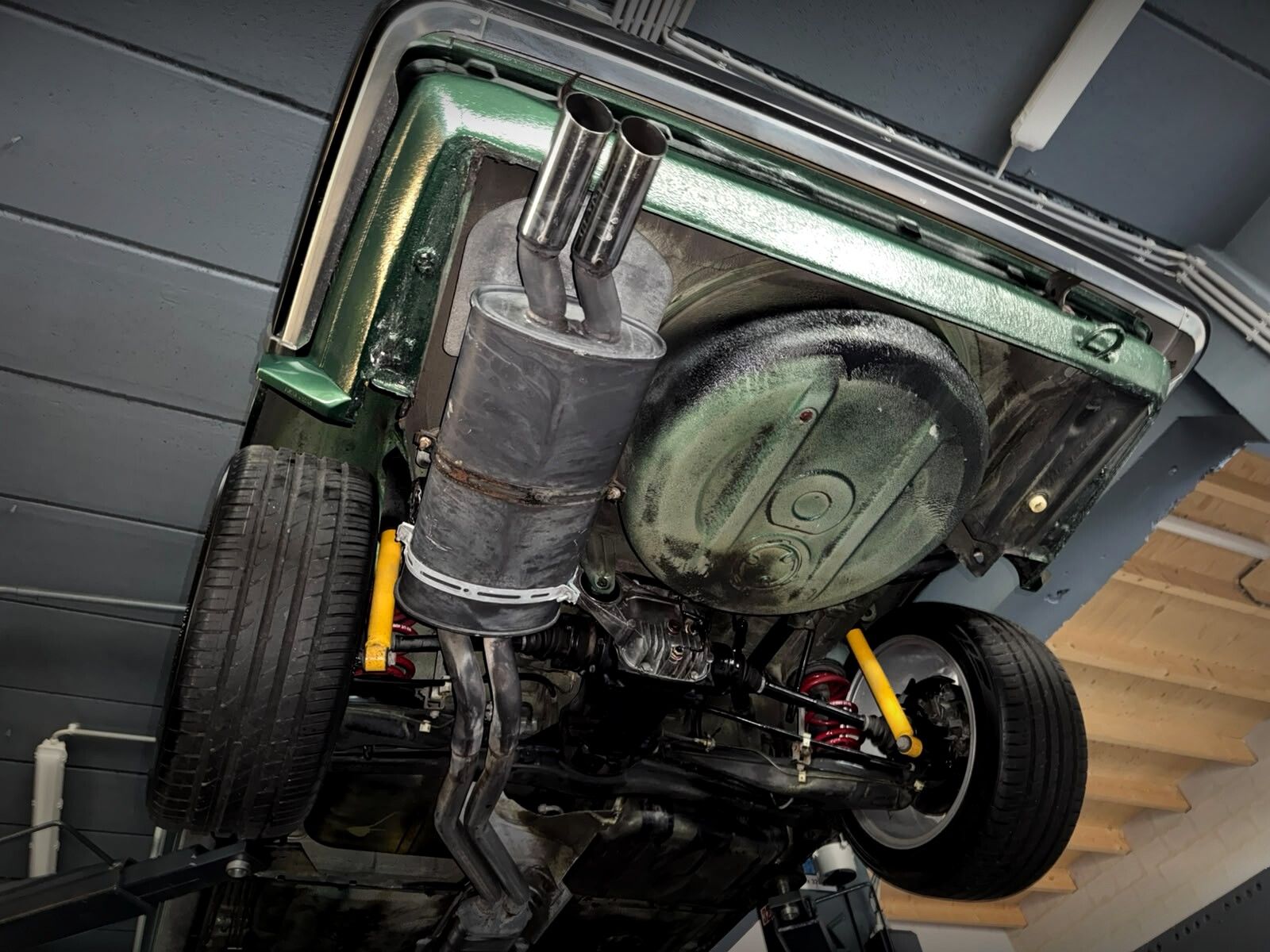
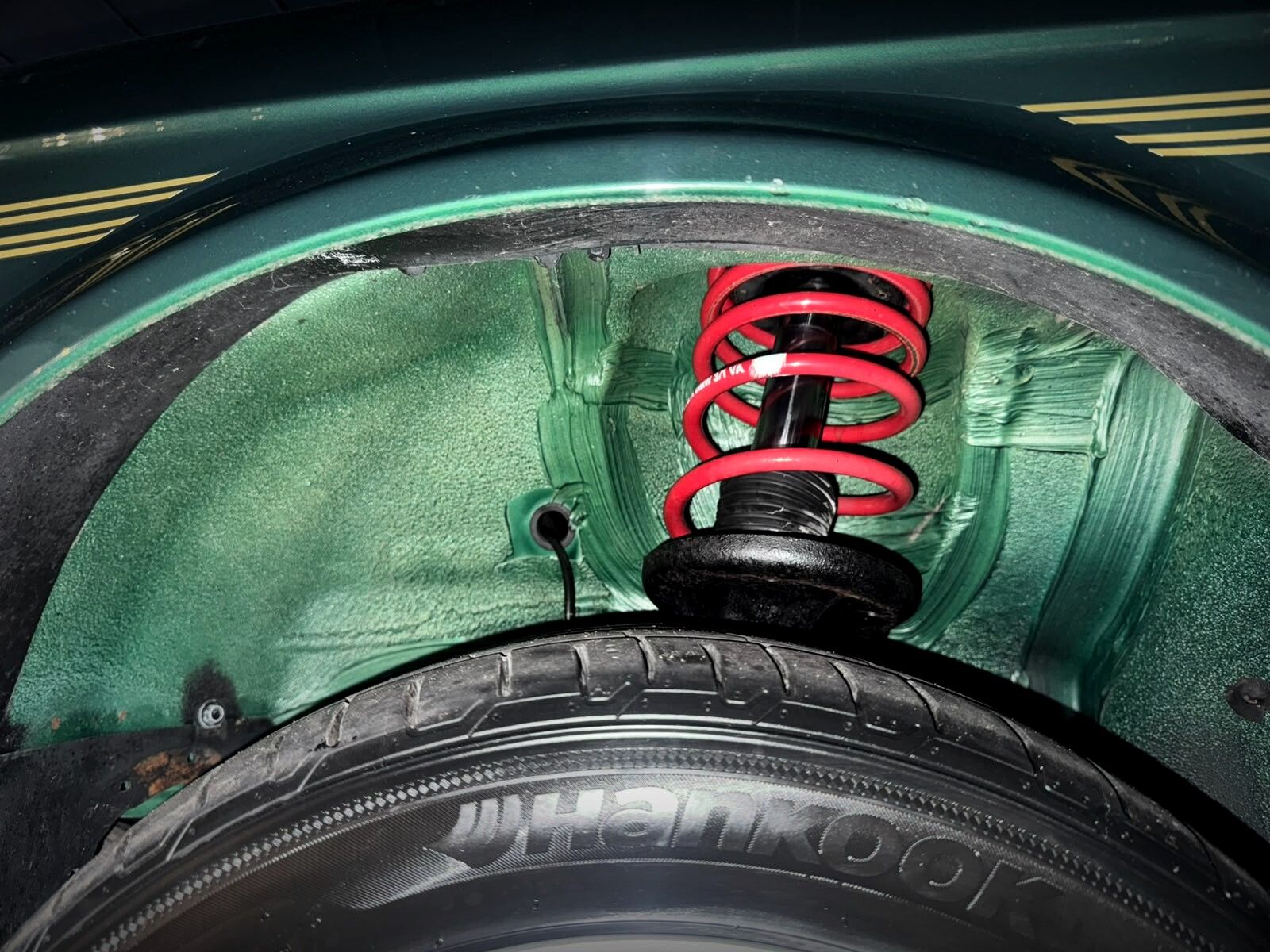
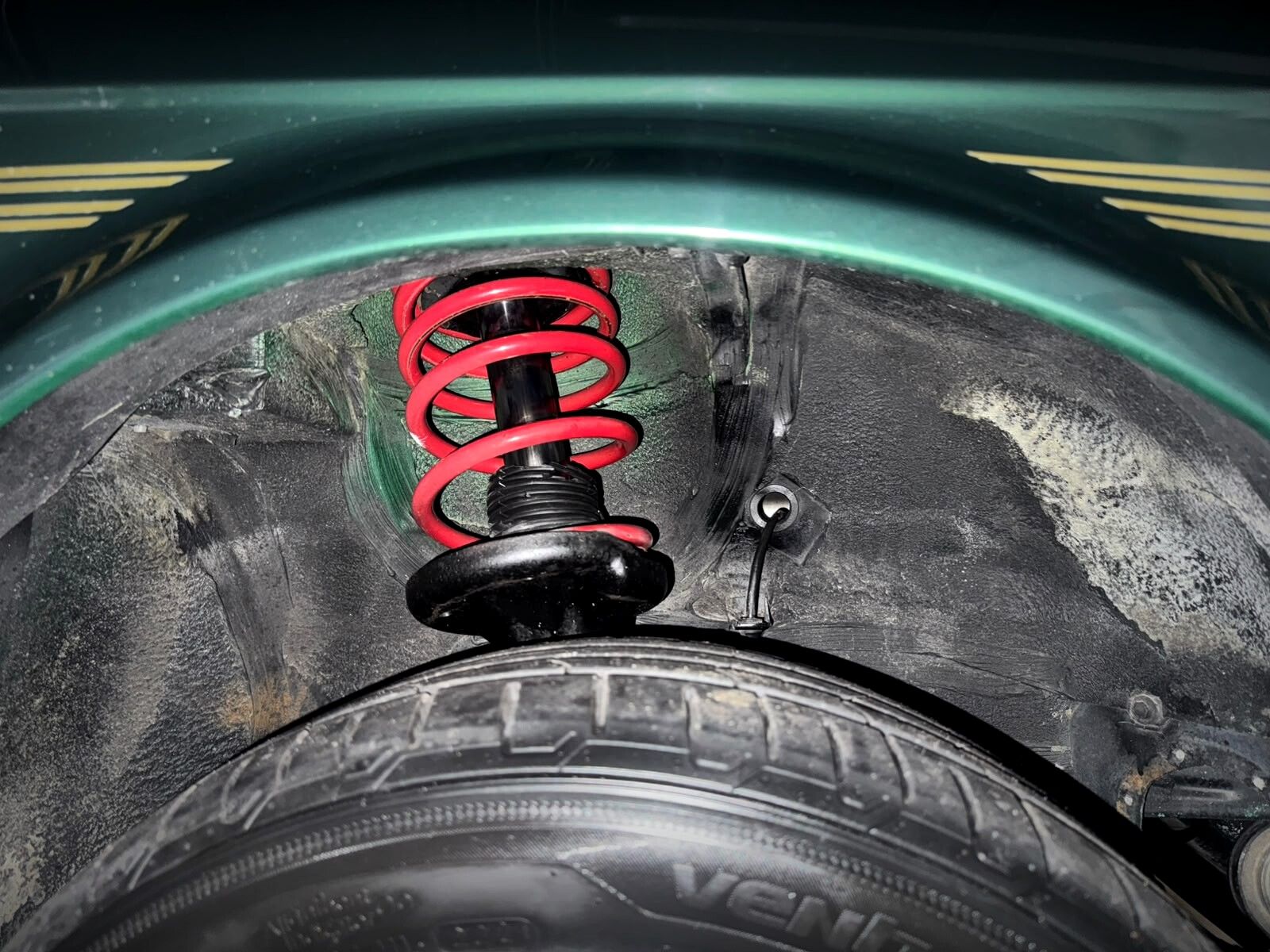
Buchloe. A name that means nothing to the average car enthusiast, but which in certain circles is spoken in a whisper, as if it were a secret handshake. There, in that quiet Bavarian town, Burkard Bovensiepen sat tinkering with BMWs that the factory in Munich really ought to have built itself. Not a tuner in the vulgar sense. Alpina was, and is, a marque in its own right.
Its own type approval, its own production number, its own philosophy. Where AMG made noise and shouted, Alpina did precisely the opposite: whisper, and then suddenly be faster than everyone else.
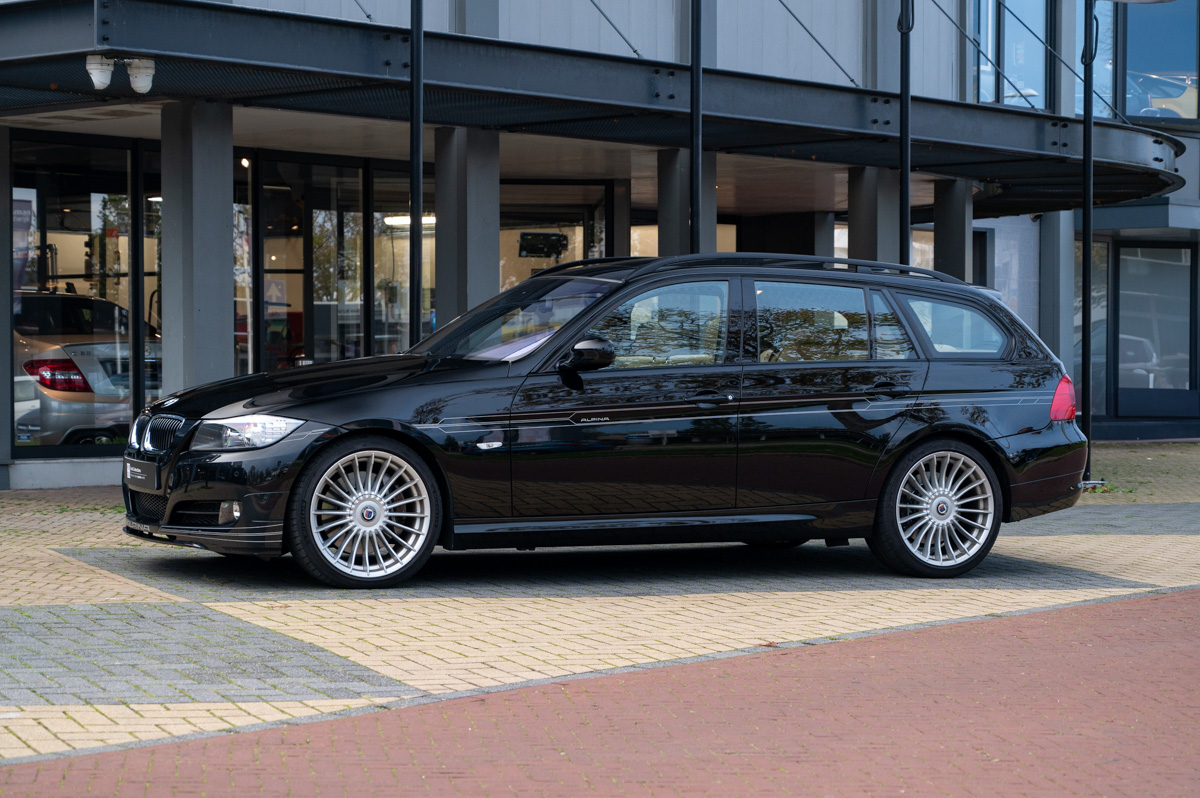
I've always had a soft spot for that understatement. A car that looks like a tidy 3 Series, the sort your solicitor drives to the office, but which, under the bonnet, has something else entirely in mind. The stripe set along the flanks, the gold-thread badge, those twenty-spoke Alpina wheels. If you know, you know. And if you don't, you assume there's an elderly gentleman in a hat behind the wheel. Exactly as intended.
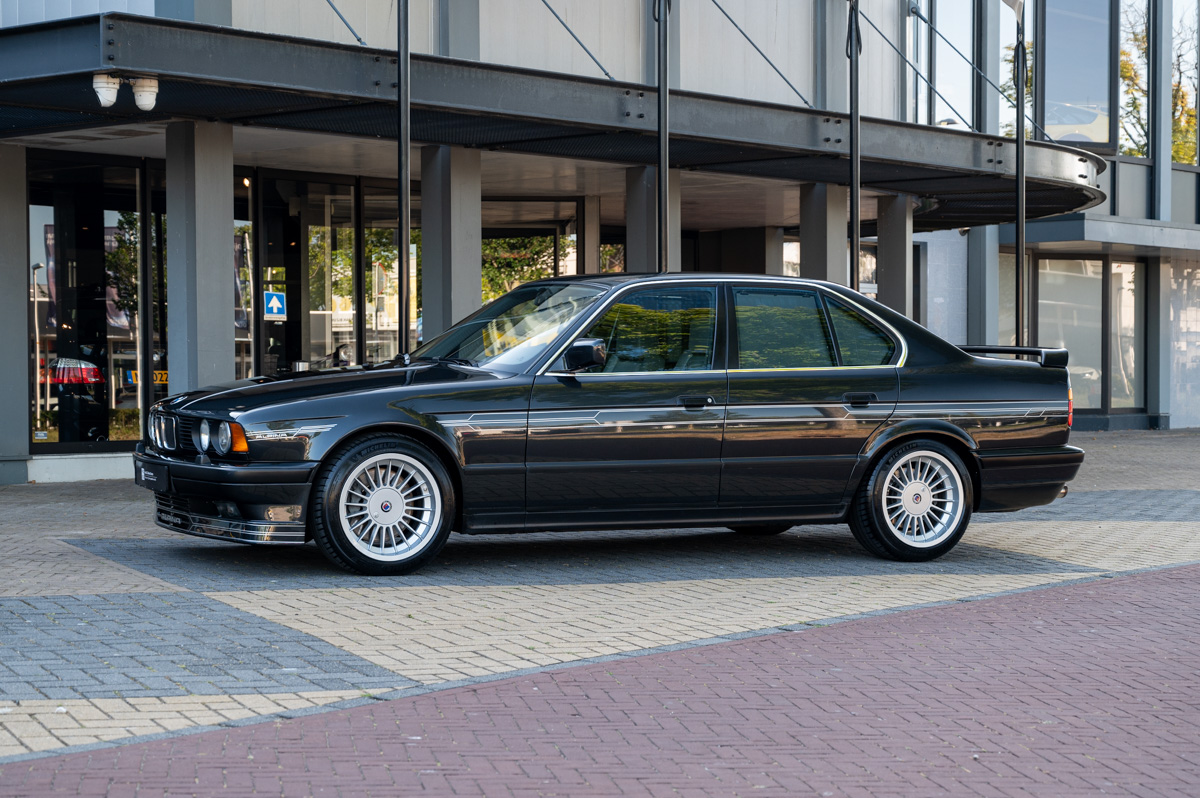
Right, back to the car standing here now, waiting for someone who understands what it is. The Alpina B6 3.5, built on the E30. The M version that BMW itself never dared to make. Where the M3 got a four-cylinder touring engine for the racing, Alpina did something that still makes enthusiasts go weak at the knees: they crammed their own further-developed 3.
5-litre straight-six into that compact body. 260 bhp, manual, and a sound you'll get nowhere else. A straight-six that doesn't scream but sings, with that characteristic long, drawn-out reach to the top end that the whole world adores and that these days only survives in museum brochures.
This example carries ALPINA production number 118. For the record: that means something. Every Alpina of that era received its own number, its own plate, its own place in the production book in Buchloe. So this is no BMW-wannabe replica with a few stickers slapped on, but the real thing, complete with the papers to prove it.
And what papers. This B6 has a service booklet many a collector would kill for. The journey begins on 24 March 1987 with the complimentary handover inspection at Alpina itself in Buchloe. After that, a life in Switzerland and Liechtenstein, all neatly stamped: Max Heidegger in Triesen, L. Klaus in Wil, garages in Weinfelden, Ebikon, Alpnach.
Running-in checks, Inspection I, Inspection II, annual checks, engine oil services. For nearly three decades, stamped by official BMW representatives in the country that invented precision. In 2013 it came to the Netherlands, where two private enthusiasts cherished it before it found its way to us.
What I've always liked about Swiss history: those people drive their cars as if someone's watching. Mountain passes, immaculately maintained, and a culture in which you don't treat an expensive car with a shrug. This B6 spent the majority of its life there, and you can tell from the thickness of the stack of stamps.
Colour: Alpina Grün Metallic. Green, yes, but not just any green. A deep, restrained metallic green that looks almost dark in one light and suddenly comes alive in the sun. The tyres are sized to match: 205 front, 225 rear, on the distinctive 16-inch wheels. Four seats, leather and cloth combined, and that glorious eighties dashboard where everything still had a button instead of a menu.
Admittedly, it isn't new. This car is nearly forty and has a life behind it, so expect the usual upkeep a classic of this calibre deserves. Engine oil, brake fluid, the familiar points. But that's precisely the pact you strike when you buy something like this: in return you get a piece of automotive history they'll never make again. There are still plenty of E30s about. M3s are getting rarer. But a genuine, numbered Alpina B6 3.5 with this file? You'll rarely come across one before a collector with a chequebook has sprinted past.
For those who understand that the finest speed is the speed nobody sees coming.
Special features
- Genuine ALPINA B6 3.5 on E30 base, production number 118
- Further-developed 3.5-litre straight-six, 260 bhp
- Manual gearbox, drive as it should be
- Alpina Grün Metallic, distinctive 16-inch Alpina wheels
- Extensively stamped service booklet from handover in Buchloe (1987)
- Largely Swiss/Liechtenstein service history with official BMW representatives
- In the Netherlands since 2013, cherished by private enthusiasts
- Leather/cloth upholstery, eighties interior with real buttons
- 4 seats, 2-door coupé
- Rare enthusiast's and collector's car with complete file


Looking for a Alpina B6 3.5 (E30) yourself? What you need to know.
What should you look for when buying a Alpina B6 3.5 (E30)?
You buy the B6 3.5 on condition and documentation, not on kilometres alone. The M30 is robust; the bodywork and the supporting evidence determine the risks. Below are the specific inspection points per system.
Engine and drivetrain
- The cooling system is the critical point. The original plastic expansion tank, radiator caps and hoses become brittle; the thermostat housing is a known failure point. Even brief overheating risks head gasket damage, as the aluminium head expands against the cast-iron block.
- Ask for proof of a complete cooling system overhaul. Never assume it has been done. Otherwise, reckon on a full renewal of hoses, thermostat, tank and radiator.
- On a cold start, listen for rattling that disappears once warm: this indicates wear of the timing chain and guides. A chain replacement at a specialist costs around €2,000–4,000.
- Check the originality of the Alpina engine work (camshaft, head, pistons) and the Getrag gearbox for smooth shifting.
Bodywork and rust
- Rust is the greatest threat to any E30. A straight, rust-free car is worth buying, even at a premium.
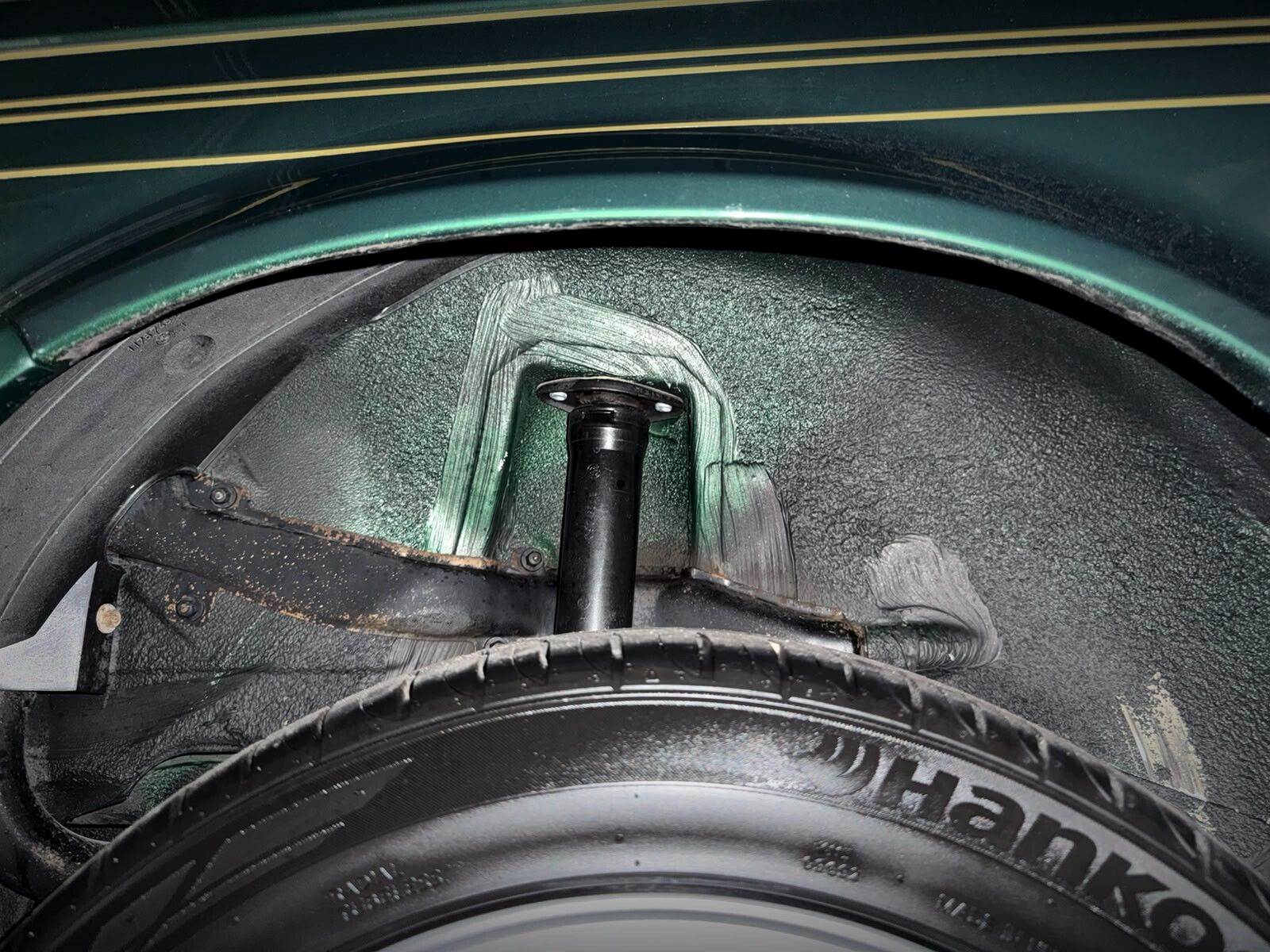
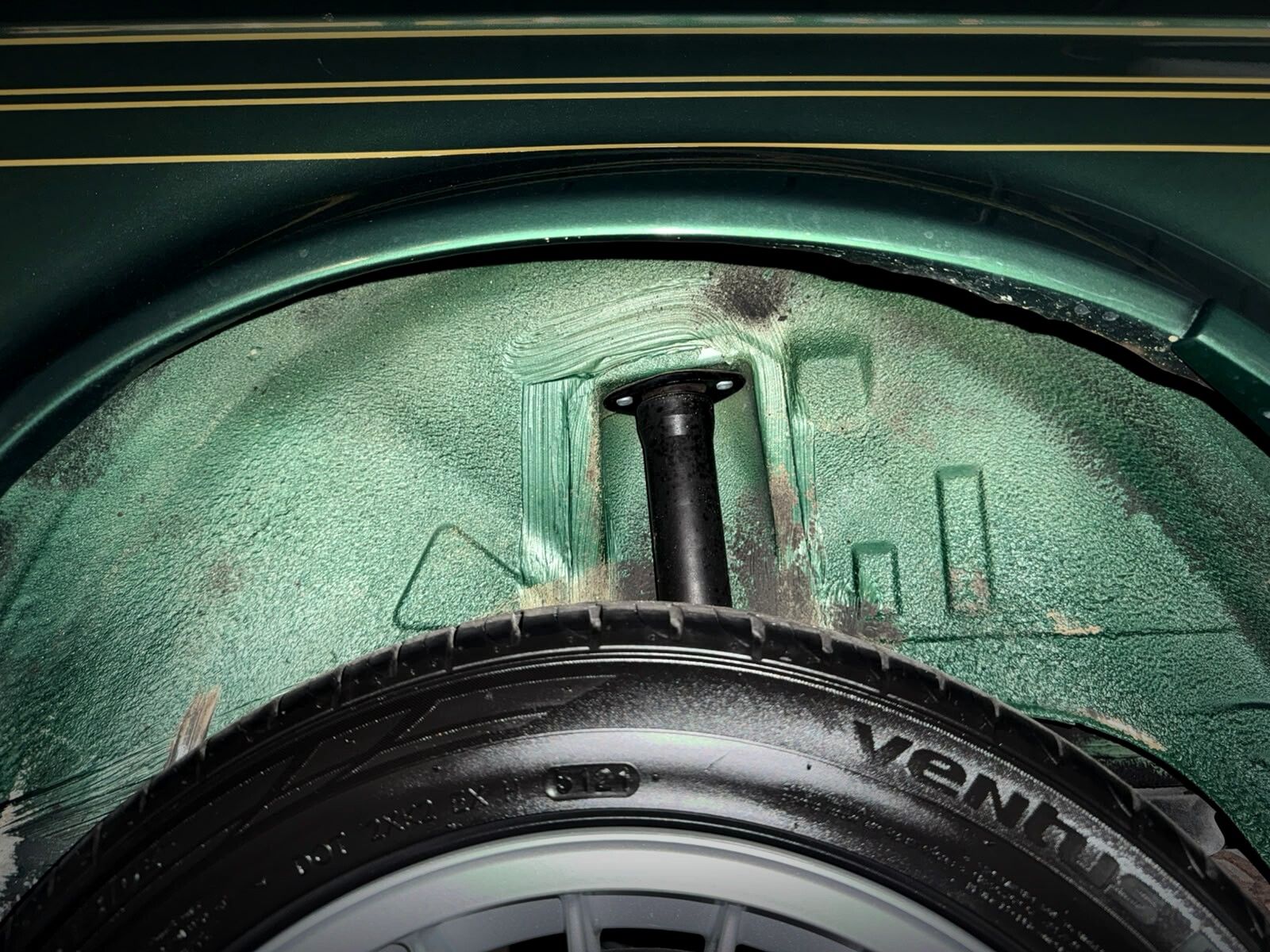
- Check the wheel arches, sills, jacking/lifting points, front and rear valances, lower front wing by the doors, lower windscreen edge in the corners, battery tray, floor pan and rear panel around the rear lights and towing eye.
- Inspect the inner rear wheel arches via the rear seat and trim. Watch for the sunroof drains: blocked hoses let the C-pillar and roof rust.
- Poorly repaired rust is often worse than visible rust, as it can conceal structural problems. Insist on seeing the underside, inner wings and sill ends. Structural bodywork can cost thousands of euros.
Interior and electrics
- Check the Alpina-specific details: instrumentation, steering wheel, sill plates and upholstery. Missing original parts are difficult and costly to replace.
- Test all electrics: window operation, heating, lighting and instruments. E30 electrics are straightforward, but age takes its toll.
- Check the condition of the seats and headlining; original Alpina fabric is scarce.
History and documentation
- With an Alpina, this is the single most important point. Verify the Alpina type plate, the chassis number (VIN) and the production documentation.
- Specific risks on the M30 platform are unrecorded engine rebuilds, an unknown timing belt history, deferred cooling maintenance and, above all, previous overheating.
- Cars that have passed through many owners often carry undisclosed modifications or accident damage. Insist on a service file and matching numbers.
- Check that the stated specification (with or without catalytic converter) matches the paperwork and the power output.
Which Alpina B6 3.5 (E30) suits you?
Which specification suits you depends on your purpose. Those who want driving, will choose the regular B6 3.5: the M30 six with 346 Nm makes it a comfortable, fast long-distance car with handbuilt Alpina charm. Those for whom collects and the sharpest driving behaviour, should look at the rarer B6 3.5S on the M3 base with dogleg sports gearbox — only 62 built, and priced accordingly.
De E30 Alpina's uit deze reeks zijn achterwielaangedreven met vijfbak; dit is bij uitstek een handbak-auto voor de liefhebber. Originele kleur, complete documentatie en een roestvrije carrosserie wegen bij elke keuze het zwaarst. Twijfelt u tussen rijden en verzamelen, of tussen een 3.5 en een 3.5S? HooG denkt vrijblijvend met u mee en helpt het exemplaar te vinden dat bij uw gebruik en budget past.
What does a Alpina B6 3.5 (E30) cost?
The European price picture in 2026 is broad, because condition and documentation make the difference with this rare Alpina. For reference: public auction data cite a median price of around £ 58,849 (roughly €68,000) for the E30 Alpina B6, with a lowest recorded sale of £ 25,920 and a highest of £ 158,695. The sell-through rate is around 92%, which indicates a healthy market.
Indicatief voor 2026: projecten en auto's met roest of onduidelijke historie beginnen rond €25,000–45,000. Nette, rijklare exemplaren met goede documentatie liggen grofweg tussen €50,000 en €90,000. Topexemplaren en zeldzame uitvoeringen (met name de M3-gebaseerde B6 3.5S) lopen flink hoger; een gerestaureerde S werd zelfs voor £ 185.000 aangeboden. Onze exemplaren, zoals een B6 3.5 in Alpina Grün Metallic aangeboden voor €134,950, positioneren zich aan de bovenkant op basis van staat, kleur en originaliteit.
Price-determining factors are: rust-free and original bodywork, complete Alpina documentation, matching numbers, a known history and original colour scheme.
Alpina B6 3.5 (E30) — traded by us and in the collection
Questions about the Alpina B6 3.5 (E30)
Alpina B6 3.5 (E30) wanted? We find it — often before it goes online.
The best examples change hands before they are ever advertised. With a search request we search for you in our own collection and in our network of marque specialists and private collections in 23+ countries. Free and without obligation.
Your search request has been received
We will be in touch within one working day about your wishes and an honest market overview. Then we start searching — and only come back to you with examples that are right.

