
Datsun 240Z
Save this Datsun
With a free account you can keep an eye on it:
- notification of a price change or sale
- pre-market: see new cars before anyone else
- bid in the live auctions
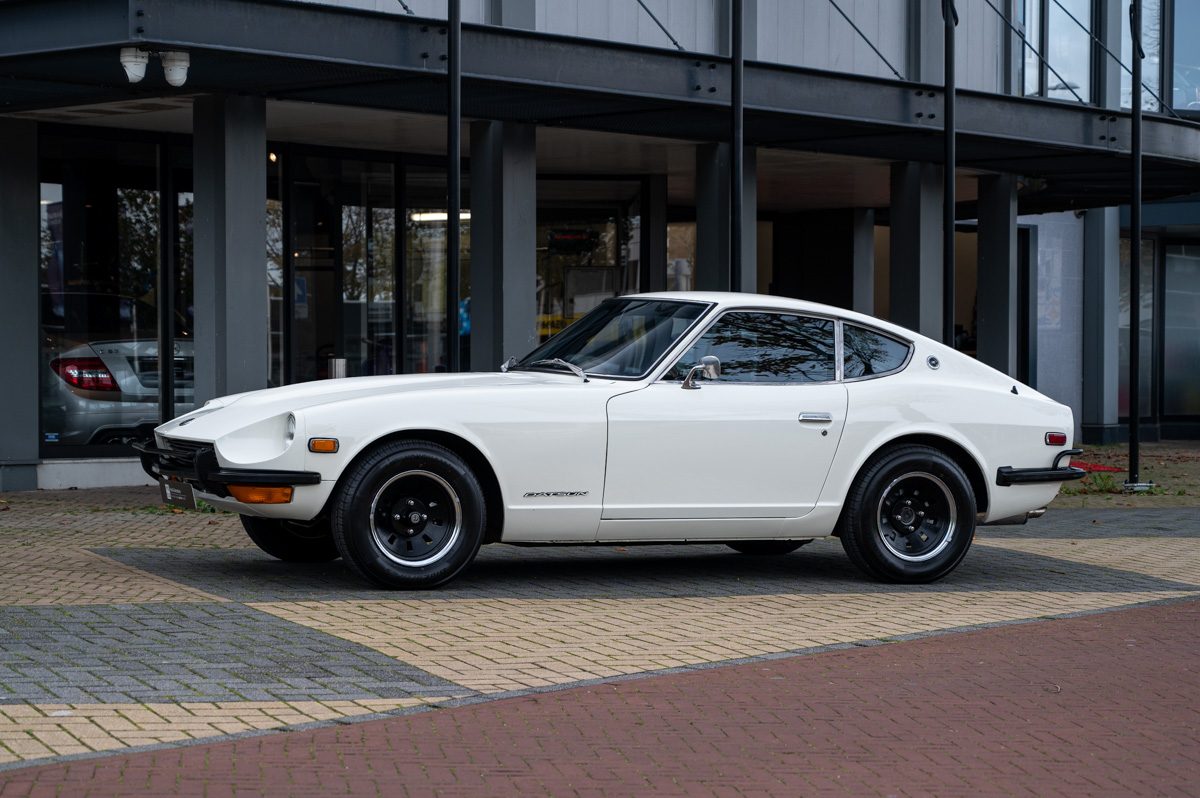


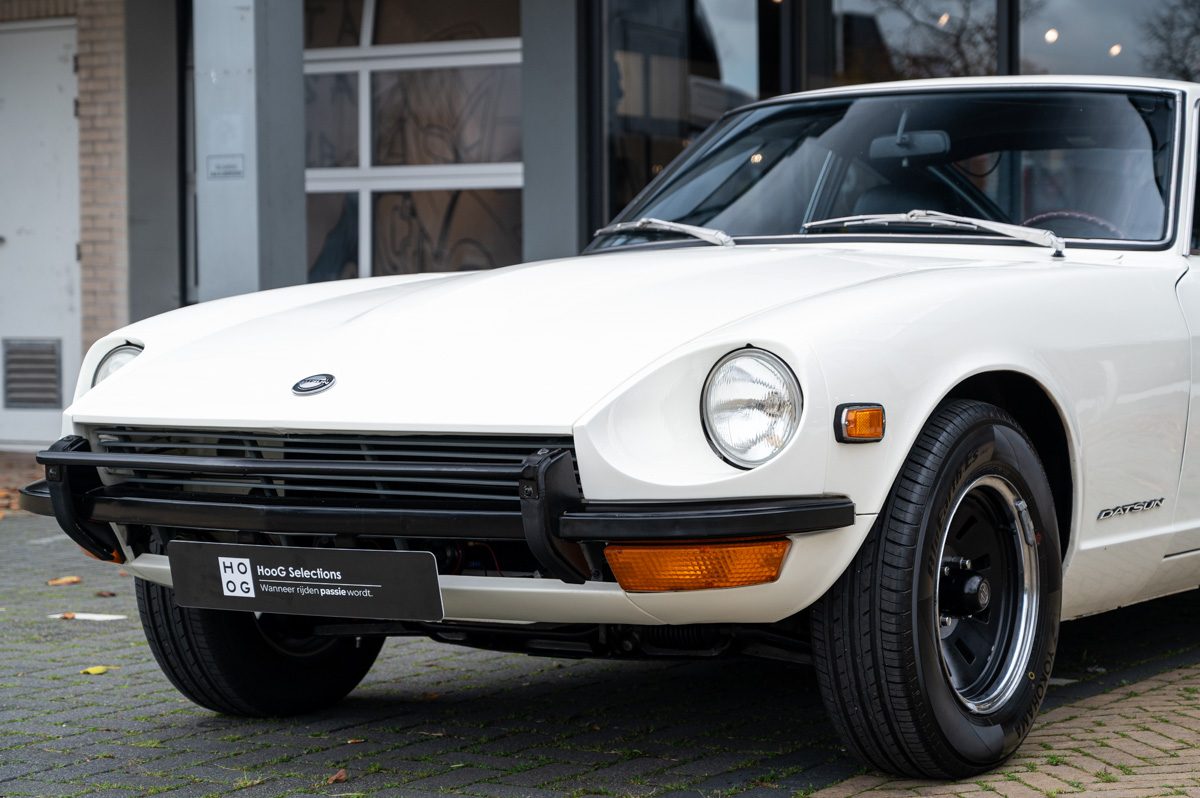
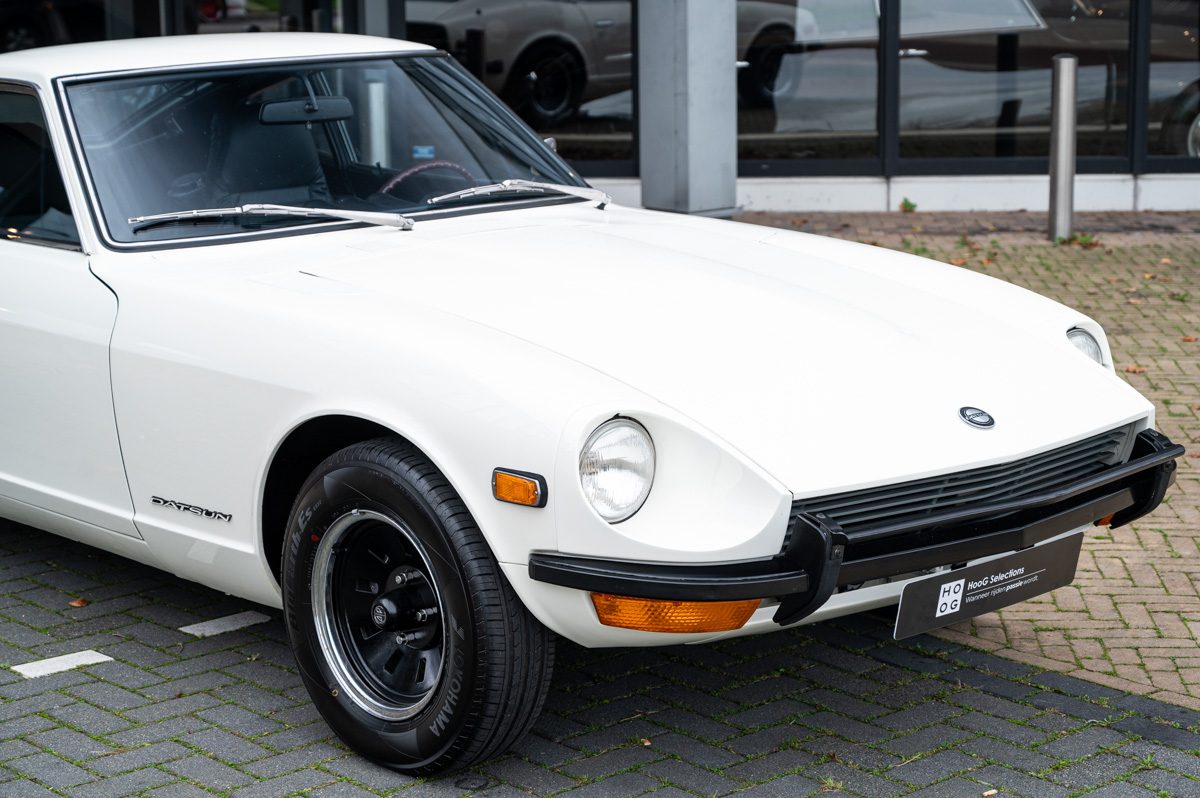
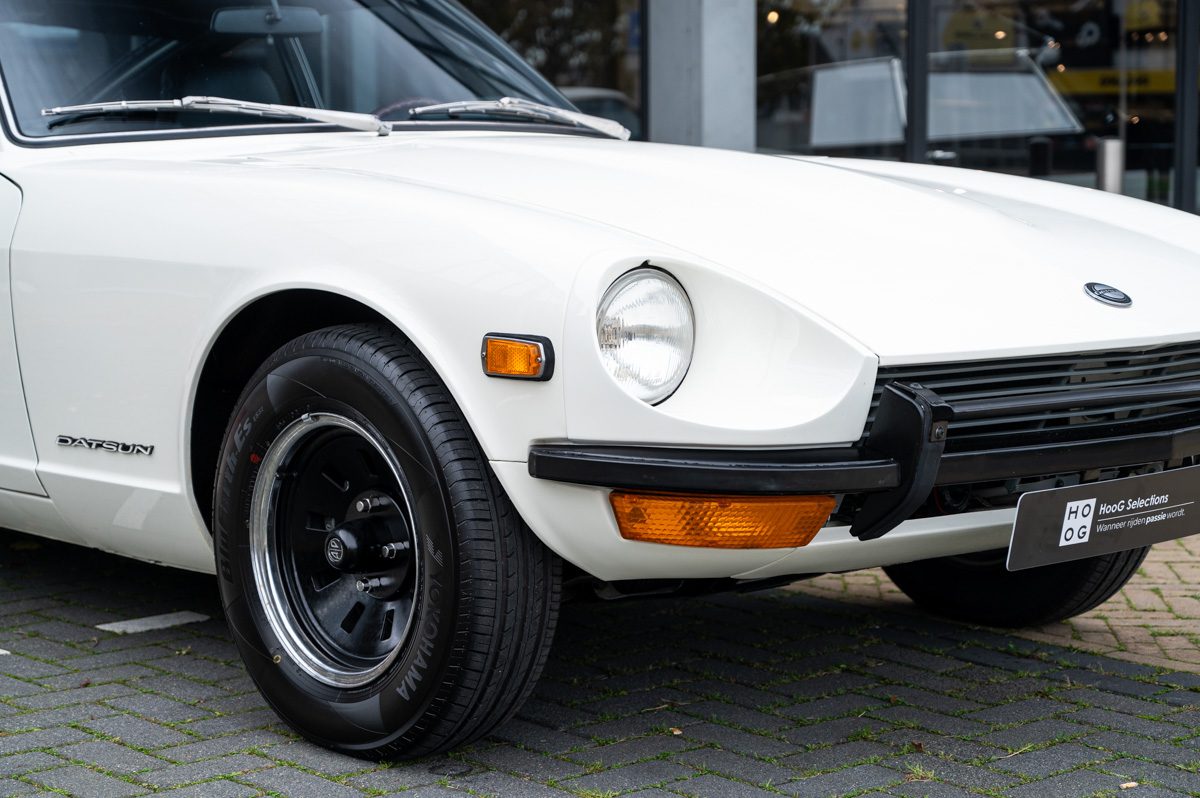







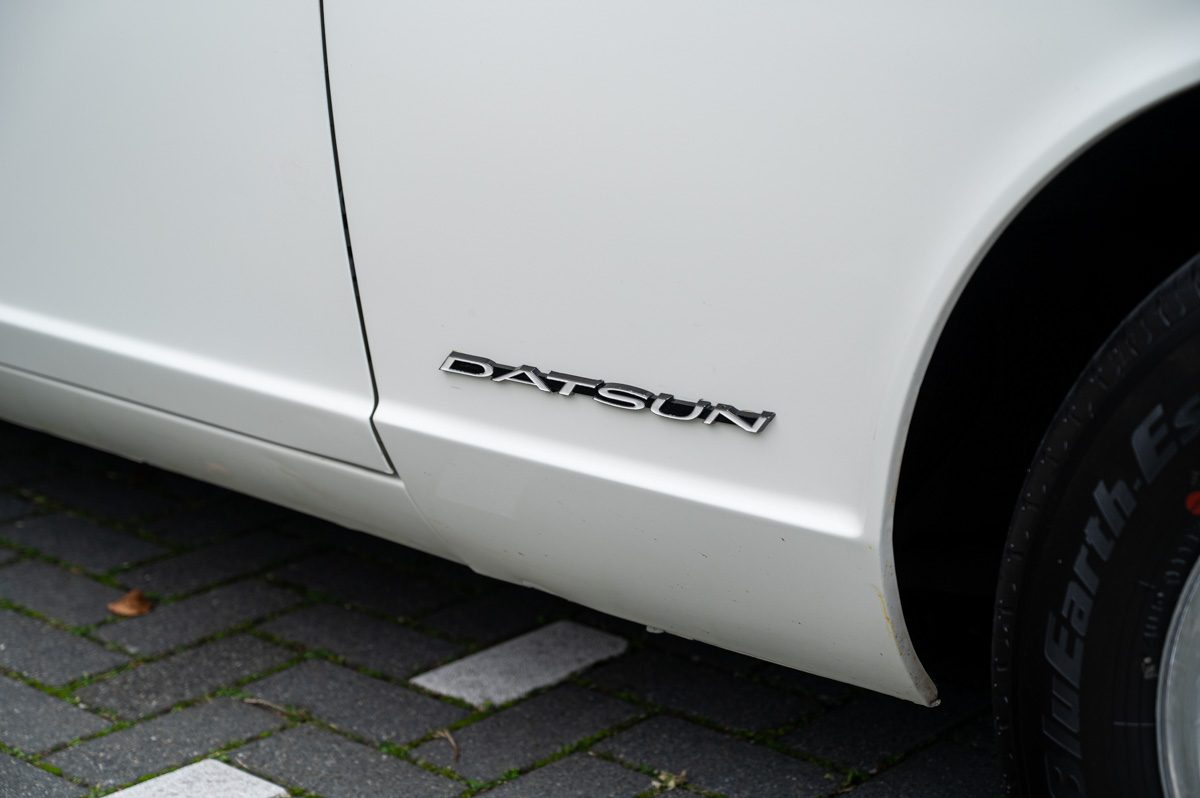


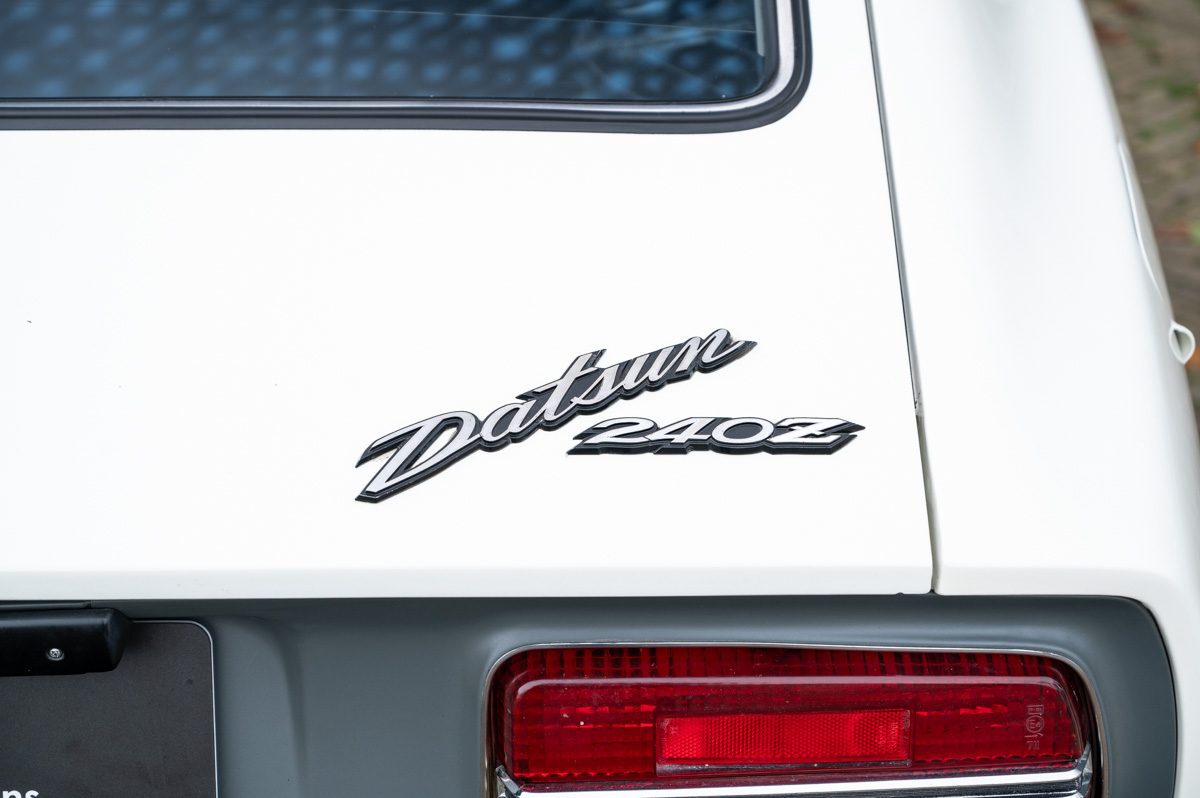


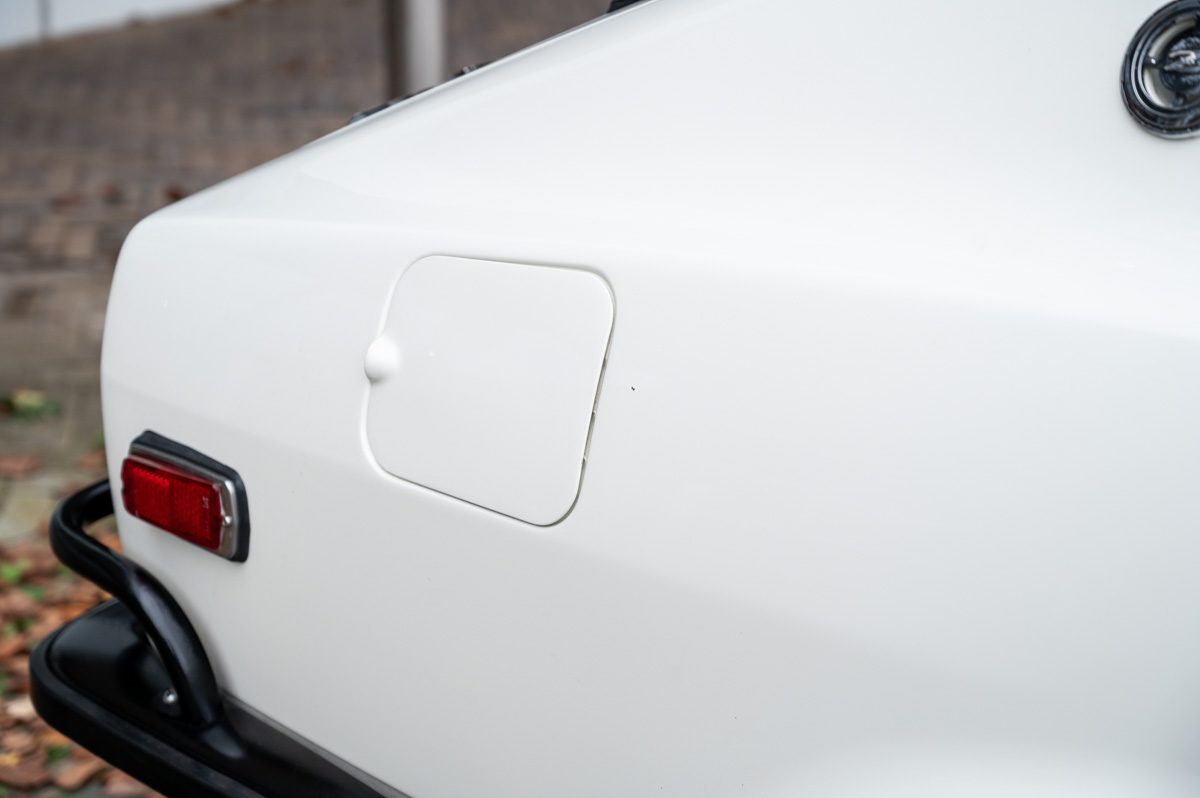
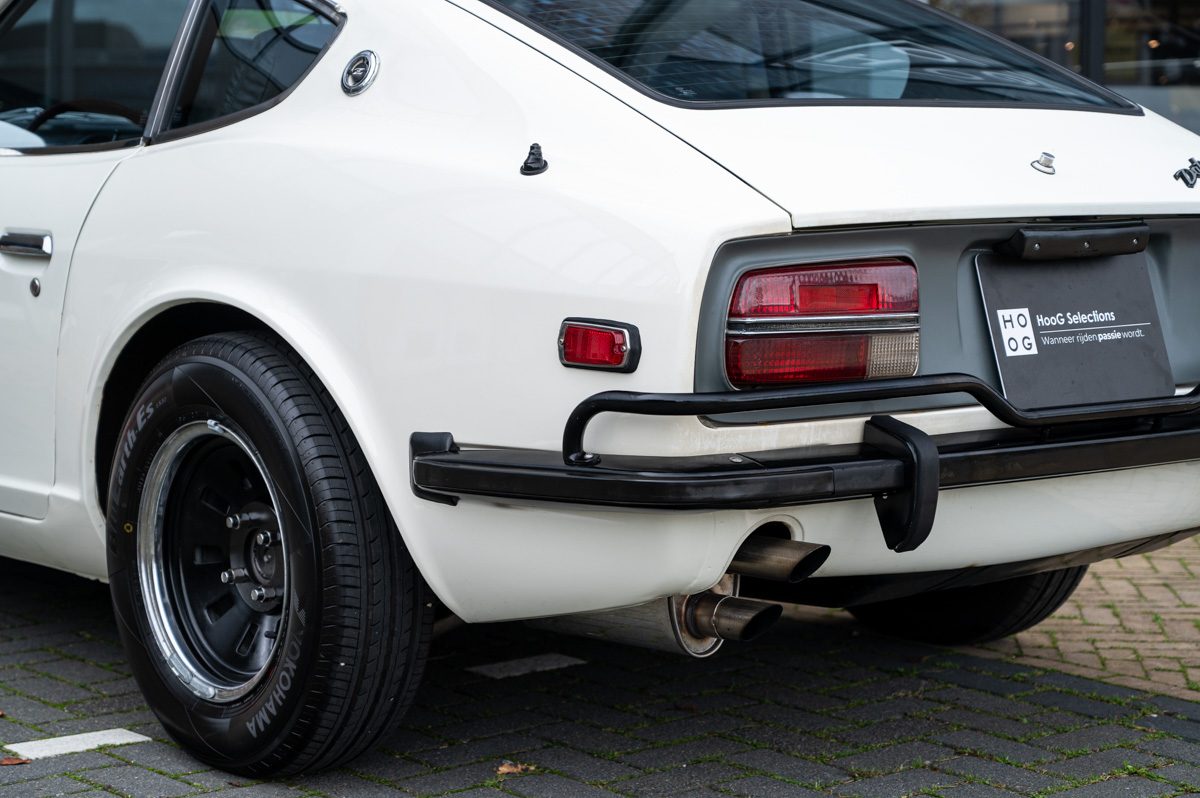


















Nissan spent years pretending it had no idea what it was sitting on. Then, in 1969, sports cars suddenly rolled into the showroom that looked as though they had been penned by an Italian, yet had the reliability of a Japanese wristwatch. A long bonnet, two seats, a straight-six with twin carburettors, and a price tag that nearly made rivals in Stuttgart and Modena choke on their espresso. The Datsun 240Z. The East politely asking whether Europe might kindly step aside.
And it worked. This was no imitation of an E-Type or a 911, this was simply its own idea that happened to get everything right. The lines by Yoshihiko Matsuo, the six-cylinder from the L-series, the weight that was never excessive anywhere. America fell head over heels, Europe panicked, and the Z became the best-selling sports car of its era. Not because it shouted, but because it simply made sense.
Clarkson would tell you that you are not a real car enthusiast until you have owned an Alfa. I reckon you should keep a spot open for the 240Z too. Because anyone who has ever sat behind that long nose, with that straight-six building up to a sound that calls to mind a European grand tourer rather than anything Japanese, understands exactly why this car now fetches sums it would never have dared dream of back then. A clever alternative at the time, now a car that collectors are elbowing each other aside to reach.
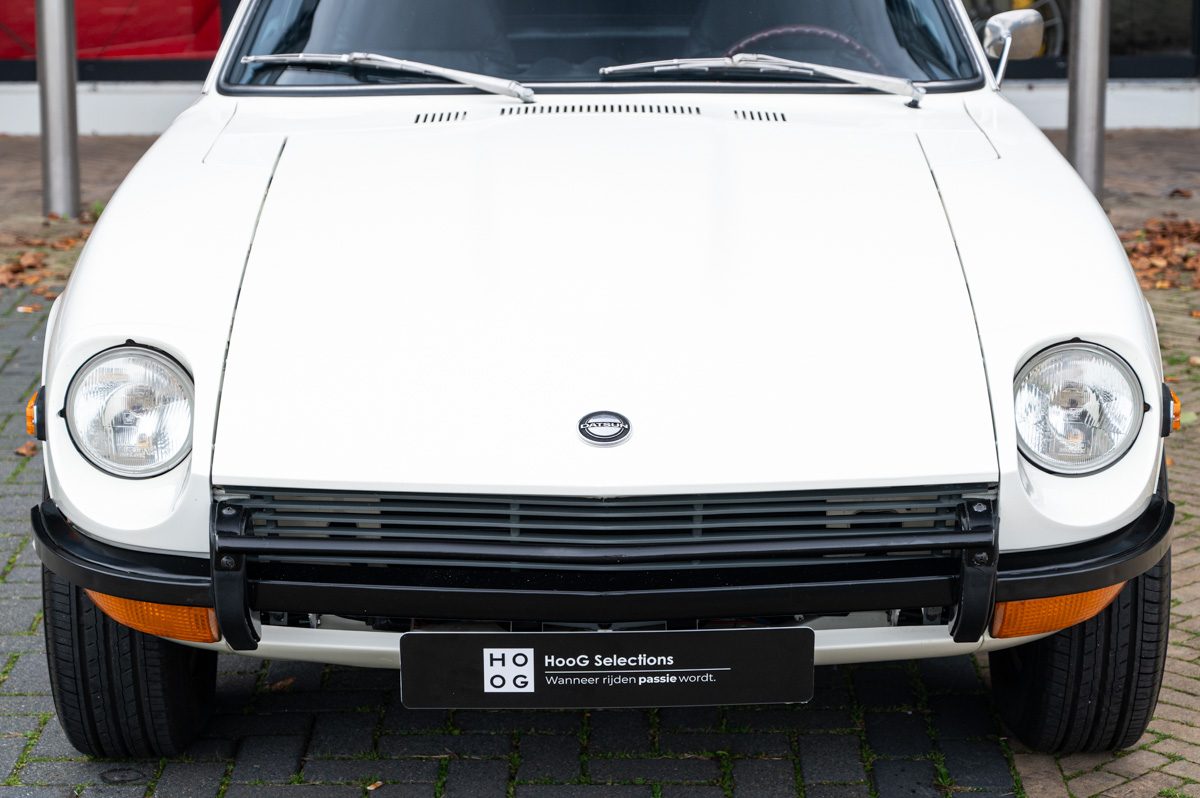
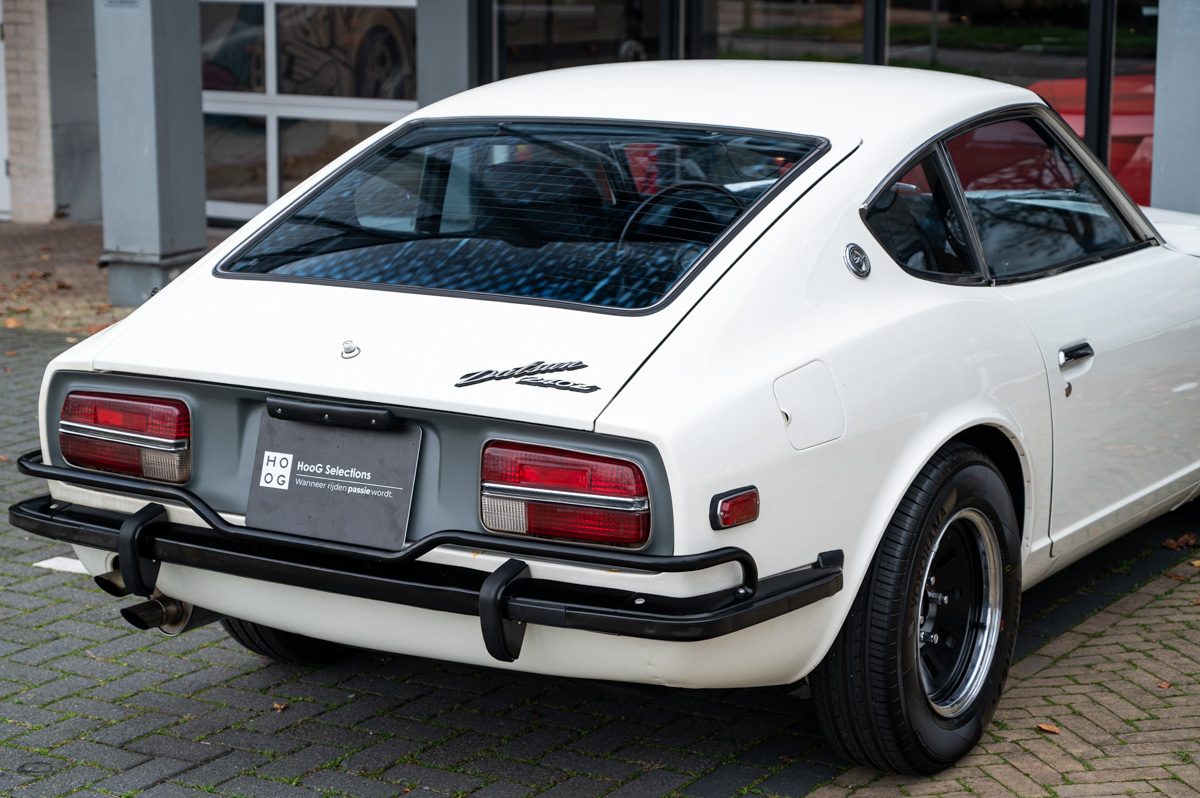
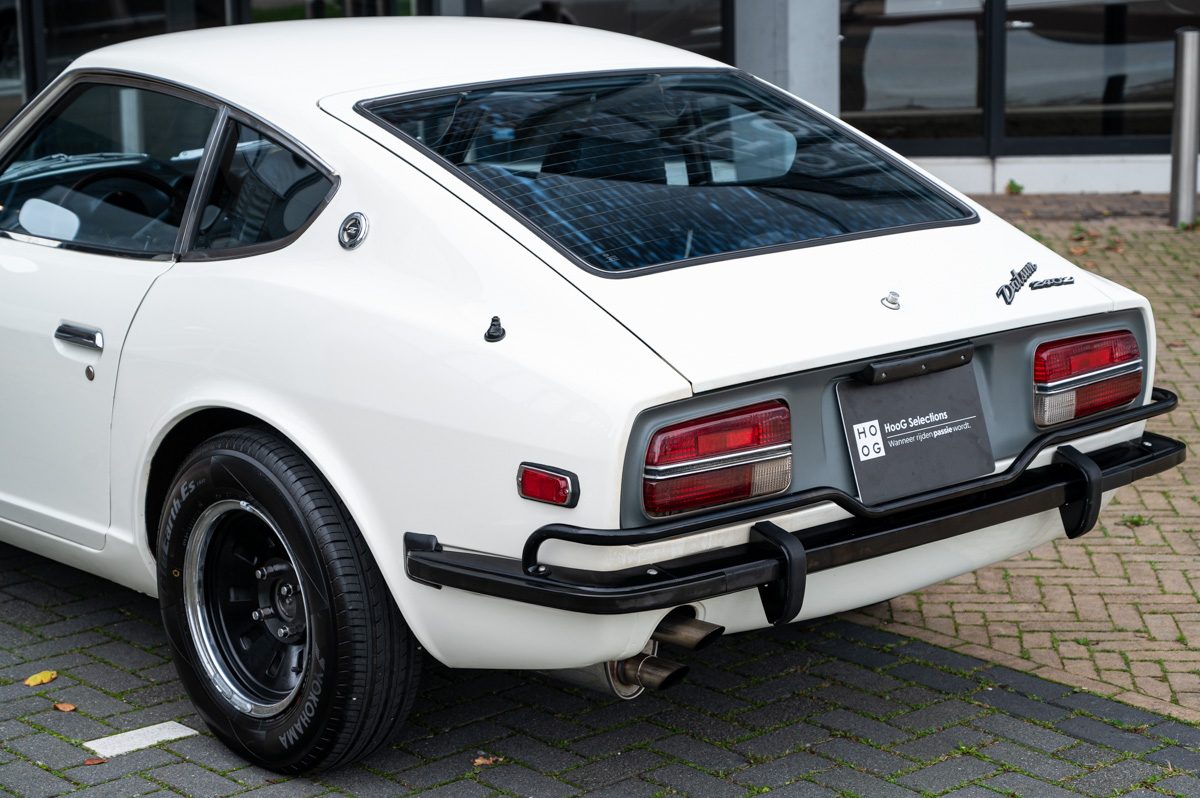
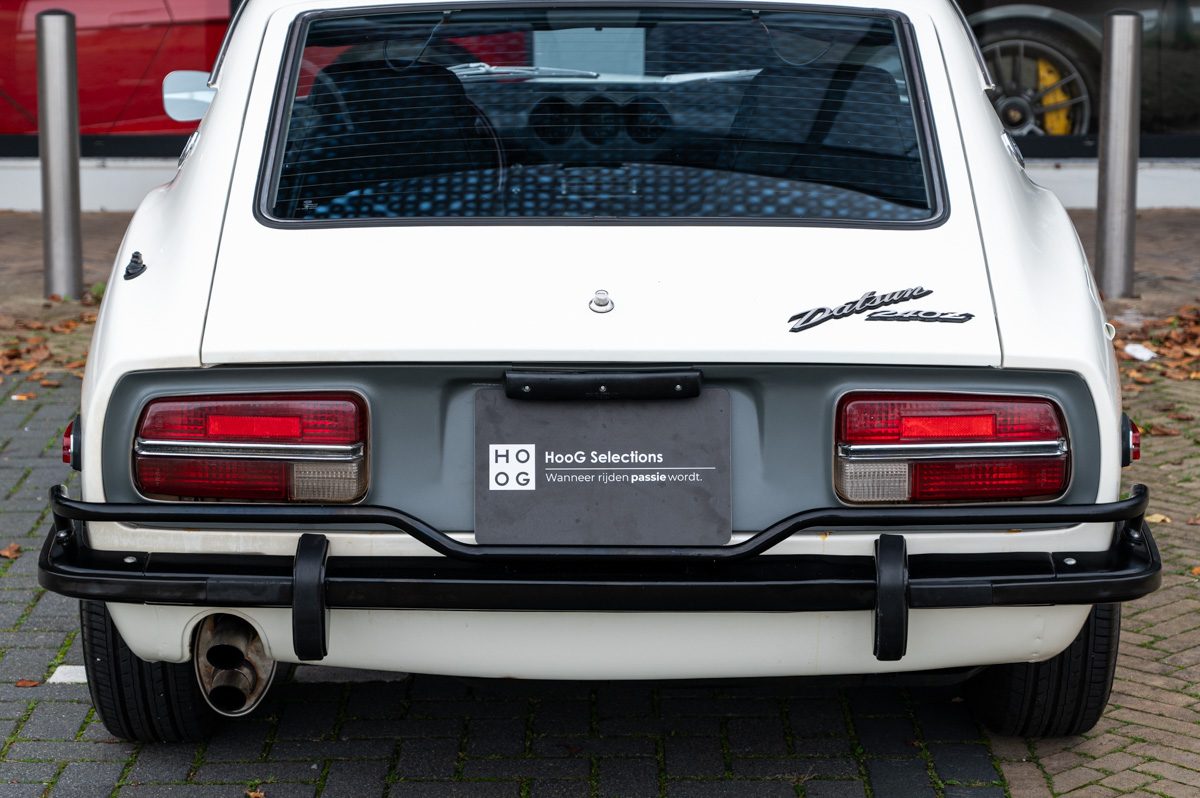
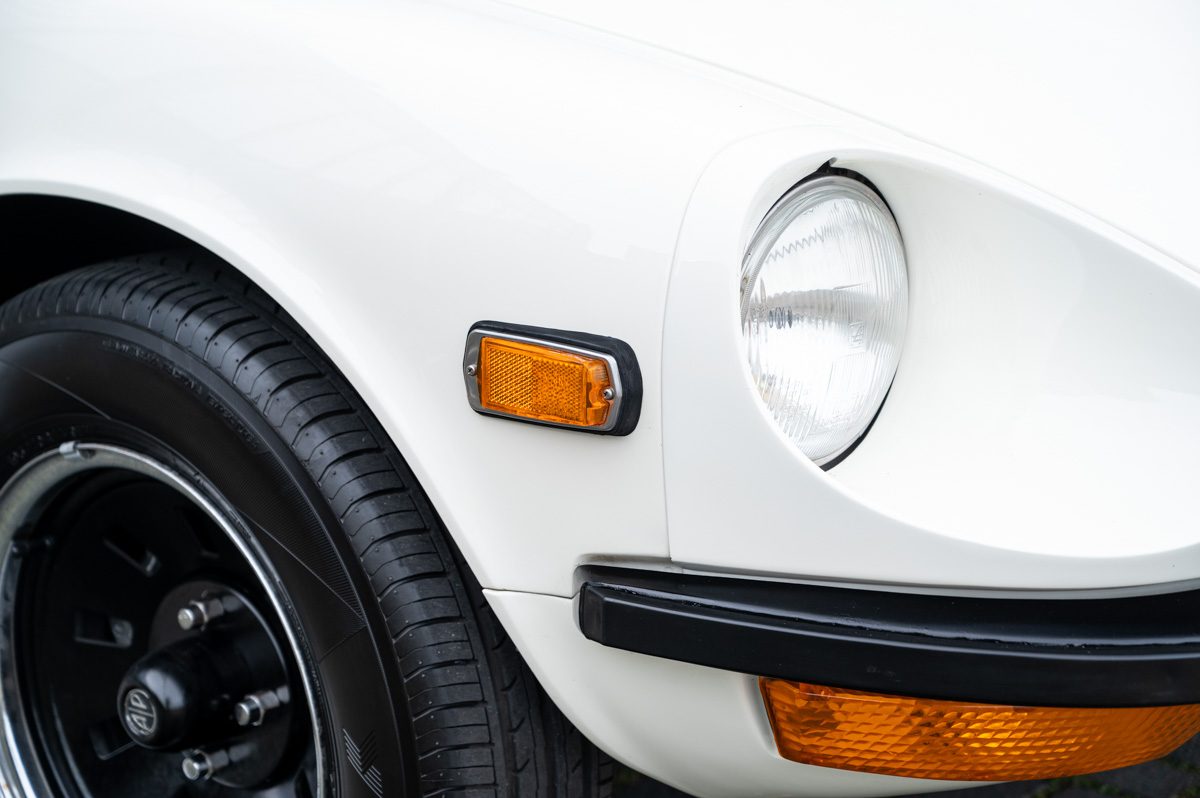
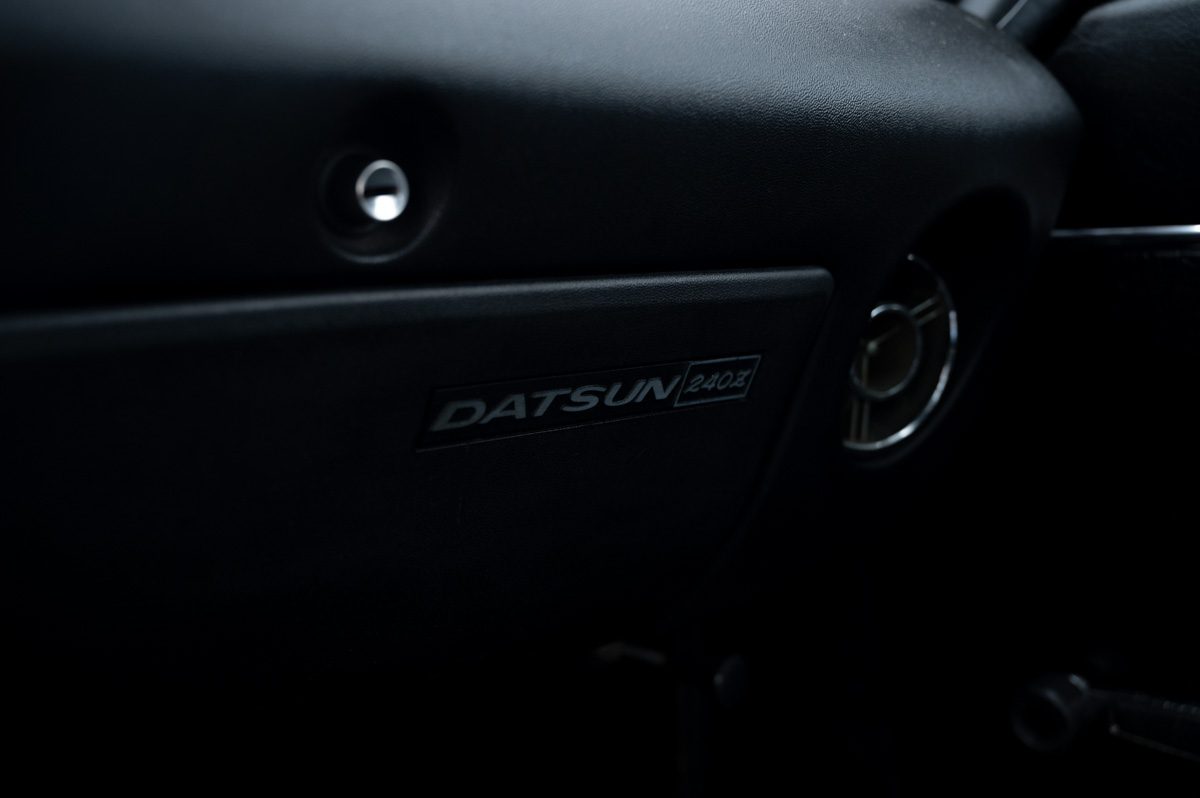
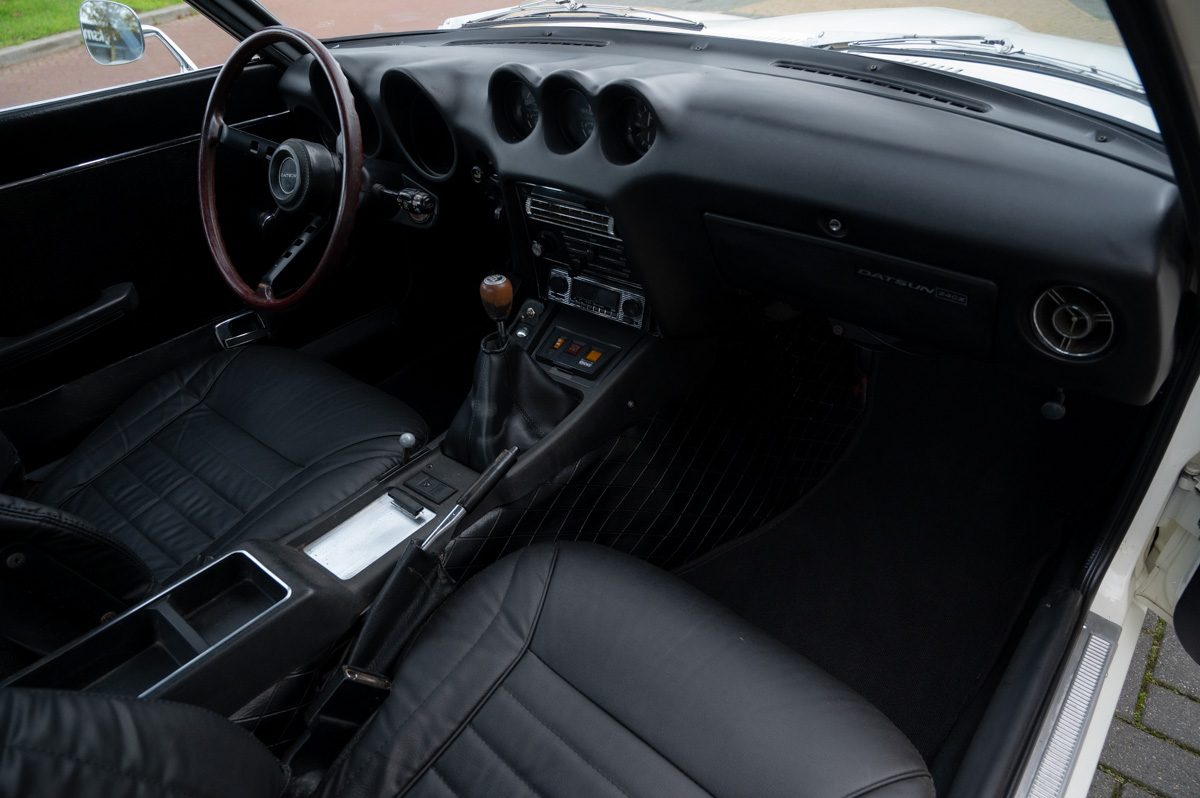
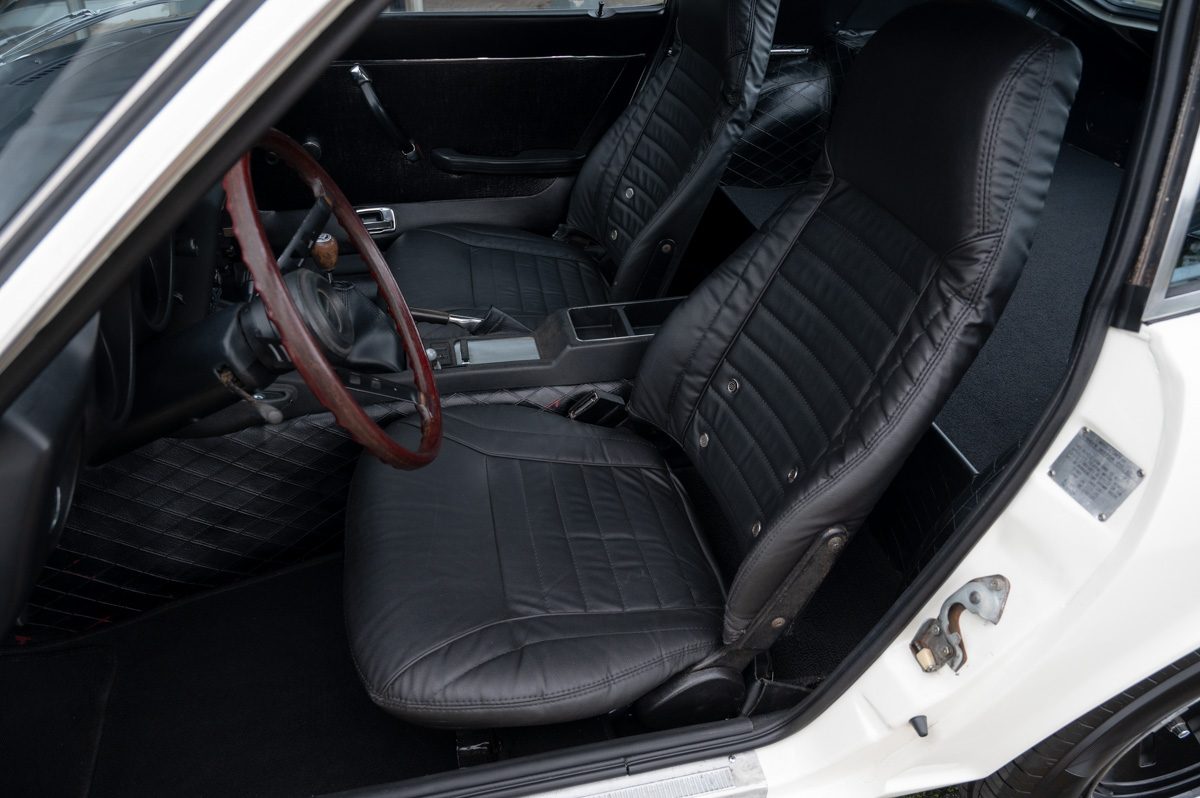
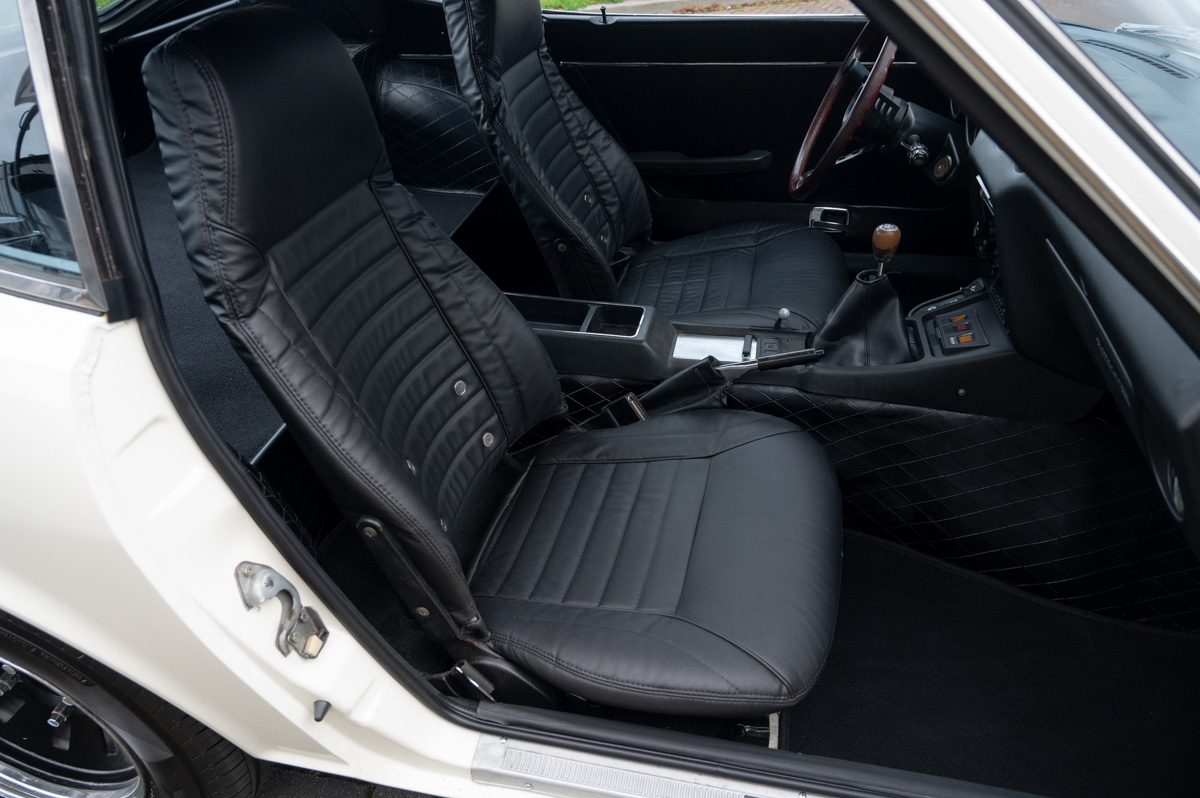
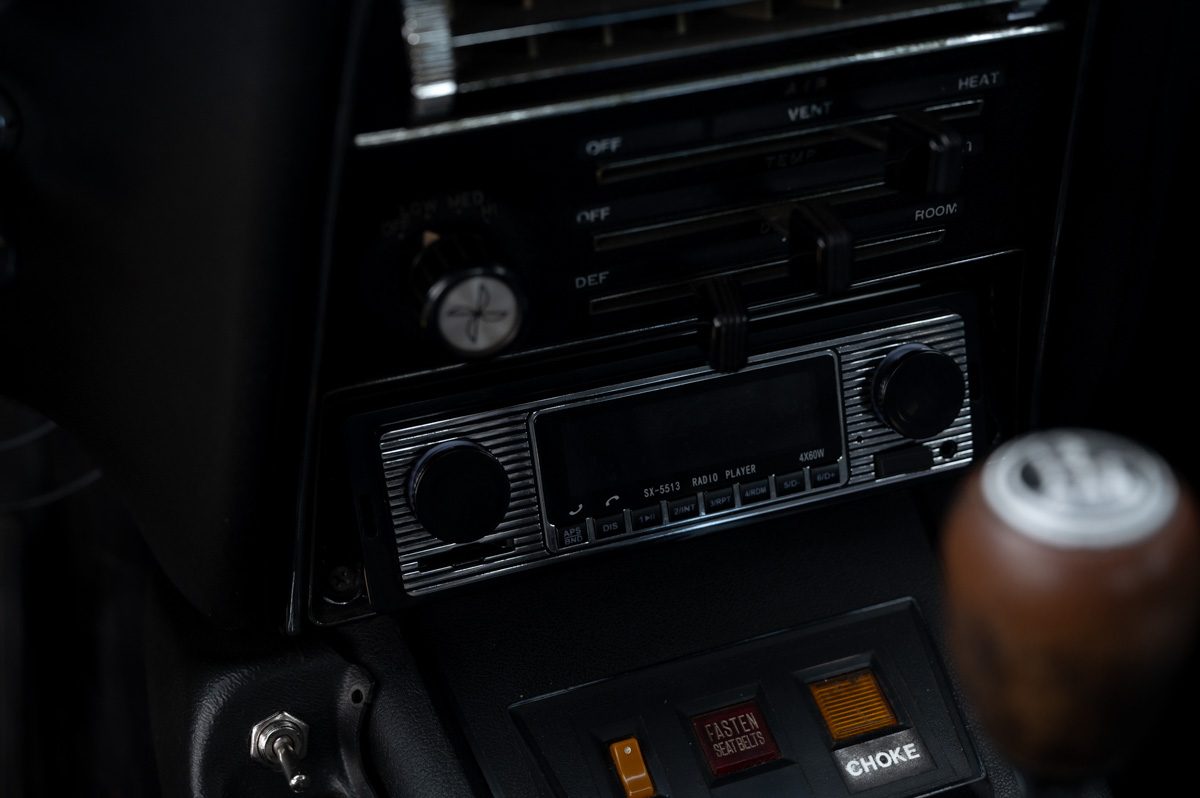
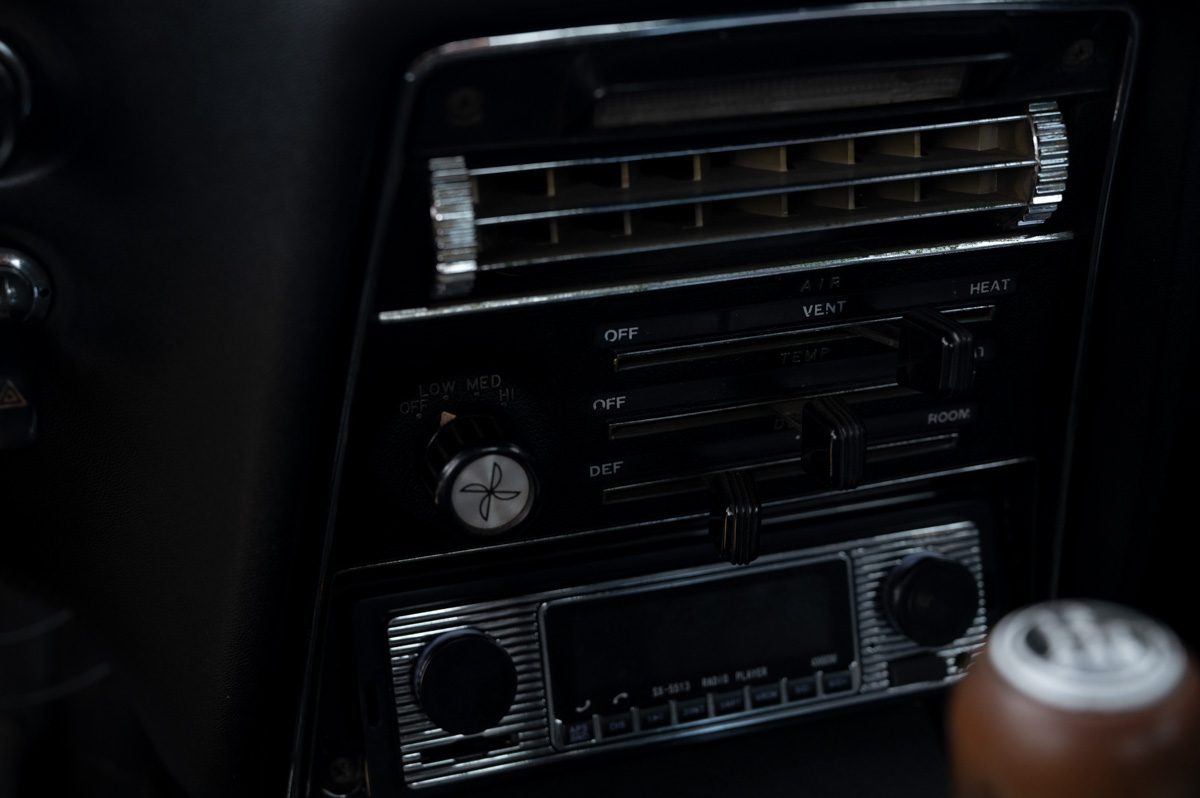
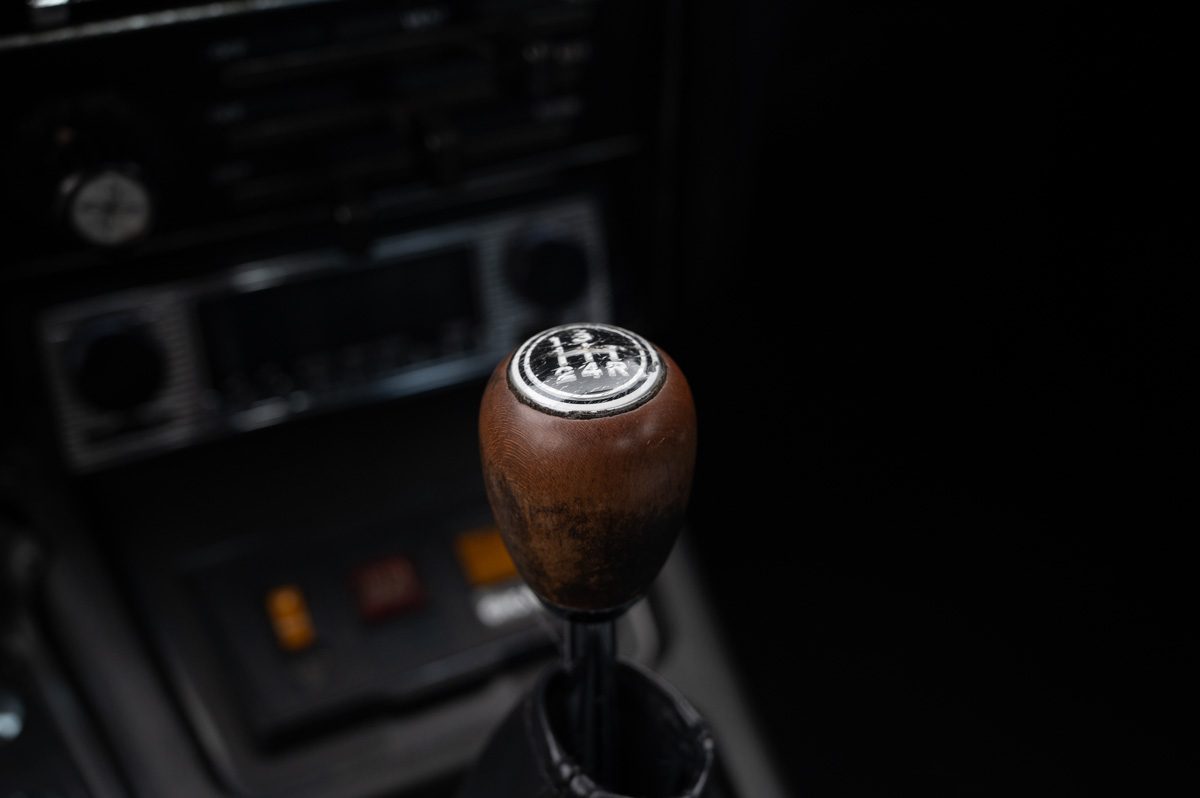
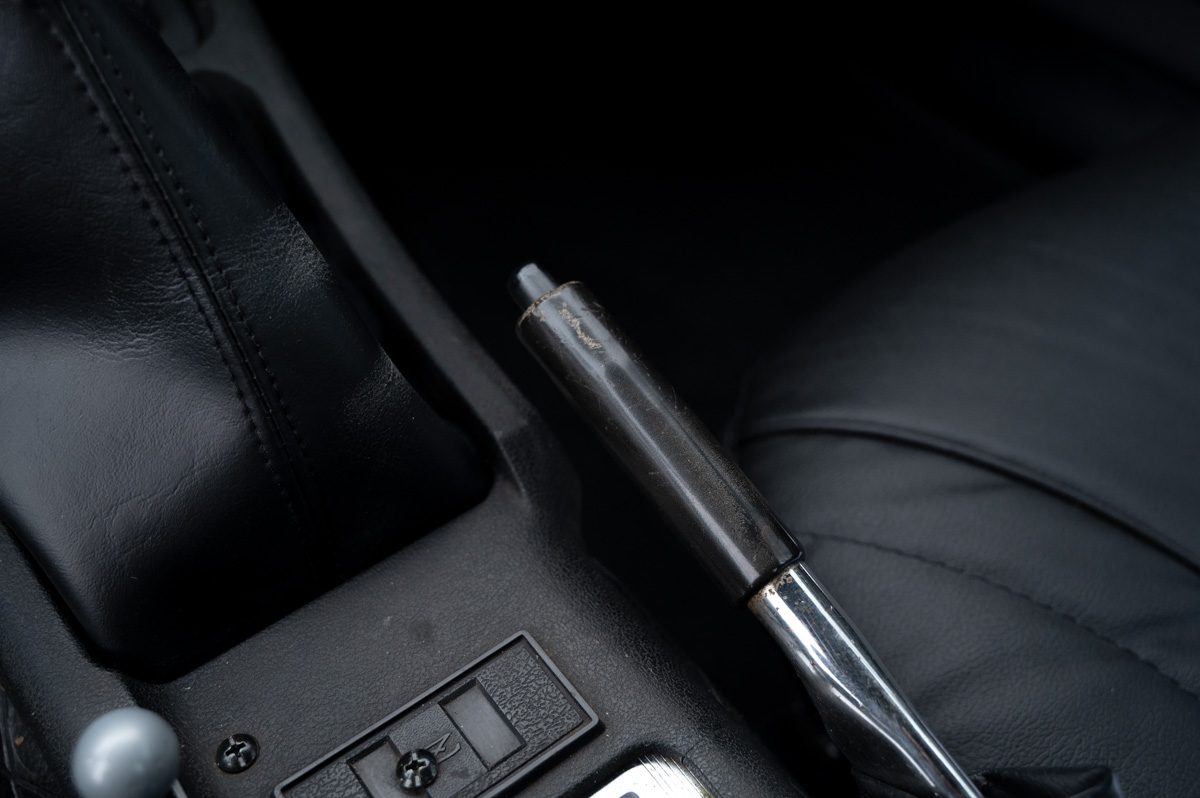
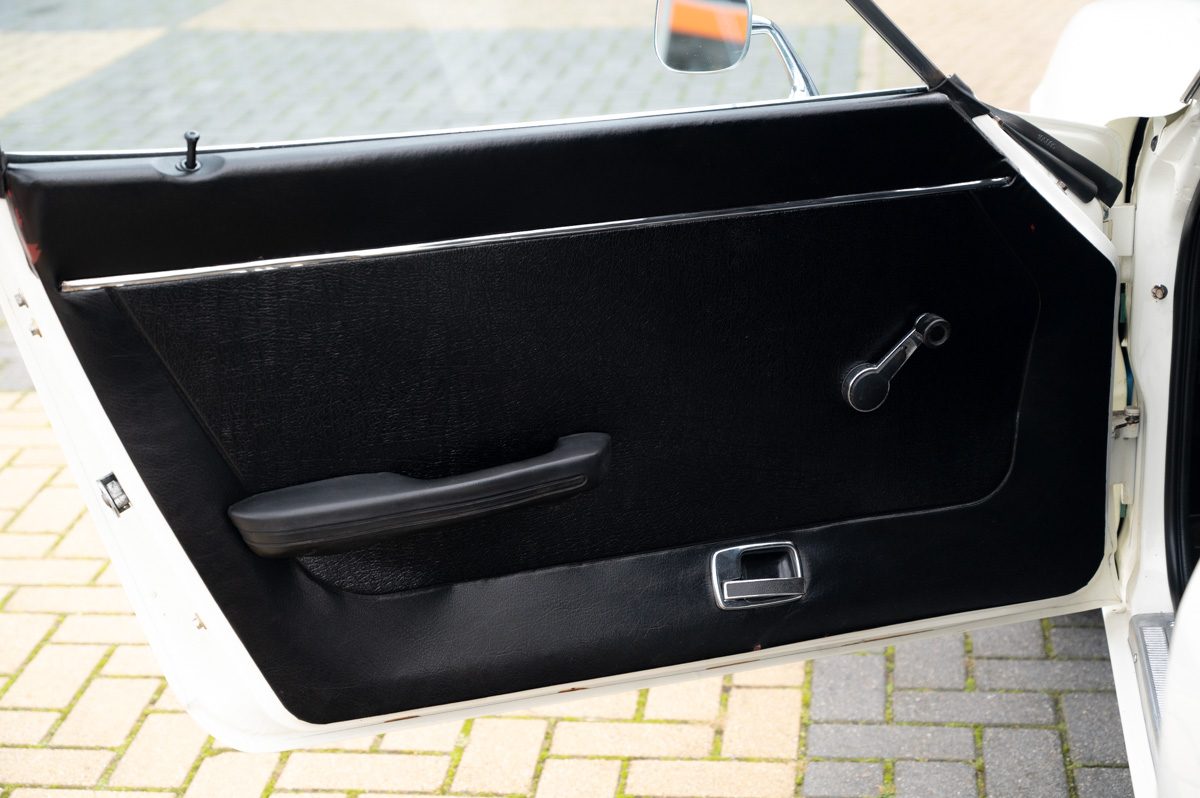
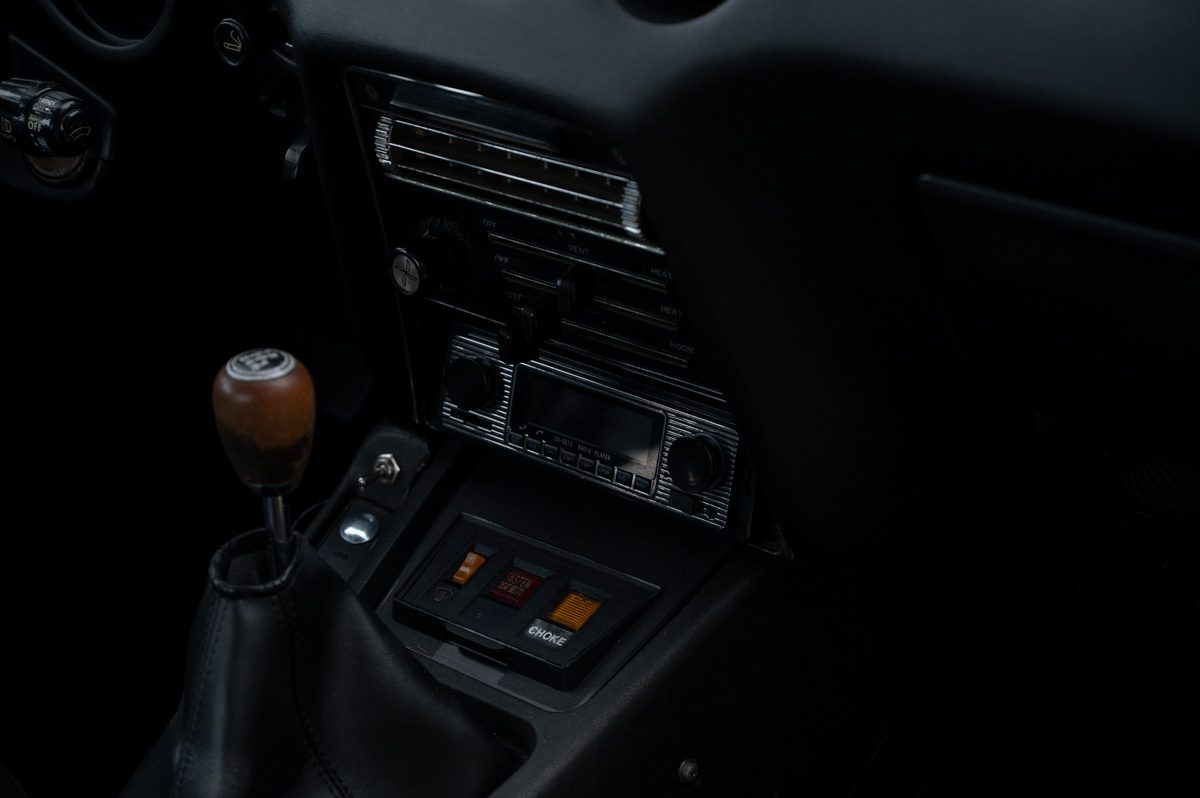
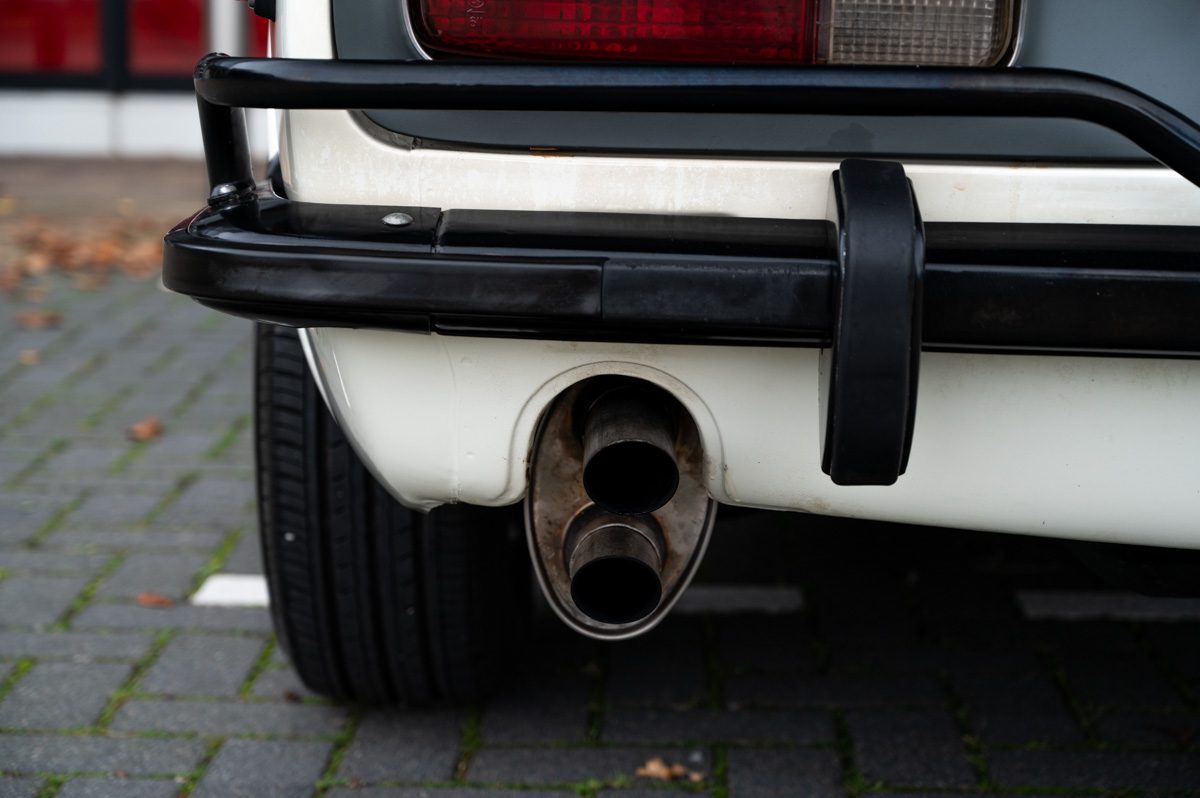
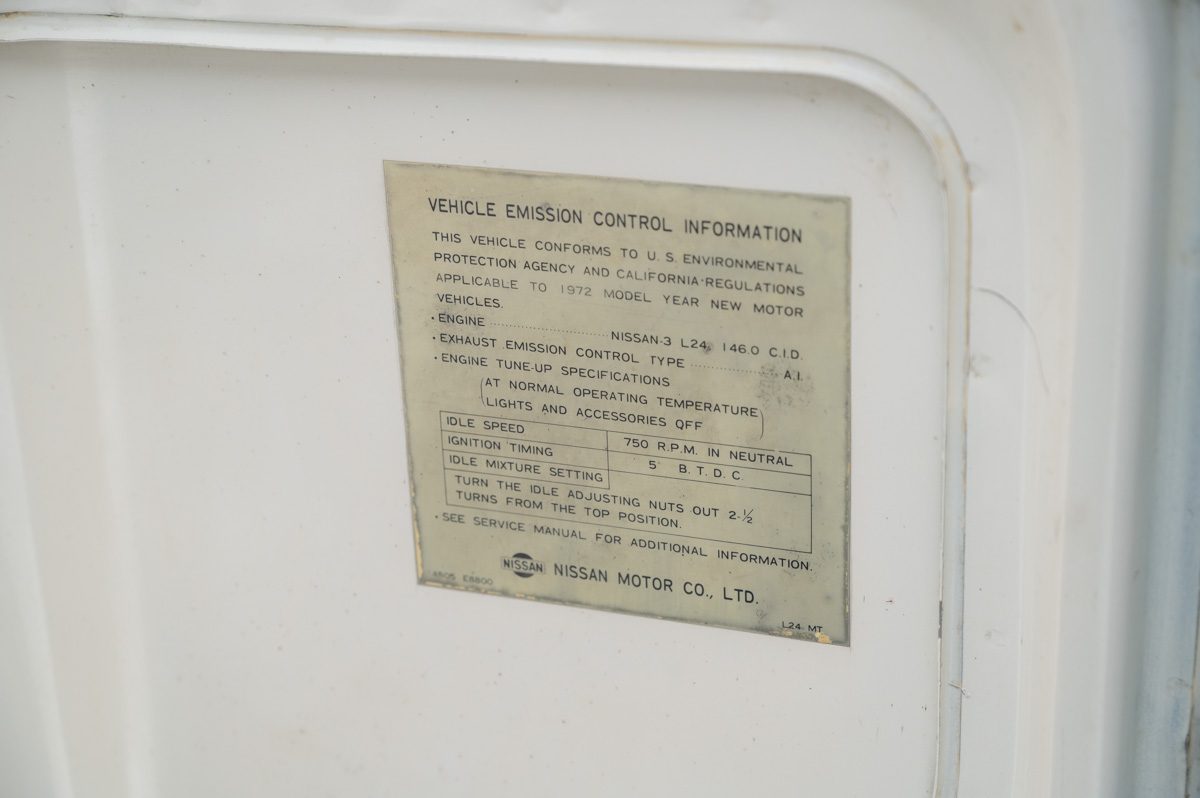
Right, back to the 240Z standing here. A 1972 example, finished in white, with the correct straight-six producing 152 bhp and, thank heavens, a proper manual gearbox. Two seats, leather upholstery, and for the rest the purity that makes this car so beloved: no screens, no gimmicks, just you, the road and that long nose peering out ahead.
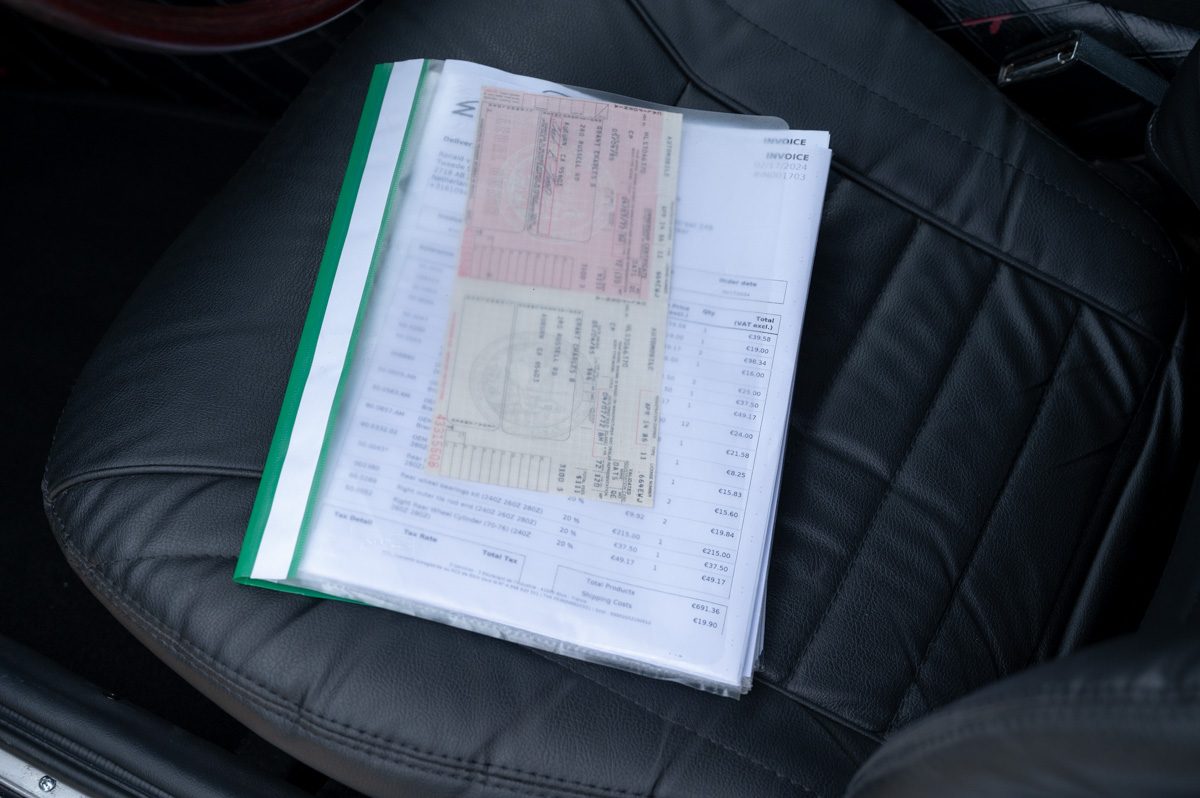
What makes this Z so special is the paperwork behind it. This is not a car that mouldered away in some barn and was given a quick polish before the sale. It has been worked on seriously and with purpose, using parts from Z-Services in France, the specialist where the genuine Z drivers order their kit. And we are not talking about a set of spark plug leads and job done.
Brake shoes, brake cylinders, a new brake servo, calipers, wheel bearings front and rear, ball joints, tie rod ends, engine mounts, a gearbox mount from Nissan itself. The sort of work nobody sees but that you feel in every corner and at every stop.
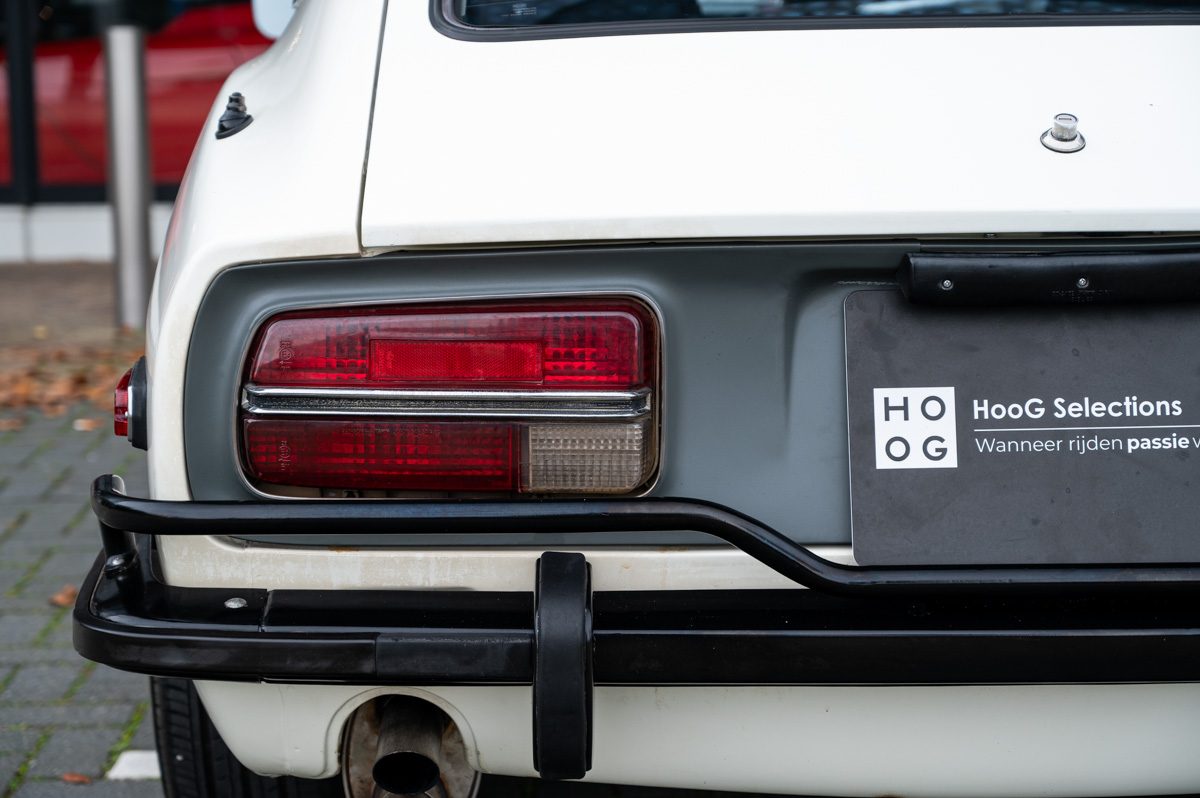
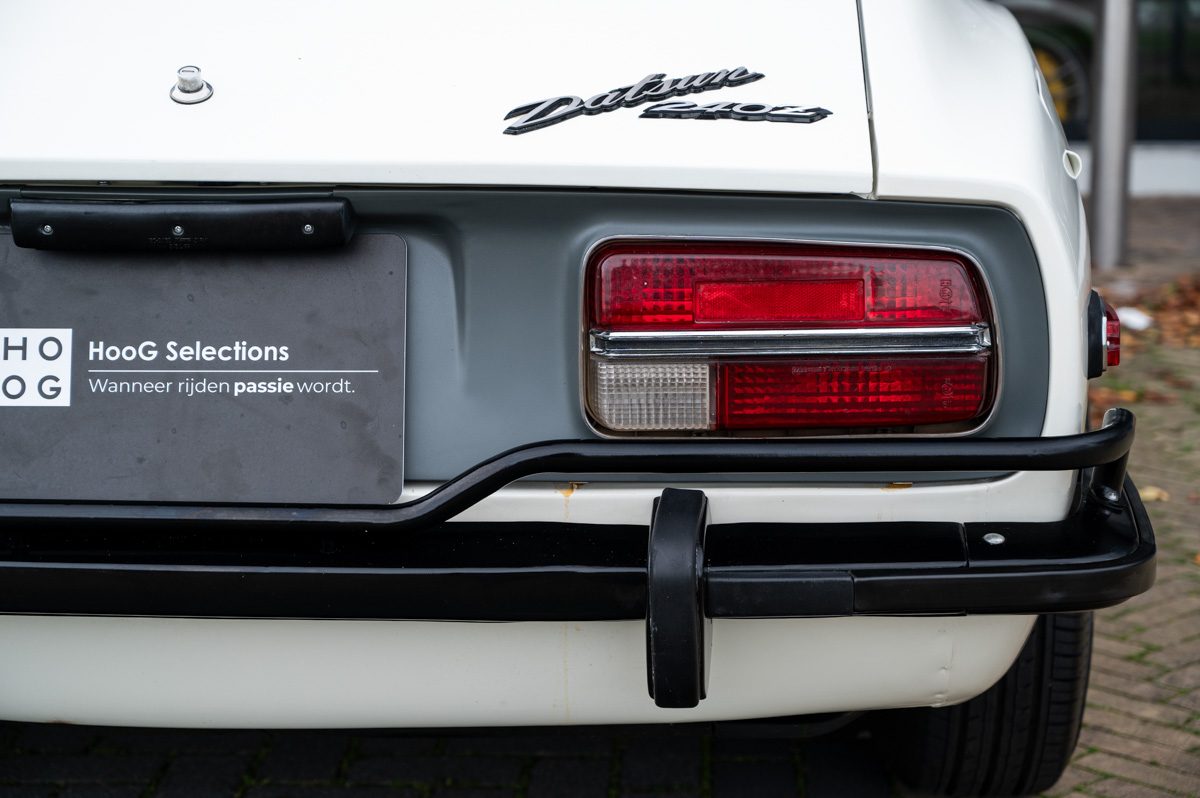
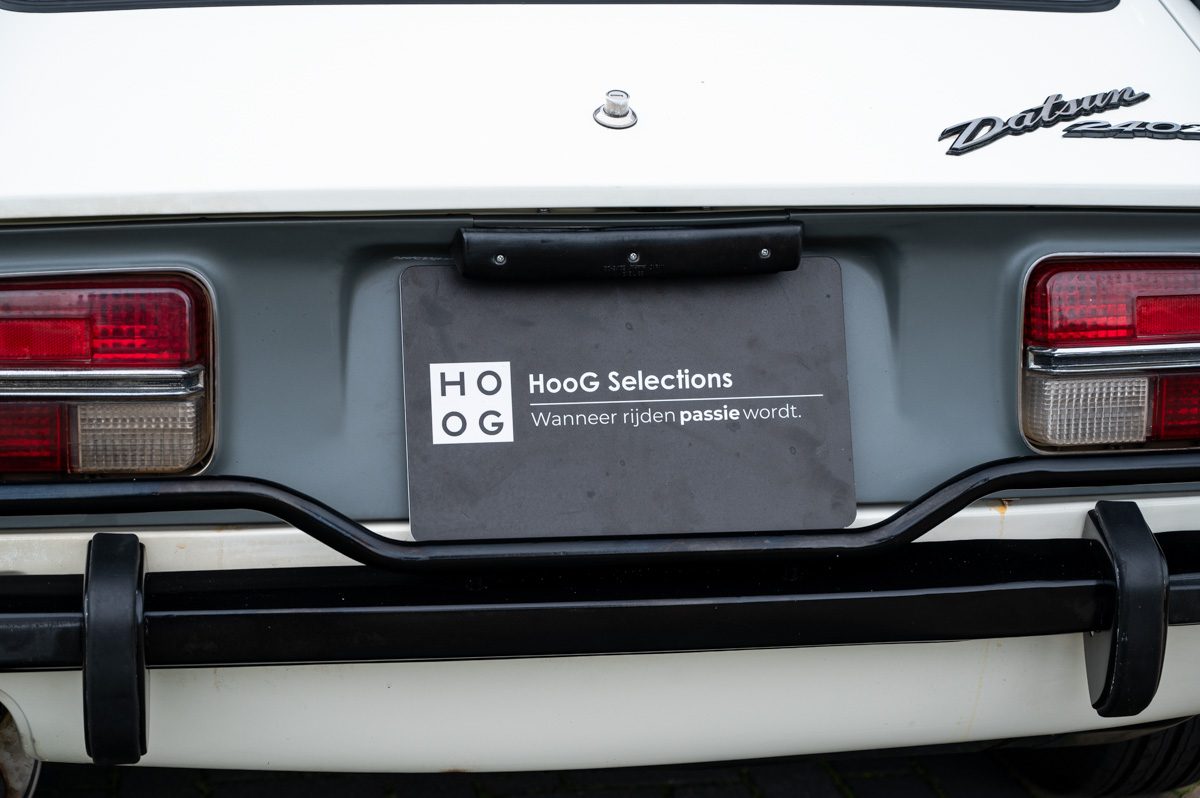
And it does not end with the mechanicals. The rubbers and the finishing have been attended to in exacting detail: bumper rubbers front and rear, door seals, tail light gaskets, the black vinyl gear lever gaiter, an air intake duct set, a battery tray with mounting kit, NGK spark plug leads in that familiar blue, the dashboard and instrument lighting, and even the side cover set for the seat adjustment mechanism.
This is the kind of parts list that quietly leaves an enthusiast lost for words, because you know exactly what it costs and how much patience it takes to track it all down and get it fitted.
The H4 headlamps with sidelights, meanwhile, ensure that you can actually see something after dark beyond the little filaments this car had to make do with from the factory. A small modern concession, but one you will be grateful for on a dark mountain pass.
Granted, by today's standards it is not blisteringly quick, and certainly not comfortable in the sense of insulation and silence. But that is precisely the point. This is real driving as it was meant to be: windows down, third gear, the six only truly finding its voice high up the rev range, and that sense that you are taking part in the traffic rather than being shunted through it. A car with enormous feel-good factor, where people on the seafront cannot tell whether they are looking at an early Japanese car or an Italian in disguise.
I need not explain to any enthusiast that the 240Z is now a celebrated collector's piece. The good examples are growing scarcer, prices have been moving in one direction only for years, and a car worked on this thoroughly does not come along every week. This is one you buy to drive and to keep, not to park away in a corner.
Wring it out, and you will understand at once why Stuttgart held its breath back in 1969.
Standout features
- Datsun 240Z from 1972, the classic that shook up the sports car world
- Pure straight-six, 152 bhp, gloriously manual
- Finished in white, crisp two-seat coupé
- Leather upholstery and a pure interior
- Extensively restored with parts from Z-Services (France)
- Completely renewed braking system: brake servo, caliper, cylinders and shoes
- New wheel bearings front and rear, ball joints and tie rod ends
- Nissan OEM manual gearbox mount and engine mounts
- New body rubbers, tail light gaskets and finishing details
- No cost or effort spared on the restoration
- Fast-rising collector's piece with climbing value


Full insight into the papers our assessment is built on. Carfax vehicle history, service documentation and paint thickness report — page by page.
Browse by swiping, the arrow buttons or the arrow keys. Home and End go to the first and last page. Double-tap or pinch to zoom. Escape closes.